
Ai Content Generator
Ai Picture
Tell Your Story


 BIT Mesra - (BIT Mesra)
The Role of Structural Engineering in Disaster-Resilient Infrastructure
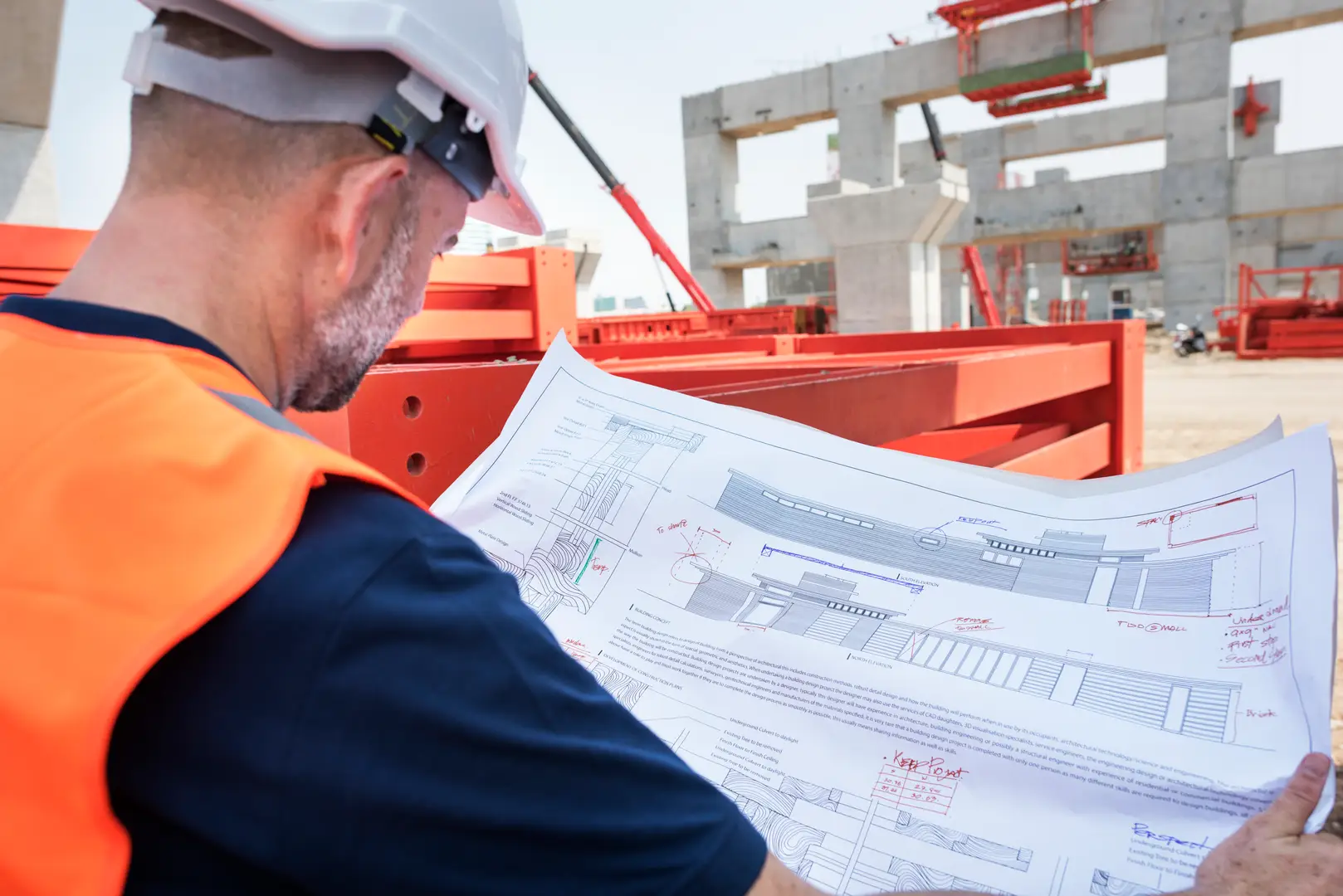
In an era of increasing natural disasters, the need for disaster-resilient infrastructure has become more critical than ever. Structural engineering plays a pivotal role in designing and constructing buildings, bridges, and other infrastructure capable of withstanding the destructive forces of nature. From earthquakes to hurricanes, floods to wildfires, disaster-resilient infrastructure is essential to safeguard lives, properties, and economic stability.
Understanding Disaster-Resilient Infrastructure
Disaster-resilient infrastructure refers to those structural systems engineered to withstand the extreme adverse effect of environmental conditions while maintaining all intended functions and structural integrity. The basic infrastructures used are constructed with materials, design techniques, and innovative technologies that enable such structures to be resistant to damage and prevent catastrophic failures during natural calamities.
Role of Structural Engineering in Disaster Resilience
Structural engineers are the pioneers who develop solutions for resilient infrastructure. In this context, their work involves a variety of critical activities, such as:
Risk Assessment and Analysis :The structural engineers carry out full risk analyses to understand the impact that natural hazards can have on infrastructures. For this purpose, they analyze historical data, geographical conditions, and environmental factors that can cause risks and design strategies to mitigate risks.
Innovative Design Methods: Modern structural design uses advanced technology to make things more resilient to seismic forces, extreme weather situations, and anything else that makes a structure perform poorly. Other techniques include seismic isolation, energy absorbers, and reinforced material.
Material Selection and Durability: The choice of construction materials is critical for disaster resilience. Engineers prefer materials that provide high strength, flexibility, and resistance to environmental stressors such as corrosion, fire, and water damage. Advanced materials like fiber-reinforced polymers and ultra-high-performance concrete are increasingly being used.
Compliancy with building codes and standards: Building designs must adhere to stringent codes of building and international standards to ensure structural resilience. Structural engineers ensure that designs are put in place to achieve compliance or regulatory requirements, thus minimizing risks coupled with compliance to substandard construction practices.
Technology Integration: The smart technologies and real-time monitoring systems ensure early detection of structural weaknesses, and then there is prompt maintenance action. Sensors can be embedded in the infrastructure, and valuable data about the health of the structure can be sent to engineers so that preventive measures are taken before disaster strikes.
Key Applications of Structural Engineering in Disaster-Resilient Infrastructure
Earthquake-Resistant Structures: In earthquake-prone areas, structural engineering emphasizes the design of buildings with flexible foundations, seismic dampers, and reinforced frameworks that absorb shock waves and prevent collapse.
Flood-Resistant Designs: Flood-resilient infrastructure includes elevated structures, water-resistant materials, and effective drainage systems to prevent water infiltration and structural degradation.
Hurricane-Resistant Buildings: In coastal areas, engineers incorporate wind-resistant designs, aerodynamic shapes, and impact-resistant materials to reduce damage caused by high-speed winds and flying debris.
Fire-Resistant Construction: Structural engineers use fire-resistant materials, compartmentalization techniques, and sprinkler systems to reduce the spread of fire and protect the integrity of buildings.
Challenges in Implementing Disaster-Resilient Infrastructure
Though structural engineering has made tremendous advancements, there are several challenges in the widespread adoption of disaster-resilient infrastructure:
Cost Constraints: High initial investment in resilient designs and materials may make stakeholders reluctant to accept them.
Lack of Awareness: The long-term advantages of resilient infrastructure are unknown to many communities and decision-makers.
Regulatory Barriers: The bureaucratic processes and outdated regulations often delay the introduction of innovative construction practices.
Future of Disaster-Resilient Structural Engineering
The future of disaster-resilient infrastructure lies in continuous innovation and collaboration among engineers, policymakers, and communities. Adoption of AI-driven predictive models, sustainable materials, and adaptive design approaches will further enhance infrastructure resilience.
Educational institutions, including the best private engineering college, are making a vital contribution to producing qualified structural engineers armed with the expertise and knowledge necessary to address such challenges.
Structural engineering is still a leading cornerstone in the development of disaster-resilient infrastructure. Advanced designs, sustainable materials, and intelligent technologies will put engineers on the path to creating structures resistant to natural calamities, safeguarding communities globally. Investment in disaster-resilient infrastructure is certainly not an option in these changing times but the need for a sustainable future.
Related Posts
© 2026 Invastor. All Rights Reserved
User Comments