
Ai Content Generator
Ai Picture
Tell Your Story

 Imamu Imani
What should I do if my toilet overflows in Los Angeles?
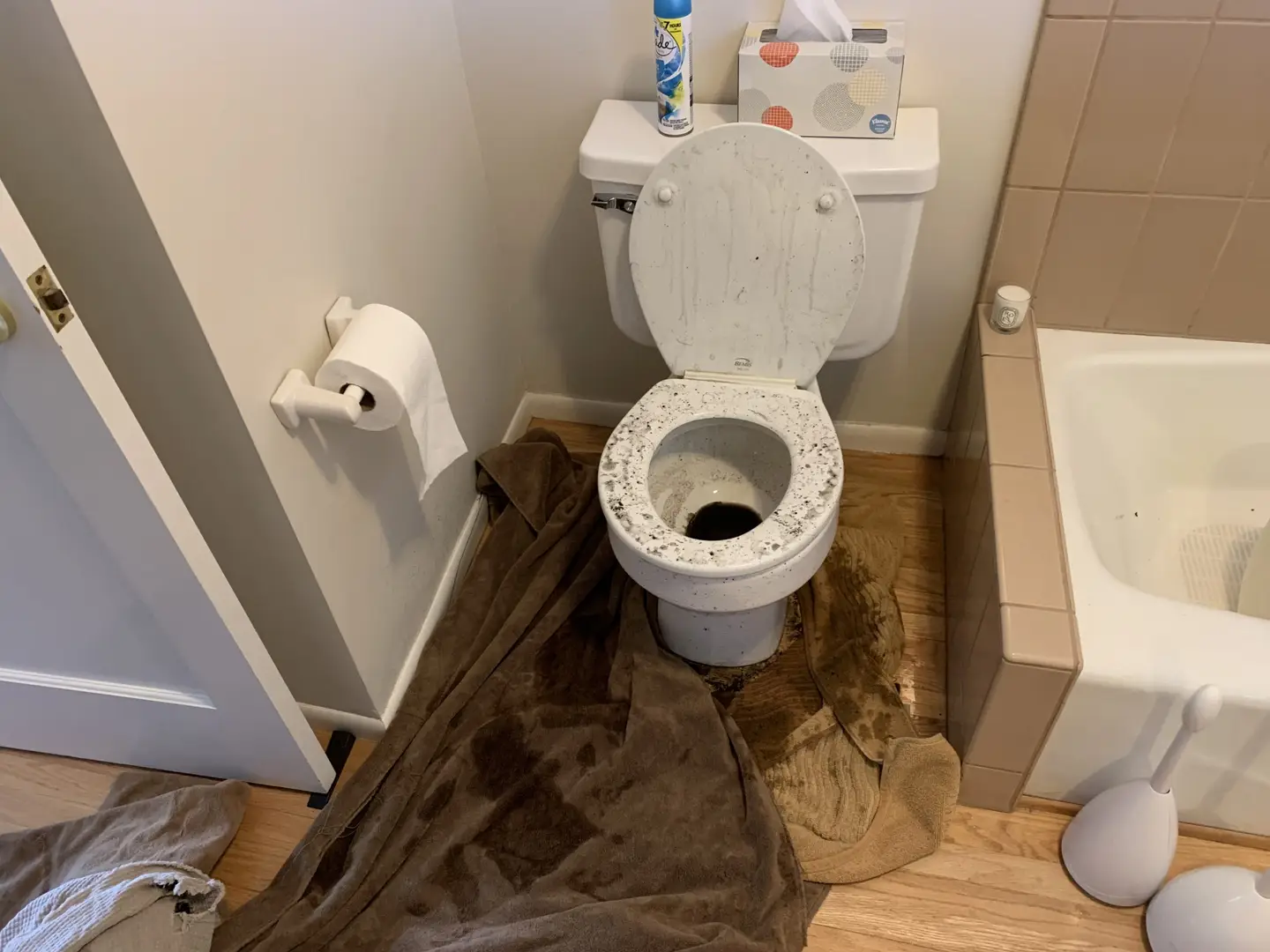
If your toilet overflows in Los Angeles, it's essential to act quickly to minimize damage and address the issue effectively. Here's a step-by-step guide on what to do:
1. Stay Calm and Assess the Situation
First, take a deep breath and assess the situation. Determine the cause of the overflow. Common reasons include:
- Clogged toilet due to excessive toilet paper or foreign objects.
- Malfunctioning flush mechanism.
- Blocked drain lines.
2. Turn Off the Water Supply
Locate the shut-off valve, usually found on the wall behind the toilet. Turn it clockwise to stop the flow of water. This step is crucial to prevent further flooding.
3. Remove Excess Water
Use towels, a mop, or a wet/dry vacuum to remove the excess water from the floor. If you have a lot of water, consider using a bucket to bail it out. Make sure to wear rubber gloves to protect yourself from contamination.
4. Clear the Clog
If you suspect the toilet is clogged, try using a plunger. Follow these steps:
- Ensure there is enough water in the bowl to cover the plunger.
- Position the plunger over the drain hole and push down firmly.
- Pump the plunger up and down vigorously for about 30 seconds.
- Flush the toilet to see if the clog has cleared.
5. Use a Toilet Auger
If plunging doesn’t work, you may need to use a toilet auger (also known as a snake). This tool can reach deeper clogs:
- Insert the auger into the toilet bowl.
- Crank the handle to push the cable down the drain until you feel resistance.
- Continue cranking to break up the clog, then pull the auger out and flush the toilet.
6. Check for Other Issues
If the toilet still overflows, there may be a problem with the plumbing system or the sewer line. In this case, it’s best to:
- Contact a professional plumber.
- Report any sewer issues to the Los Angeles Department of Public Works if you suspect a city-wide problem.
7. Clean Up and Disinfect
After resolving the issue, make sure to thoroughly clean and disinfect the area to prevent mold and bacteria growth:
- Use a disinfectant cleaner on the affected surfaces.
- Dispose of any contaminated materials properly.
- Consider using a fan or dehumidifier to dry the area.
8. Prevent Future Overflows
To avoid future toilet overflows, consider the following:
- Only flush toilet paper and human waste.
- Regularly inspect and maintain your toilet’s components.
- Consider installing a toilet with a higher flush power if clogs are frequent.
References
By following these steps, you can effectively manage a toilet overflow situation in Los Angeles and help prevent future incidents.
Related Posts
© 2025 Invastor. All Rights Reserved
User Comments