
Ai Content Generator
Ai Picture
Tell Your Story

.webp&w=256&q=75) Ian Tyler
Ian TylerIn what ways do airlines engage in "greenwashing," where they exaggerate or misrepresent their environmental initiatives to appear more eco-friendly, and what are the potential consequences of such practices for both the industry and the environment?
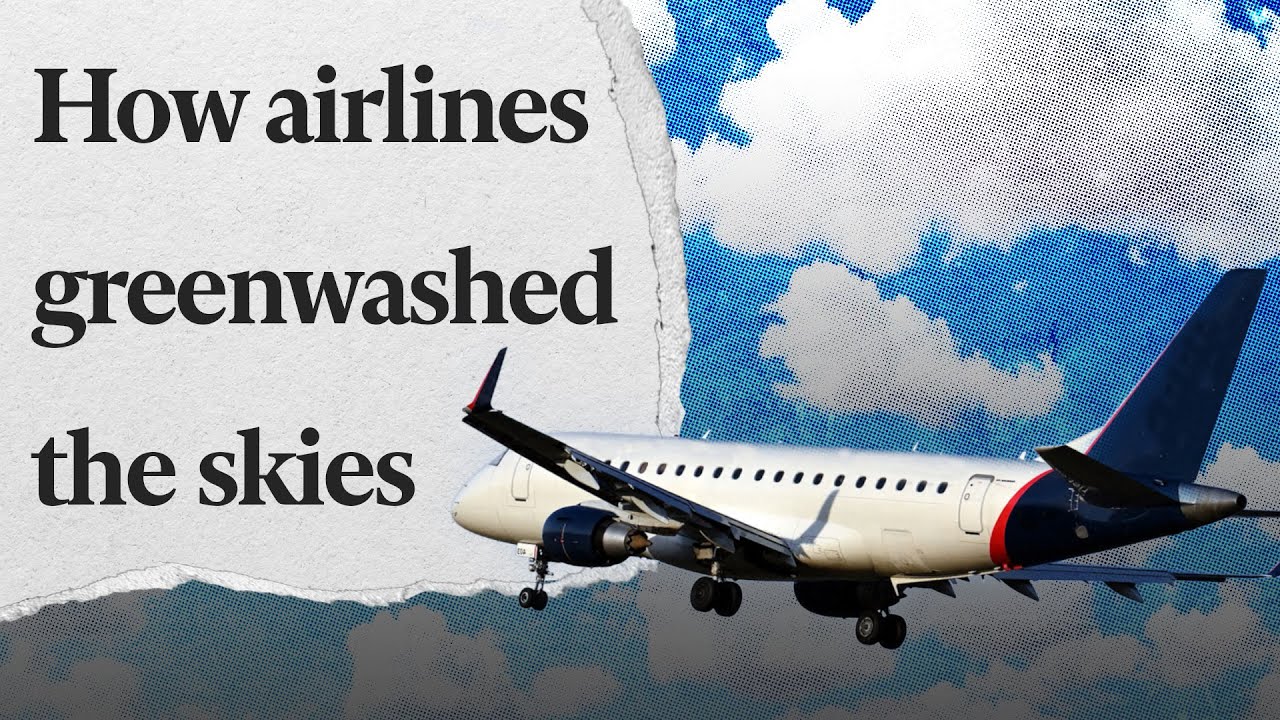
Airlines engage in greenwashing when they overstate or misrepresent their environmental initiatives to create an image of being more eco-friendly than they actually are. This practice can have significant consequences for both the industry and the environment.
1. Carbon offsetting: One common greenwashing tactic is the use of carbon offsetting. Airlines often promote their offset programs, where they claim to neutralize the carbon emissions generated by their flights by investing in environmental projects. However, these offsets often fail to address the root cause of emissions and can be unreliable. For example, British Airways claimed to offset emissions from its domestic flights in 2020, but it was later revealed that the offsets were not independently verified, and the projects were not directly linked to aviation emissions.
2. Fleet efficiency claims: Airlines may also exaggerate their efforts to improve fleet efficiency. They may highlight the purchase of a few fuel-efficient aircraft while ignoring the majority of their older, less efficient fleet. This selective reporting can create a false impression of their commitment to sustainability. In 2019, Qantas announced its goal to become net-zero carbon emissions by 2050. However, critics argued that the airline's fleet renewal plans were insufficient, and the majority of its planes would still be burning fossil fuels well beyond that timeline.
3. Green branding without substantive changes: Airlines sometimes engage in green branding without implementing substantial changes to their operations. They may use eco-friendly colors, slogans, or logos to create an illusion of sustainability. However, these cosmetic changes do not address the industry's significant environmental impact. For instance, Air France faced criticism for introducing a new green logo while continuing to operate a large fleet of older, less fuel-efficient aircraft.
The consequences of greenwashing in the airline industry are twofold:
1. Credibility loss: Greenwashing erodes trust and credibility among consumers who genuinely care about the environment. When airlines make false or exaggerated claims, customers may feel deceived and become skeptical of the industry's environmental efforts. This can lead to reputational damage and a loss of customer loyalty.
2. Lack of accountability and progress: Greenwashing can hinder genuine efforts to reduce the industry's environmental impact. When airlines focus on creating a façade of sustainability, they may divert resources away from implementing meaningful changes. This slows down progress towards more sustainable practices, such as investing in cleaner fuels, improving operational efficiency, or exploring alternative technologies.
To combat greenwashing, it is crucial for airlines to be transparent, accurate, and accountable in their environmental reporting. Independent verification and certification of sustainability initiatives can help restore trust and ensure real progress towards reducing the industry's environmental footprint.
References:
1. The Guardian - "British Airways carbon offset scheme 'falling short,' say experts"
2. The Guardian - "Qantas to cut net emissions to zero by 2050"
3. The Guardian - "Air France's green rebranding criticised as 'greenwashing'"
Related Posts
© 2025 Invastor. All Rights Reserved
User Comments
Deonte Myers
2 years ago
Right, and it can also hinder the development of more sustainable technologies and practices. If airlines are content with superficial changes, they won't invest in the research and development needed for significant improvements.
Mendy Long
2 years ago
The consequences of greenwashing are not just limited to misleading customers. It undermines genuine efforts to reduce the aviation industry's environmental impact, as people start to doubt the credibility of all environmental initiatives.
Bea Ross
2 years ago
And while some airlines might genuinely be making progress, it's important to scrutinize their claims and demand transparency. Otherwise, the industry might continue to perpetuate a false sense of environmental responsibility.
Aria Boyd
2 years ago
True, and consumers are becoming more conscious about choosing eco-friendly options. Airlines know this and might be using greenwashing to appeal to environmentally conscious travelers without making substantial changes.
Amelia Hicks
2 years ago
It's definitely a problem when companies prioritize their image over actual environmental impact. Take those "carbon-neutral flights," for instance. They might buy carbon offsets, but does that really make up for the emissions they're producing?
Pia Porter
2 years ago
The concept of airlines engaging in greenwashing is concerning. Many airlines claim to be taking significant steps toward environmental sustainability, but in reality, some of these efforts might be just for show.