
Ai Content Generator
Ai Picture
Tell Your Story

 william henry
The Comprehensive Guide to Managing and Preventing Pest Infestations in Your Home
Pests can be an absolute nightmare for homeowners. From termites silently eating away at your walls to rodents scampering around your kitchen, the havoc they wreak is both unsettling and costly. Effective management and prevention are vital to maintaining a healthy, pest-free home. This comprehensive guide will help you understand how to handle and prevent infestations while ensuring your living space remains safe and clean.
Understanding Common Household Pests
Before diving into prevention and management strategies, it’s crucial to identify the common pests that invade homes. Each type of pest poses unique challenges and requires specific methods to address them effectively.
- Rodents (Mice and Rats): These pests are known for their ability to chew through almost anything, from wood to electrical wires. They are also carriers of diseases such as hantavirus and leptospirosis.
- Termites: Silent destroyers, termites can cause severe structural damage to homes by feeding on wood and other cellulose materials.
- Ants: Although tiny, ants can quickly become a nuisance as they march in search of food. Some species, like carpenter ants, can also cause damage to wood.
- Cockroaches: Known for their resilience, cockroaches are carriers of allergens and diseases. They thrive in warm, moist environments.
- Bed Bugs: These nocturnal pests feed on human blood and can cause itchy, red bites. Bed bugs are notoriously difficult to eradicate once they’ve settled in.
- Spiders: While most spiders are harmless, some species, like the black widow and brown recluse, can pose risks due to their venomous bites.
- Flies: Flies are more than just an annoyance; they are vectors for diseases like salmonella and E. coli.
Why Pest Prevention Matters
Preventing pest infestations is more cost-effective and less stressful than dealing with a full-blown invasion. Pests can damage property, contaminate food, and negatively impact health. By implementing preventive measures, you protect your family, home, and wallet from unnecessary trouble.
Essential Steps to Prevent Pests
- Seal Entry Points: Inspect your home for cracks, gaps, and holes. Seal them with caulk or steel wool to prevent pests from sneaking inside.
- Maintain Cleanliness: Pests are attracted to food and water sources. Keep your home clean by wiping counters, sweeping floors, and promptly disposing of garbage.
- Store Food Properly: Use airtight containers for food storage to prevent pests from accessing it. Don’t leave pet food out overnight.
- Eliminate Standing Water: Mosquitoes and other pests thrive in standing water. Fix leaks and ensure proper drainage around your home.
- Trim Vegetation: Overgrown shrubs and trees can serve as bridges for pests to enter your home. Regularly trim vegetation and keep it away from the house.
- Regular Inspections: Schedule routine inspections, especially for termites and other hard-to-detect pests. Early detection can save you from extensive damage.
Natural Pest Control Methods
If you prefer a chemical-free approach, several natural remedies can help keep pests at bay.
- Diatomaceous Earth: This powder is effective against ants, cockroaches, and bed bugs. Sprinkle it in areas where pests are likely to crawl.
- Essential Oils: Peppermint, lavender, and eucalyptus oils can repel pests like spiders and mosquitoes. Mix with water and spray around your home.
- Vinegar Solutions: A mix of vinegar and water can deter ants and fruit flies.
- Homemade Traps: Use simple traps made with household items to catch flies and rodents.
Professional Pest Control Services
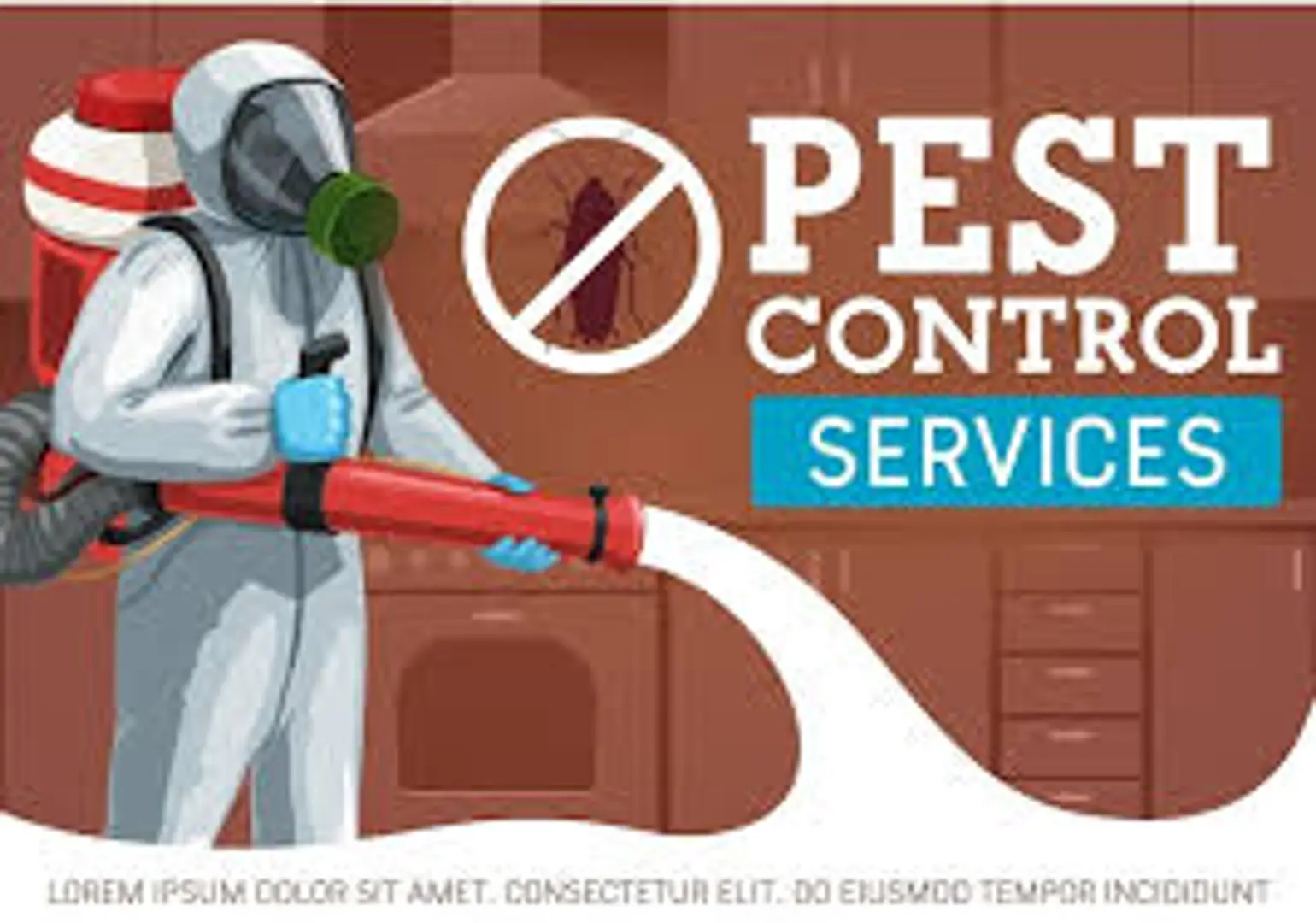
While DIY methods can be effective for minor issues, severe infestations often require professional intervention. Pest control experts have the knowledge, experience, and tools needed to eradicate pests efficiently and safely. Look for licensed and insured professionals with positive customer reviews.
Spotting the Signs of Infestation
Early detection is key to addressing pest problems before they escalate. Here are common signs to watch for:
- Droppings and Urine Stains: These indicate the presence of rodents or cockroaches.
- Gnaw Marks: Found on furniture, wires, or food packaging, gnaw marks are a telltale sign of rodents.
- Shed Skins and Egg Casings: These are often left behind by insects like bed bugs and cockroaches.
- Mud Tubes: Termites create mud tubes to travel and protect themselves. Check for these near your home’s foundation.
- Unusual Sounds: Scratching, squeaking, or scurrying noises in walls or ceilings may indicate rodents or insects.
- Foul Odors: A strong, musty smell could mean an infestation of cockroaches or rodents.
Implementing a Long-Term Pest Management Plan
A long-term approach ensures your home remains pest-free. Follow these strategies for sustained results:
- Routine Cleaning: Regular cleaning reduces the chances of attracting pests.
- Seasonal Checks: Pests are more active during certain seasons. Conduct thorough inspections during spring and fall.
- Educate Your Household: Make sure everyone in your home understands the importance of cleanliness and proper food storage.
- Partner with Professionals: Schedule periodic pest control treatments for added protection.
Addressing Specific Pest Challenges
Each pest requires a tailored approach to management and removal:
- For Rodents: Use bait stations and traps. Ensure proper disposal of trapped rodents to avoid secondary infestations.
- For Termites: Chemical barriers and bait systems are effective. Regular inspections by professionals are crucial.
- For Bed Bugs: Heat treatments and specialized vacuuming can help eradicate bed bugs.
- For Ants: Use ant baits to eliminate colonies. Clean surfaces thoroughly to remove trails.
Sustainable and Eco-Friendly Pest Control
Eco-friendly pest control options are gaining popularity due to their minimal impact on the environment. These methods focus on reducing chemical use and employing safer alternatives:
- Biological Controls: Introduce natural predators like ladybugs to control aphids and other garden pests.
- Physical Barriers: Use mesh screens, traps, and other physical deterrents to block pest entry.
- Integrated Pest Management (IPM): This approach combines preventive, cultural, biological, and mechanical methods to manage pests sustainably.
It’s important to emphasize the significance of pest training as an integral part of pest prevention and management strategies.
Common Myths About Pest Control
Misconceptions about pest control can lead to ineffective practices. Let’s debunk some common myths:
- Clean Homes Are Pest-Free: While cleanliness helps, pests can invade any home if conditions are favorable.
- DIY Methods Always Work: Severe infestations often require professional expertise.
- Cats Eliminate Rodents Completely: Cats may catch some rodents, but they’re not a foolproof solution.
When to Call for Emergency Pest Control
Certain situations demand immediate professional intervention:
- Widespread Infestation: Large numbers of pests indicate a significant problem.
- Structural Damage: Termites or other pests causing noticeable damage to your home.
- Health Risks: Presence of venomous spiders, wasps, or disease-carrying rodents.
Final Thoughts on Maintaining a Pest-Free Home
Preventing and managing pests requires diligence, consistency, and sometimes professional assistance. By implementing the strategies outlined in this guide, you can ensure your home remains a safe and comfortable haven for you and your family. Remember, early action and proactive measures are the keys to keeping pests at bay.
Related Posts
© 2025 Invastor. All Rights Reserved
User Comments