
Ai Content Generator
Ai Picture
Tell Your Story

.webp&w=256&q=75) Celebrity Scoop
Celebrity ScoopKeira Knightley Reveals the Creepy Truth Behind Love Actually's Iconic Cue Card Scene
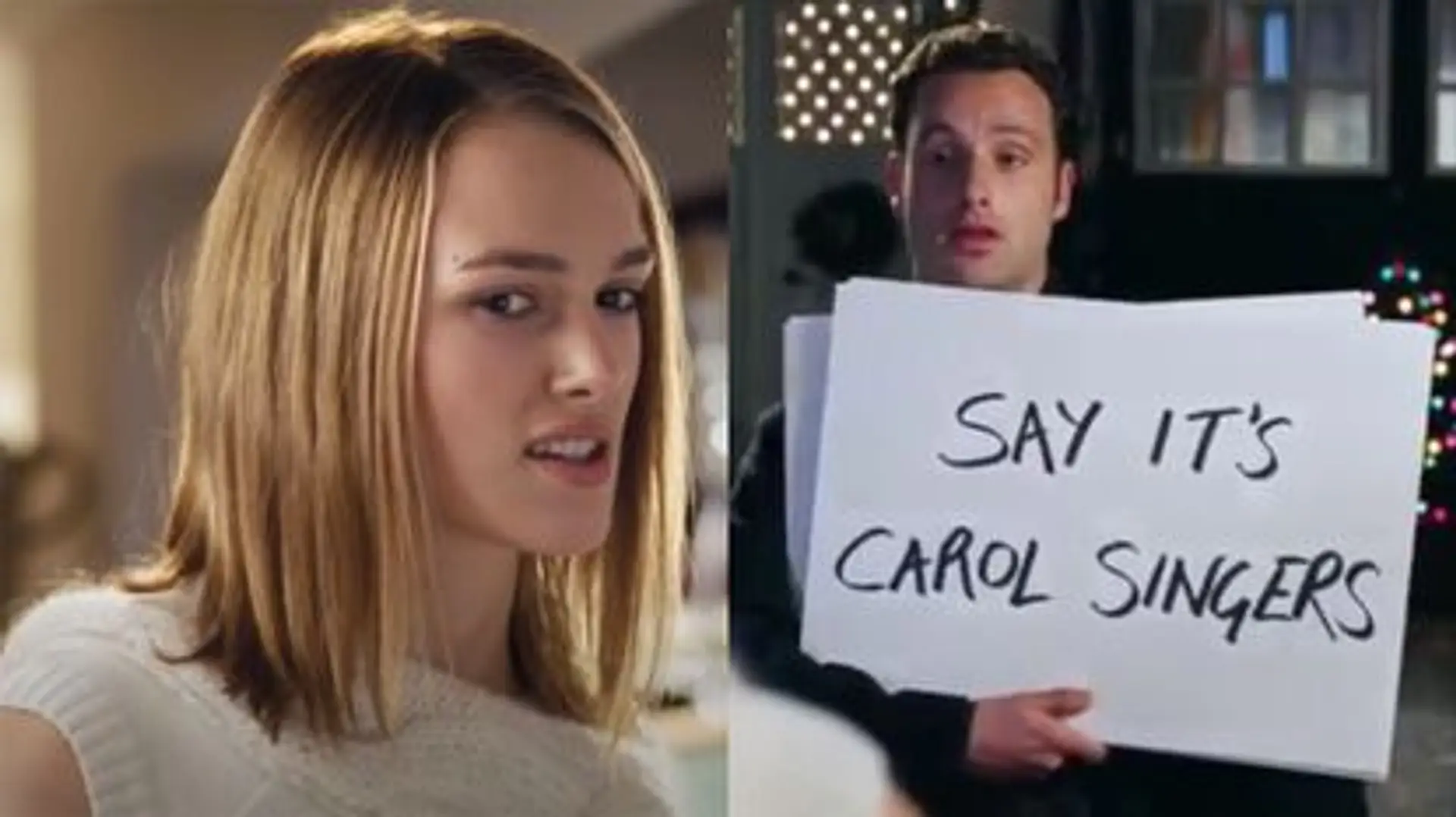
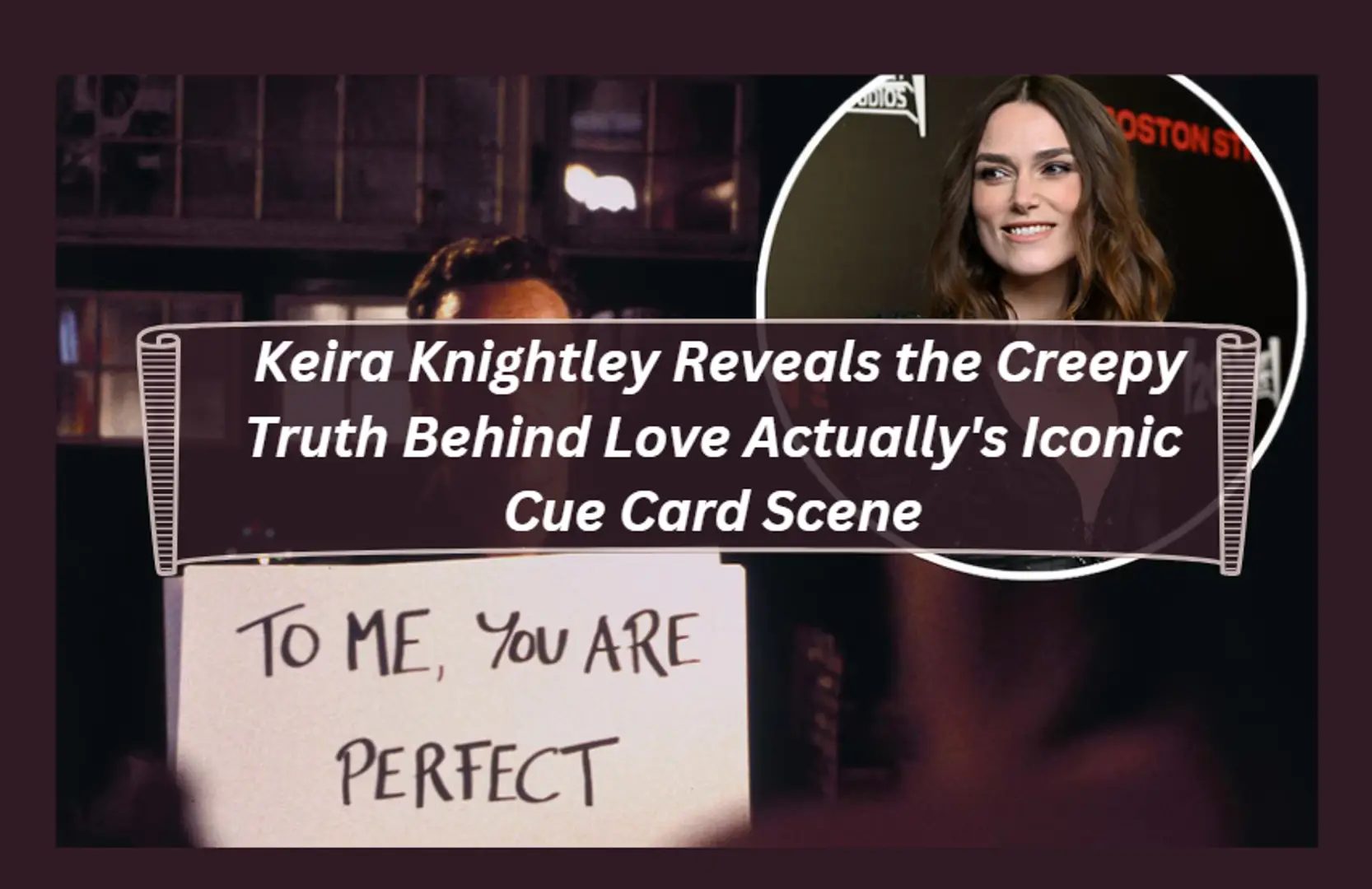
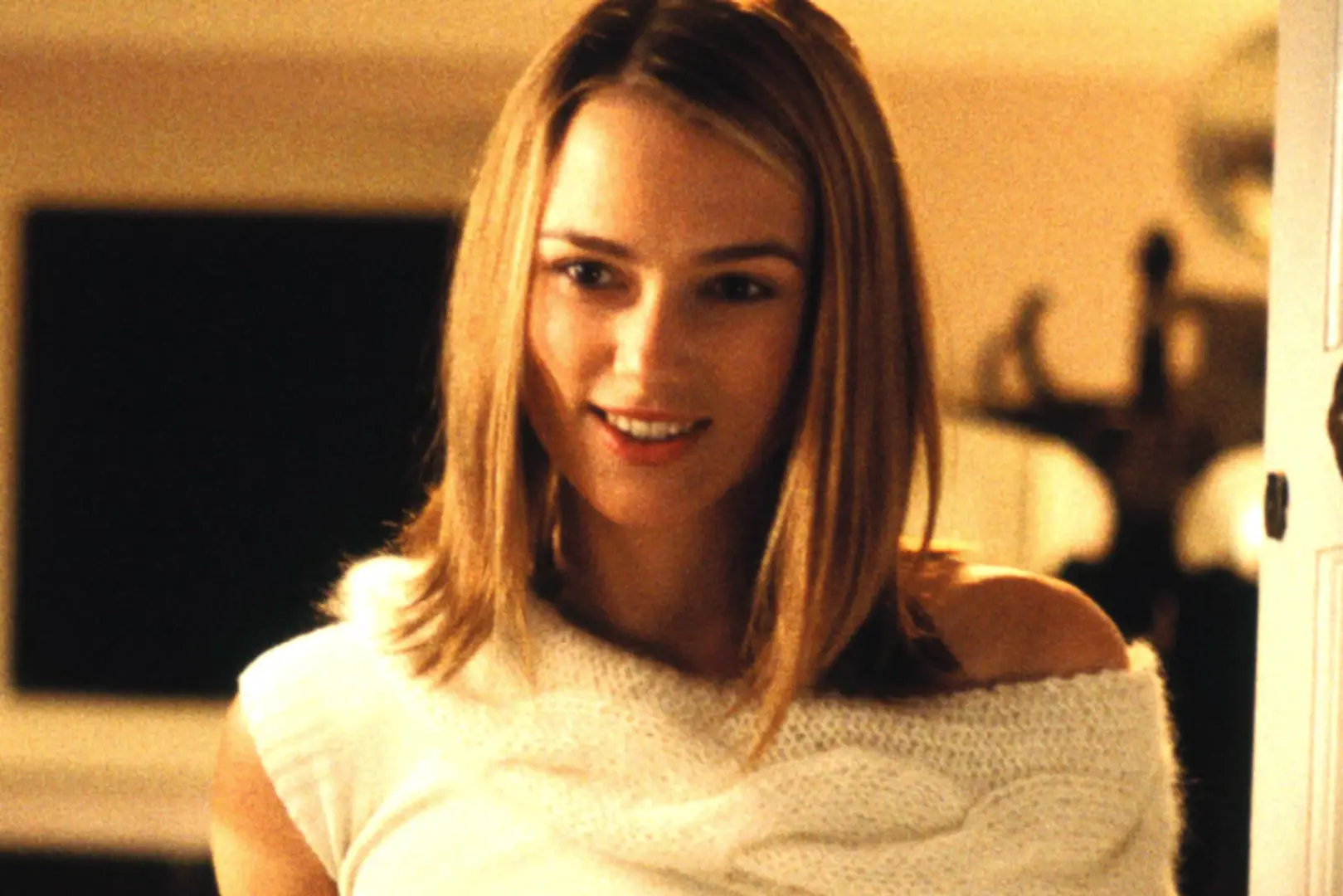
Keira Knightley Reveals the Creepy Truth Behind Love Actually's Iconic Cue Card Scene<br>Subtitle: The actress candidly shares her thoughts on the infamous moment that shaped a generation of romantic comedies.<br>Introduction:<br>In a recent interview with the Los Angeles Times, Keira Knightley, who was just 17 when she filmed the beloved holiday classic "Love Actually," opened up about her experience shooting one of its most memorable scenes—the cue card confession delivered by Andrew Lincoln's character. As the film celebrates its enduring popularity nearly two decades later, Knightley’s candid reflection offers a fresh perspective on a moment that many viewers have romanticized. This revelation not only highlights the complexities of young stardom but also raises questions about the portrayal of love in cinema.<br>The Cue Card Scene: A Moment of Romance or Creepiness?<br>The cue card scene, where Lincoln's character professes his love for Knightley's character using a series of handwritten cards, has been both celebrated and critiqued since the film's release in 2003. Knightley, who has since become one of Hollywood's leading actresses, described her initial reaction to the scene as "quite creepy." Her honest assessment sheds light on how the perception of romantic gestures can evolve over time, especially through the lens of personal experience.<br>A Young Star's Perspective<br>At just 17 years old, Knightley was thrust into the limelight with both "Love Actually" and "Pirates of the Caribbean: The Curse of the Black Pearl" releasing in the same year. The pressure of being in the public eye can skew a young actor's perception of their work. Knightley admitted that during filming, she felt uncomfortable with the implications of the cue card scene and requested to redo it to make her reaction appear less creepy. This insight emphasizes the importance of comfort and agency for young actors in a predominantly adult industry.<br>Revisiting the Scene: A Reflection on Consent and Representation<br>Knightley's comments also invite a deeper discussion about consent and representation in romantic narratives. The cue card scene, while charming to many, can also be interpreted as a violation of personal boundaries. Knightley's candidness serves as a reminder that not all romantic gestures are universally perceived as sweet; context and intention matter significantly. <br>Block Quote:<br>In her interview, Knightley stated, “I had to redo it to fix my face to make it less creepy. It was all quite creepy, actually.” This reflection not only reveals her discomfort but also highlights the need for filmmakers to consider the implications of romantic portrayals, particularly when they involve young actors. <br>Conclusion:<br>Keira Knightley’s recent revelations about the cue card scene in "Love Actually" prompt a reevaluation of how we interpret romantic gestures in film. As audiences, we often overlook the complexities behind the scenes, especially when it comes to young performers. Knightley’s perspective reminds us of the importance of consent and the impact of our portrayals of love. As we continue to celebrate and critique beloved films, her insights serve as a valuable reminder of the evolving nature of romance in cinema and the voices of those who bring these stories to life.<br>
The actress candidly shares her thoughts on the infamous moment that shaped a generation of romantic comedies.<br>Introduction:<br>In a recent interview with the Los Angeles Times, Keira Knightley, who was just 17 when she filmed the beloved holiday classic "Love Actually," opened up about her experience shooting one of its most memorable scenes—the cue card confession delivered by Andrew Lincoln's character. As the film celebrates its enduring popularity nearly two decades later, Knightley’s candid reflection offers a fresh perspective on a moment that many viewers have romanticized. This revelation not only highlights the complexities of young stardom but also raises questions about the portrayal of love in cinema.<br>The Cue Card Scene: A Moment of Romance or Creepiness?<br>The cue card scene, where Lincoln's character professes his love for Knightley's character using a series of handwritten cards, has been both celebrated and critiqued since the film's release in 2003. Knightley, who has since become one of Hollywood's leading actresses, described her initial reaction to the scene as "quite creepy." Her honest assessment sheds light on how the perception of romantic gestures can evolve over time, especially through the lens of personal experience.<br>A Young Star's Perspective<br>At just 17 years old, Knightley was thrust into the limelight with both "Love Actually" and "Pirates of the Caribbean: The Curse of the Black Pearl" releasing in the same year. The pressure of being in the public eye can skew a young actor's perception of their work. Knightley admitted that during filming, she felt uncomfortable with the implications of the cue card scene and requested to redo it to make her reaction appear less creepy. This insight emphasizes the importance of comfort and agency for young actors in a predominantly adult industry.<br>Revisiting the Scene: A Reflection on Consent and Representation<br>Knightley's comments also invite a deeper discussion about consent and representation in romantic narratives. The cue card scene, while charming to many, can also be interpreted as a violation of personal boundaries. Knightley's candidness serves as a reminder that not all romantic gestures are universally perceived as sweet; context and intention matter significantly. <br>Block Quote:<br>In her interview, Knightley stated, “I had to redo it to fix my face to make it less creepy. It was all quite creepy, actually.” This reflection not only reveals her discomfort but also highlights the need for filmmakers to consider the implications of romantic portrayals, particularly when they involve young actors. <br>Conclusion:<br>Keira Knightley’s recent revelations about the cue card scene in "Love Actually" prompt a reevaluation of how we interpret romantic gestures in film. As audiences, we often overlook the complexities behind the scenes, especially when it comes to young performers. Knightley’s perspective reminds us of the importance of consent and the impact of our portrayals of love. As we continue to celebrate and critique beloved films, her insights serve as a valuable reminder of the evolving nature of romance in cinema and the voices of those who bring these stories to life.<br>
<br>In a recent interview with the Los Angeles Times, Keira Knightley, who was just 17 when she filmed the beloved holiday classic "Love Actually," opened up about her experience shooting one of its most memorable scenes—the cue card confession delivered by Andrew Lincoln's character. As the film celebrates its enduring popularity nearly two decades later, Knightley’s candid reflection offers a fresh perspective on a moment that many viewers have romanticized. This revelation not only highlights the complexities of young stardom but also raises questions about the portrayal of love in cinema.<br>The Cue Card Scene: A Moment of Romance or Creepiness?<br>The cue card scene, where Lincoln's character professes his love for Knightley's character using a series of handwritten cards, has been both celebrated and critiqued since the film's release in 2003. Knightley, who has since become one of Hollywood's leading actresses, described her initial reaction to the scene as "quite creepy." Her honest assessment sheds light on how the perception of romantic gestures can evolve over time, especially through the lens of personal experience.<br>A Young Star's Perspective<br>At just 17 years old, Knightley was thrust into the limelight with both "Love Actually" and "Pirates of the Caribbean: The Curse of the Black Pearl" releasing in the same year. The pressure of being in the public eye can skew a young actor's perception of their work. Knightley admitted that during filming, she felt uncomfortable with the implications of the cue card scene and requested to redo it to make her reaction appear less creepy. This insight emphasizes the importance of comfort and agency for young actors in a predominantly adult industry.<br>Revisiting the Scene: A Reflection on Consent and Representation<br>Knightley's comments also invite a deeper discussion about consent and representation in romantic narratives. The cue card scene, while charming to many, can also be interpreted as a violation of personal boundaries. Knightley's candidness serves as a reminder that not all romantic gestures are universally perceived as sweet; context and intention matter significantly. <br>Block Quote:<br>In her interview, Knightley stated, “I had to redo it to fix my face to make it less creepy. It was all quite creepy, actually.” This reflection not only reveals her discomfort but also highlights the need for filmmakers to consider the implications of romantic portrayals, particularly when they involve young actors. <br>Conclusion:<br>Keira Knightley’s recent revelations about the cue card scene in "Love Actually" prompt a reevaluation of how we interpret romantic gestures in film. As audiences, we often overlook the complexities behind the scenes, especially when it comes to young performers. Knightley’s perspective reminds us of the importance of consent and the impact of our portrayals of love. As we continue to celebrate and critique beloved films, her insights serve as a valuable reminder of the evolving nature of romance in cinema and the voices of those who bring these stories to life.<br>
<br>Keira Knightley’s recent revelations about the cue card scene in "Love Actually" prompt a reevaluation of how we interpret romantic gestures in film. As audiences, we often overlook the complexities behind the scenes, especially when it comes to young performers. Knightley’s perspective reminds us of the importance of consent and the impact of our portrayals of love. As we continue to celebrate and critique beloved films, her insights serve as a valuable reminder of the evolving nature of romance in cinema and the voices of those who bring these stories to life.<br>
Related Posts
© 2025 Invastor. All Rights Reserved
User Comments