
Ai Content Generator
Ai Picture
Tell Your Story

 Global News
Russia's 'Meat-Grinder' Tactics: Battlefield Gains at a Catastrophic Cost
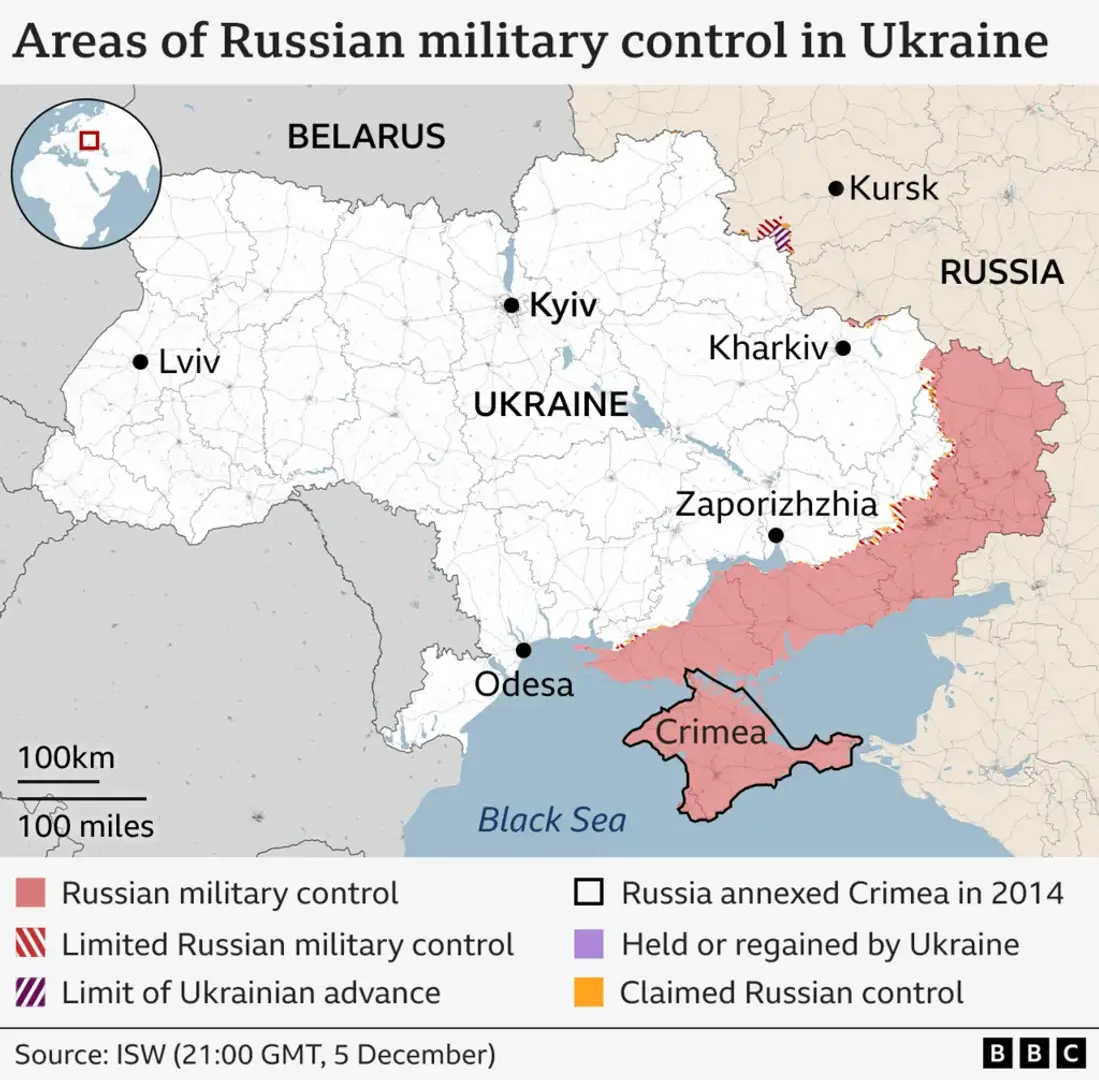
Russia's 'Meat-Grinder' Tactics: Battlefield Gains at a Catastrophic Cost<br>Subtitle: As winter approaches, Russia's relentless strategy yields territorial victories, but the human toll is staggering.<br>Introduction:<br>As 2024 draws to a close, the conflict in Ukraine intensifies, revealing the stark realities of war. Russian forces are employing aggressive 'meat-grinder' tactics that have led to significant territorial gains, specifically in eastern Ukraine and the western Kursk region. While Russia has managed to capture approximately 2,350 square kilometers of land, the cost in human lives continues to escalate alarmingly. Understanding the implications of these tactics is crucial not only for the ongoing conflict but also for the broader geopolitical landscape.<br>The 'Meat-Grinder' Strategy<br>Russia's military strategy in Ukraine has been characterized by overwhelming force and relentless assaults. This approach, often referred to as 'meat-grinder' tactics, involves deploying a substantial number of troops to achieve incremental territorial gains. According to the latest assessments from the UK Defence Intelligence, November 2023 saw Russia suffering unprecedented casualties, with 45,680 reported losses—the highest monthly toll since the onset of the full-scale invasion in February 2022. The sheer scale of these losses underscores the brutal nature of this strategy.<br>Human Cost of Territorial Gains<br>The human cost of Russia's military advances is staggering. On average, the country has sustained around 1,523 casualties daily, with a particularly devastating day on November 28, when over 2,000 soldiers were lost. The Institute for the Study of War (ISW) estimates that for every square kilometer of territory captured, Russia is losing more than 50 soldiers. This stark statistic paints a grim picture of a military campaign that prioritizes land over lives, raising ethical questions about the cost of victory.<br>The Impact on Russian Forces<br>As Russian forces continue to push forward, the impact on troop morale and sustainability cannot be overlooked. With an estimated 125,800 soldiers lost since the start of the autumn offensives, the question arises: how long can this strategy be maintained? High casualty rates may lead to diminishing returns in terms of troop effectiveness and public support for the war back home. The relentless push for territorial gains comes at the risk of crippling the very forces that are being used to achieve them.<br>Block Quote:<br>As an anonymous official noted, “We’re seeing the Russians grinding out more advances, but at enormous cost.” This statement underscores the stark reality faced by Russian commanders as they weigh the benefits of their aggressive tactics against the mounting human toll.<br>Conclusion:<br>The ongoing conflict in Ukraine illustrates the complexities and harsh realities of modern warfare. Russia's 'meat-grinder' tactics have resulted in significant territorial advances, yet the price paid in human lives has been catastrophic. As winter sets in and the conflict drags on, the sustainability of such a strategy remains in question. The world watches as the consequences of these military decisions unfold, reminding us that in the theater of war, the cost of victory can often be measured in lives lost.<br>
As winter approaches, Russia's relentless strategy yields territorial victories, but the human toll is staggering.<br>Introduction:<br>As 2024 draws to a close, the conflict in Ukraine intensifies, revealing the stark realities of war. Russian forces are employing aggressive 'meat-grinder' tactics that have led to significant territorial gains, specifically in eastern Ukraine and the western Kursk region. While Russia has managed to capture approximately 2,350 square kilometers of land, the cost in human lives continues to escalate alarmingly. Understanding the implications of these tactics is crucial not only for the ongoing conflict but also for the broader geopolitical landscape.<br>The 'Meat-Grinder' Strategy<br>Russia's military strategy in Ukraine has been characterized by overwhelming force and relentless assaults. This approach, often referred to as 'meat-grinder' tactics, involves deploying a substantial number of troops to achieve incremental territorial gains. According to the latest assessments from the UK Defence Intelligence, November 2023 saw Russia suffering unprecedented casualties, with 45,680 reported losses—the highest monthly toll since the onset of the full-scale invasion in February 2022. The sheer scale of these losses underscores the brutal nature of this strategy.<br>Human Cost of Territorial Gains<br>The human cost of Russia's military advances is staggering. On average, the country has sustained around 1,523 casualties daily, with a particularly devastating day on November 28, when over 2,000 soldiers were lost. The Institute for the Study of War (ISW) estimates that for every square kilometer of territory captured, Russia is losing more than 50 soldiers. This stark statistic paints a grim picture of a military campaign that prioritizes land over lives, raising ethical questions about the cost of victory.<br>The Impact on Russian Forces<br>As Russian forces continue to push forward, the impact on troop morale and sustainability cannot be overlooked. With an estimated 125,800 soldiers lost since the start of the autumn offensives, the question arises: how long can this strategy be maintained? High casualty rates may lead to diminishing returns in terms of troop effectiveness and public support for the war back home. The relentless push for territorial gains comes at the risk of crippling the very forces that are being used to achieve them.<br>Block Quote:<br>As an anonymous official noted, “We’re seeing the Russians grinding out more advances, but at enormous cost.” This statement underscores the stark reality faced by Russian commanders as they weigh the benefits of their aggressive tactics against the mounting human toll.<br>Conclusion:<br>The ongoing conflict in Ukraine illustrates the complexities and harsh realities of modern warfare. Russia's 'meat-grinder' tactics have resulted in significant territorial advances, yet the price paid in human lives has been catastrophic. As winter sets in and the conflict drags on, the sustainability of such a strategy remains in question. The world watches as the consequences of these military decisions unfold, reminding us that in the theater of war, the cost of victory can often be measured in lives lost.<br>
<br>As 2024 draws to a close, the conflict in Ukraine intensifies, revealing the stark realities of war. Russian forces are employing aggressive 'meat-grinder' tactics that have led to significant territorial gains, specifically in eastern Ukraine and the western Kursk region. While Russia has managed to capture approximately 2,350 square kilometers of land, the cost in human lives continues to escalate alarmingly. Understanding the implications of these tactics is crucial not only for the ongoing conflict but also for the broader geopolitical landscape.<br>The 'Meat-Grinder' Strategy<br>Russia's military strategy in Ukraine has been characterized by overwhelming force and relentless assaults. This approach, often referred to as 'meat-grinder' tactics, involves deploying a substantial number of troops to achieve incremental territorial gains. According to the latest assessments from the UK Defence Intelligence, November 2023 saw Russia suffering unprecedented casualties, with 45,680 reported losses—the highest monthly toll since the onset of the full-scale invasion in February 2022. The sheer scale of these losses underscores the brutal nature of this strategy.<br>Human Cost of Territorial Gains<br>The human cost of Russia's military advances is staggering. On average, the country has sustained around 1,523 casualties daily, with a particularly devastating day on November 28, when over 2,000 soldiers were lost. The Institute for the Study of War (ISW) estimates that for every square kilometer of territory captured, Russia is losing more than 50 soldiers. This stark statistic paints a grim picture of a military campaign that prioritizes land over lives, raising ethical questions about the cost of victory.<br>The Impact on Russian Forces<br>As Russian forces continue to push forward, the impact on troop morale and sustainability cannot be overlooked. With an estimated 125,800 soldiers lost since the start of the autumn offensives, the question arises: how long can this strategy be maintained? High casualty rates may lead to diminishing returns in terms of troop effectiveness and public support for the war back home. The relentless push for territorial gains comes at the risk of crippling the very forces that are being used to achieve them.<br>Block Quote:<br>As an anonymous official noted, “We’re seeing the Russians grinding out more advances, but at enormous cost.” This statement underscores the stark reality faced by Russian commanders as they weigh the benefits of their aggressive tactics against the mounting human toll.<br>Conclusion:<br>The ongoing conflict in Ukraine illustrates the complexities and harsh realities of modern warfare. Russia's 'meat-grinder' tactics have resulted in significant territorial advances, yet the price paid in human lives has been catastrophic. As winter sets in and the conflict drags on, the sustainability of such a strategy remains in question. The world watches as the consequences of these military decisions unfold, reminding us that in the theater of war, the cost of victory can often be measured in lives lost.<br>
<br>The ongoing conflict in Ukraine illustrates the complexities and harsh realities of modern warfare. Russia's 'meat-grinder' tactics have resulted in significant territorial advances, yet the price paid in human lives has been catastrophic. As winter sets in and the conflict drags on, the sustainability of such a strategy remains in question. The world watches as the consequences of these military decisions unfold, reminding us that in the theater of war, the cost of victory can often be measured in lives lost.<br>
Related Posts
© 2025 Invastor. All Rights Reserved
User Comments