
Ai Content Generator
Ai Picture
Tell Your Story

.webp&w=256&q=75) Celebrity Scoop
Celebrity ScoopBridalplasty: A Disturbing Reflection of Reality TV’s Obsession with Perfection
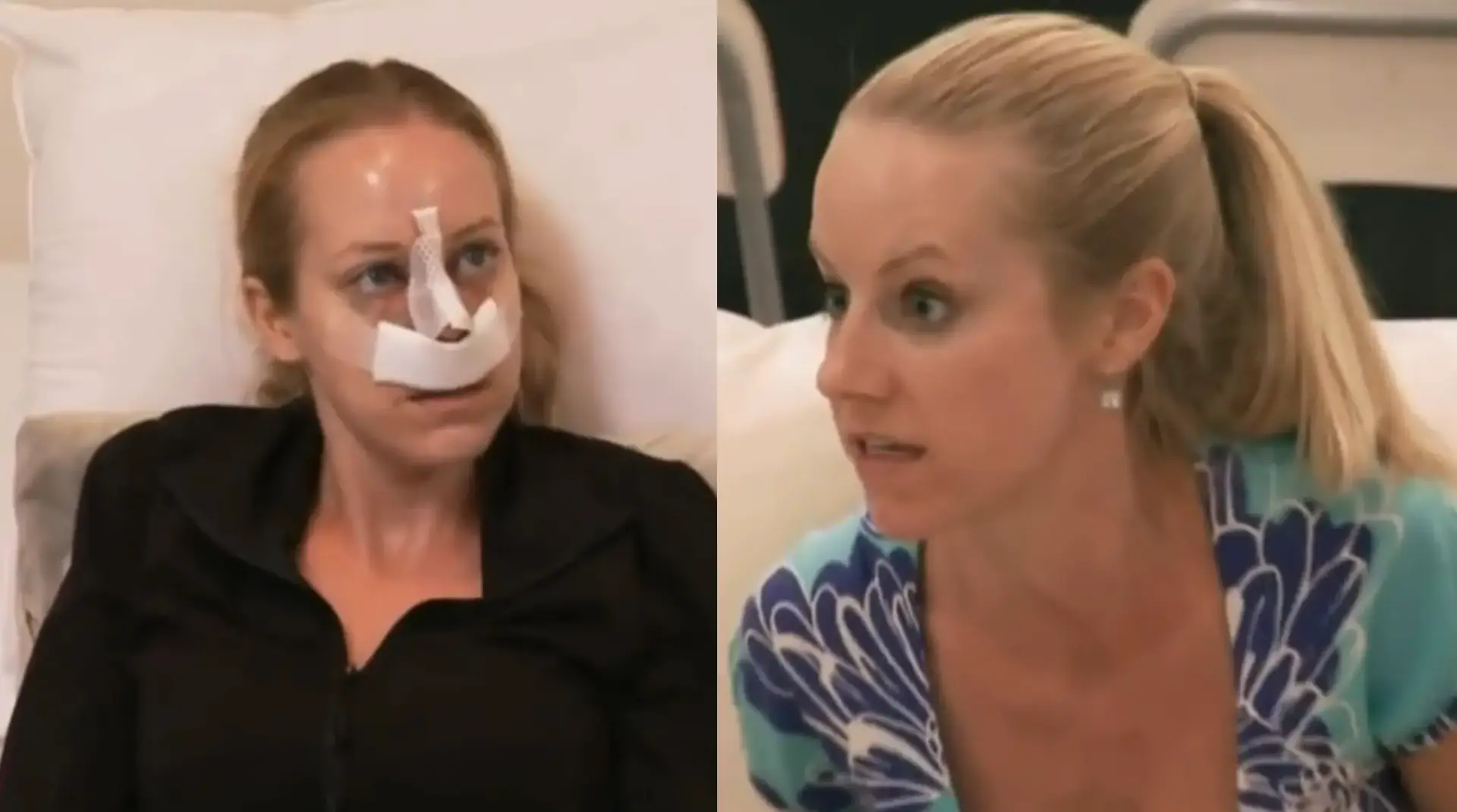
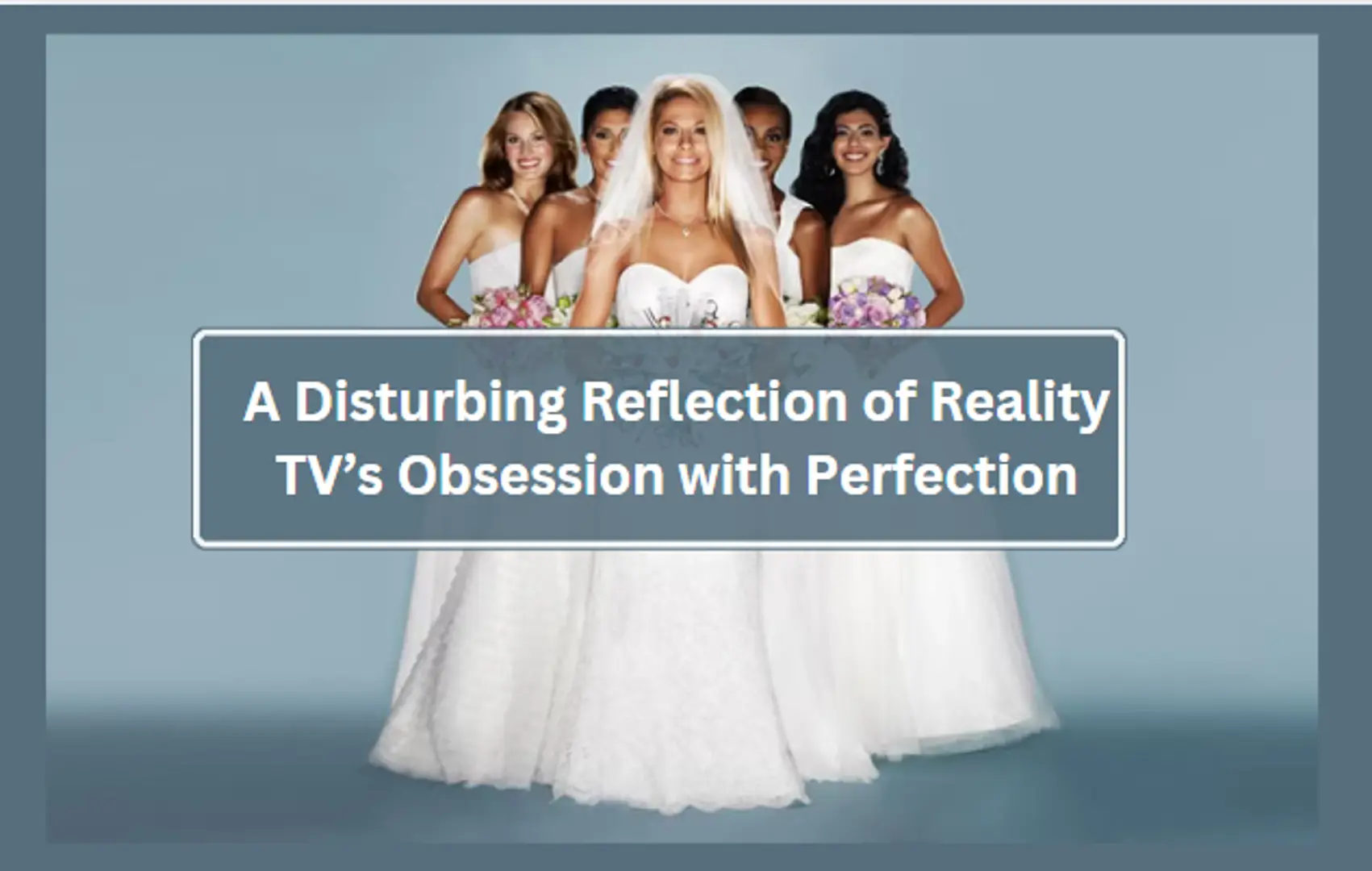
Bridalplasty: A Disturbing Reflection of Reality TV’s Obsession with Perfection<br>Subtitle: Analyzing the Impact and Implications of a 2010s Reality Show That Defined an Era of Unrealistic Beauty Standards<br>Introduction:<br>In the early 2010s, reality television reached new heights of absurdity, captivating audiences with its outrageous premises. One of the most notorious examples from this era is "Bridalplasty," a show that combined the pressures of wedding planning with the extreme world of cosmetic surgery. Airing on E! in 2010, "Bridalplasty" featured a group of brides-to-be living together in a mansion, vying for the opportunity to undergo various plastic surgeries before their big day. This show not only highlighted the lengths some would go to for beauty but also served as a cultural touchstone that reflected society's obsession with perfection. In this post, we will delve into the show's premise, its societal implications, and why it stands as an unfortunate product of its time.<br>The Premise of Bridalplasty<br>"Bridalplasty" revolved around the lives of 12 brides who competed in challenges to win surgeries that would help them achieve their ideal wedding day look. The contestants were eliminated one by one, with the ultimate winner receiving a dream wedding and the chance to undergo an extensive makeover. The format was a bizarre blend of reality competition and makeover show, where personal stories of love and commitment were overshadowed by the promise of physical transformation. <br>The Cultural Context of the 2010s<br>The 2010s were marked by a surge in reality television shows that focused on beauty, transformation, and competition. Shows like "The Bachelor" and "America's Next Top Model" set the stage for "Bridalplasty," which took the concept of striving for an ideal image to an extreme. During this period, social media was also on the rise, amplifying the pressure to conform to unrealistic beauty standards. The combination of these factors made "Bridalplasty" a reflection of a culture increasingly fixated on physical appearance, leading many to question the long-term effects of such portrayals on self-esteem and body image.<br>The Consequences of Unrealistic Beauty Standards<br>"Bridalplasty" isn't just a guilty pleasure; it raises critical questions about the implications of reality television on societal norms. By promoting plastic surgery as a means to achieve happiness and acceptance, the show reinforced harmful stereotypes about beauty. Contestants were often portrayed as desperate for validation, highlighting a troubling narrative that equates self-worth with physical appearance. This normalization of cosmetic procedures can have detrimental effects, particularly on impressionable viewers who may internalize these messages as a standard to aspire to.<br>Block Quote:<br>As Dr. Jennifer Hartstein, a psychologist specializing in body image issues, stated, “Reality shows like Bridalplasty send a dangerous message that physical appearance is paramount. They can lead viewers to believe that they need to change themselves to be worthy of love and happiness, which is a harmful narrative that can have lasting repercussions.” <br>The Legacy of Bridalplasty<br>Although "Bridalplasty" was short-lived, its impact on reality television and societal perceptions of beauty continues to resonate. The show serves as a reminder of a time when extreme measures were celebrated in the name of love and happiness. Today, as conversations about body positivity and mental health gain traction, it’s essential to reflect on how shows like "Bridalplasty" contributed to the pressure many feel to conform to a narrow definition of beauty.<br>Conclusion:<br>"Bridalplasty" stands as an unfortunate product of its time, encapsulating the excesses of 2010s reality television and the societal obsession with physical perfection. While it may have entertained viewers with its outrageous premise, it also perpetuated harmful ideals that continue to influence attitudes toward beauty and self-worth. As we move forward, it is crucial to foster media literacy and promote a more inclusive and realistic portrayal of beauty that celebrates individuality rather than conformity.<br>
Analyzing the Impact and Implications of a 2010s Reality Show That Defined an Era of Unrealistic Beauty Standards<br>Introduction:<br>In the early 2010s, reality television reached new heights of absurdity, captivating audiences with its outrageous premises. One of the most notorious examples from this era is "Bridalplasty," a show that combined the pressures of wedding planning with the extreme world of cosmetic surgery. Airing on E! in 2010, "Bridalplasty" featured a group of brides-to-be living together in a mansion, vying for the opportunity to undergo various plastic surgeries before their big day. This show not only highlighted the lengths some would go to for beauty but also served as a cultural touchstone that reflected society's obsession with perfection. In this post, we will delve into the show's premise, its societal implications, and why it stands as an unfortunate product of its time.<br>The Premise of Bridalplasty<br>"Bridalplasty" revolved around the lives of 12 brides who competed in challenges to win surgeries that would help them achieve their ideal wedding day look. The contestants were eliminated one by one, with the ultimate winner receiving a dream wedding and the chance to undergo an extensive makeover. The format was a bizarre blend of reality competition and makeover show, where personal stories of love and commitment were overshadowed by the promise of physical transformation. <br>The Cultural Context of the 2010s<br>The 2010s were marked by a surge in reality television shows that focused on beauty, transformation, and competition. Shows like "The Bachelor" and "America's Next Top Model" set the stage for "Bridalplasty," which took the concept of striving for an ideal image to an extreme. During this period, social media was also on the rise, amplifying the pressure to conform to unrealistic beauty standards. The combination of these factors made "Bridalplasty" a reflection of a culture increasingly fixated on physical appearance, leading many to question the long-term effects of such portrayals on self-esteem and body image.<br>The Consequences of Unrealistic Beauty Standards<br>"Bridalplasty" isn't just a guilty pleasure; it raises critical questions about the implications of reality television on societal norms. By promoting plastic surgery as a means to achieve happiness and acceptance, the show reinforced harmful stereotypes about beauty. Contestants were often portrayed as desperate for validation, highlighting a troubling narrative that equates self-worth with physical appearance. This normalization of cosmetic procedures can have detrimental effects, particularly on impressionable viewers who may internalize these messages as a standard to aspire to.<br>Block Quote:<br>As Dr. Jennifer Hartstein, a psychologist specializing in body image issues, stated, “Reality shows like Bridalplasty send a dangerous message that physical appearance is paramount. They can lead viewers to believe that they need to change themselves to be worthy of love and happiness, which is a harmful narrative that can have lasting repercussions.” <br>The Legacy of Bridalplasty<br>Although "Bridalplasty" was short-lived, its impact on reality television and societal perceptions of beauty continues to resonate. The show serves as a reminder of a time when extreme measures were celebrated in the name of love and happiness. Today, as conversations about body positivity and mental health gain traction, it’s essential to reflect on how shows like "Bridalplasty" contributed to the pressure many feel to conform to a narrow definition of beauty.<br>Conclusion:<br>"Bridalplasty" stands as an unfortunate product of its time, encapsulating the excesses of 2010s reality television and the societal obsession with physical perfection. While it may have entertained viewers with its outrageous premise, it also perpetuated harmful ideals that continue to influence attitudes toward beauty and self-worth. As we move forward, it is crucial to foster media literacy and promote a more inclusive and realistic portrayal of beauty that celebrates individuality rather than conformity.<br>
<br>In the early 2010s, reality television reached new heights of absurdity, captivating audiences with its outrageous premises. One of the most notorious examples from this era is "Bridalplasty," a show that combined the pressures of wedding planning with the extreme world of cosmetic surgery. Airing on E! in 2010, "Bridalplasty" featured a group of brides-to-be living together in a mansion, vying for the opportunity to undergo various plastic surgeries before their big day. This show not only highlighted the lengths some would go to for beauty but also served as a cultural touchstone that reflected society's obsession with perfection. In this post, we will delve into the show's premise, its societal implications, and why it stands as an unfortunate product of its time.<br>The Premise of Bridalplasty<br>"Bridalplasty" revolved around the lives of 12 brides who competed in challenges to win surgeries that would help them achieve their ideal wedding day look. The contestants were eliminated one by one, with the ultimate winner receiving a dream wedding and the chance to undergo an extensive makeover. The format was a bizarre blend of reality competition and makeover show, where personal stories of love and commitment were overshadowed by the promise of physical transformation. <br>The Cultural Context of the 2010s<br>The 2010s were marked by a surge in reality television shows that focused on beauty, transformation, and competition. Shows like "The Bachelor" and "America's Next Top Model" set the stage for "Bridalplasty," which took the concept of striving for an ideal image to an extreme. During this period, social media was also on the rise, amplifying the pressure to conform to unrealistic beauty standards. The combination of these factors made "Bridalplasty" a reflection of a culture increasingly fixated on physical appearance, leading many to question the long-term effects of such portrayals on self-esteem and body image.<br>The Consequences of Unrealistic Beauty Standards<br>"Bridalplasty" isn't just a guilty pleasure; it raises critical questions about the implications of reality television on societal norms. By promoting plastic surgery as a means to achieve happiness and acceptance, the show reinforced harmful stereotypes about beauty. Contestants were often portrayed as desperate for validation, highlighting a troubling narrative that equates self-worth with physical appearance. This normalization of cosmetic procedures can have detrimental effects, particularly on impressionable viewers who may internalize these messages as a standard to aspire to.<br>Block Quote:<br>As Dr. Jennifer Hartstein, a psychologist specializing in body image issues, stated, “Reality shows like Bridalplasty send a dangerous message that physical appearance is paramount. They can lead viewers to believe that they need to change themselves to be worthy of love and happiness, which is a harmful narrative that can have lasting repercussions.” <br>The Legacy of Bridalplasty<br>Although "Bridalplasty" was short-lived, its impact on reality television and societal perceptions of beauty continues to resonate. The show serves as a reminder of a time when extreme measures were celebrated in the name of love and happiness. Today, as conversations about body positivity and mental health gain traction, it’s essential to reflect on how shows like "Bridalplasty" contributed to the pressure many feel to conform to a narrow definition of beauty.<br>Conclusion:<br>"Bridalplasty" stands as an unfortunate product of its time, encapsulating the excesses of 2010s reality television and the societal obsession with physical perfection. While it may have entertained viewers with its outrageous premise, it also perpetuated harmful ideals that continue to influence attitudes toward beauty and self-worth. As we move forward, it is crucial to foster media literacy and promote a more inclusive and realistic portrayal of beauty that celebrates individuality rather than conformity.<br>
<br>"Bridalplasty" stands as an unfortunate product of its time, encapsulating the excesses of 2010s reality television and the societal obsession with physical perfection. While it may have entertained viewers with its outrageous premise, it also perpetuated harmful ideals that continue to influence attitudes toward beauty and self-worth. As we move forward, it is crucial to foster media literacy and promote a more inclusive and realistic portrayal of beauty that celebrates individuality rather than conformity.<br>
Related Posts
© 2025 Invastor. All Rights Reserved
User Comments