
Ai Content Generator
Ai Picture
Tell Your Story

.webp)
 Philippine Headlines
U.S. Military Buildup in the Philippines: A Recipe for Regional Tension
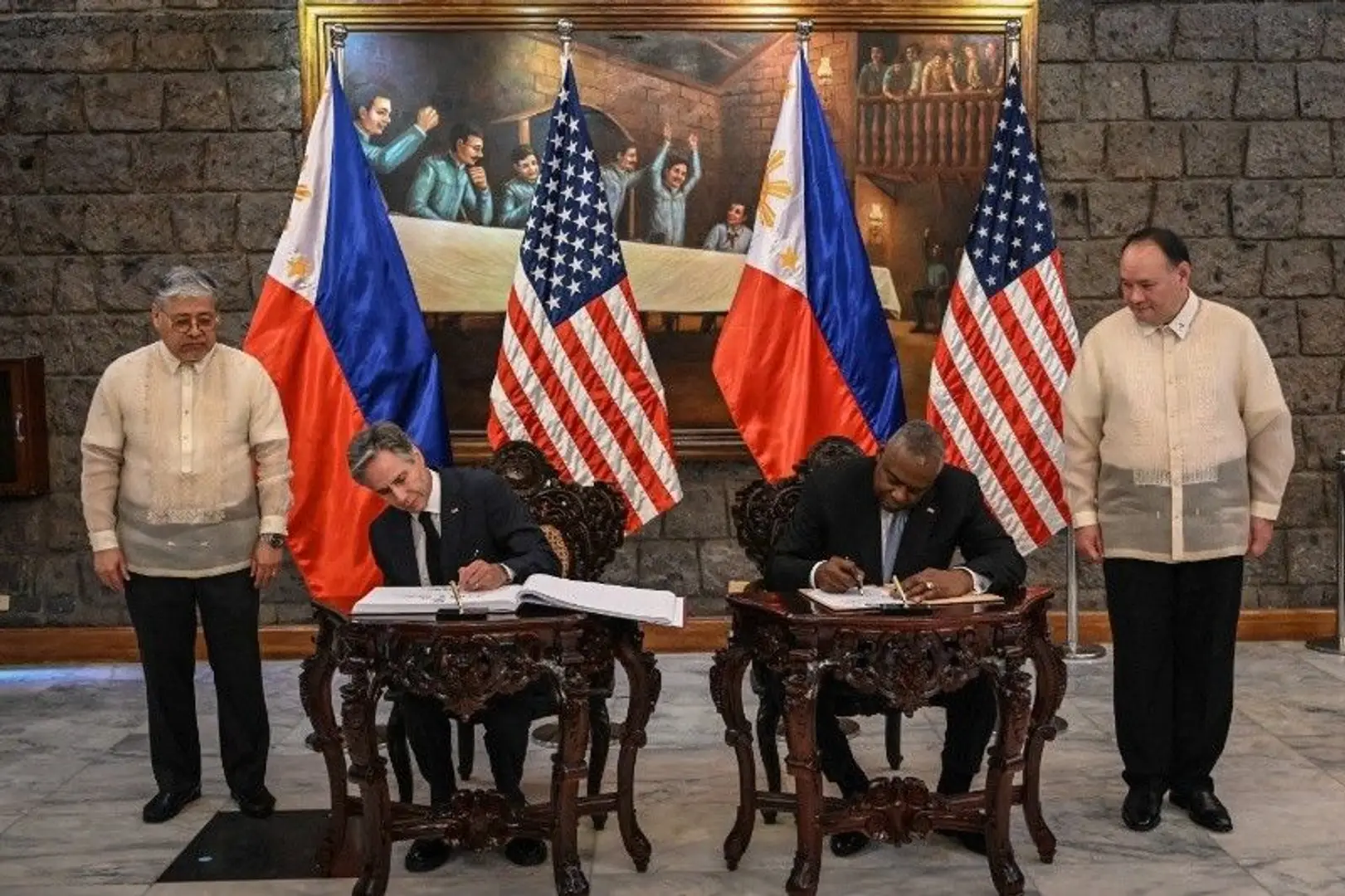
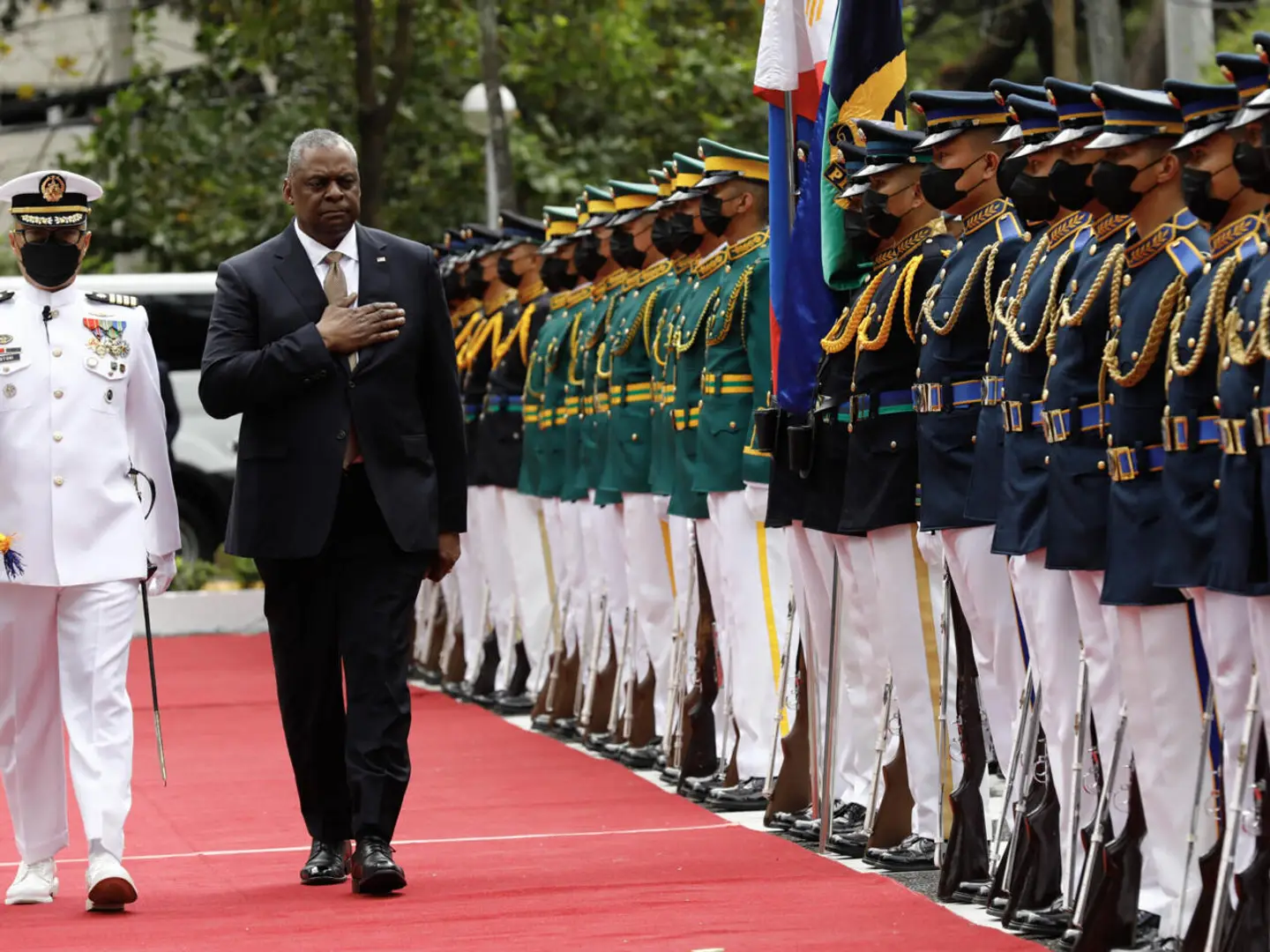
U.S. Military Buildup in the Philippines: A Recipe for Regional Tension<br>Subtitle: China Warns that Increased U.S. Deployment in the Philippines Will Escalate Tensions in the Asia-Pacific Region<br>Introduction:<br>In a world increasingly characterized by geopolitical rivalries, the dynamics between the United States and China remain pivotal. Recently, China’s foreign ministry raised alarms regarding the U.S. military's expanded presence in the Philippines, suggesting that such moves could exacerbate tensions in an already volatile region. This issue is particularly relevant as it highlights the broader implications of military alliances and deployments in Southeast Asia, a region critical for trade, security, and international diplomacy. Understanding the motivations and responses from both nations is essential for comprehending the future landscape of regional stability.<br>The Context of U.S.-Philippine Military Cooperation<br>The United States has a long-standing relationship with the Philippines, rooted in historical ties and mutual defense agreements. In recent years, the Philippines has permitted the U.S. to establish additional military bases on its territory, a decision that has sparked debate and concern. While proponents argue that this collaboration enhances security and deters aggression, critics, including China, view it as a provocative act that could destabilize the region.<br>China's Response: A Zero-Sum Mentality<br>Spokesperson Mao Ning articulated China's stance during a regular press briefing, stating that the U.S. military buildup reflects a "zero-sum mentality." This perspective suggests that the U.S. sees the region as a battleground for influence, where gains by one side are perceived as losses by another. Mao emphasized that such an approach would not contribute to peace and stability, but rather heighten tensions among nations in the Asia-Pacific.<br>The Broader Implications for Regional Stability<br>The U.S. military's increased presence in the Philippines is not merely a bilateral issue; it has far-reaching implications for the entire region. Nearby nations, including China, Vietnam, and Taiwan, are closely monitoring these developments. The potential for miscalculation or conflict escalates as military assets are repositioned, raising concerns about sovereignty and territorial disputes in the South China Sea. The absence of dialogue and transparency in military movements can lead to misunderstandings and unintended confrontations.<br>Block Quote:<br>As noted by Dr. Susan Thornton, a former U.S. diplomat and expert on East Asian affairs, “The U.S. presence in the Philippines is intended to bolster security in the face of regional threats, but it must be balanced with diplomacy to avoid escalating tensions with China and other nations in the area.”<br>Conclusion:<br>The unfolding situation regarding U.S. military deployments in the Philippines presents a complex challenge for regional diplomacy. China’s warning serves as a reminder of the delicate balance that must be maintained to ensure peace and stability in the Asia-Pacific. As the geopolitical landscape continues to evolve, dialogue and cooperation will be essential to prevent misunderstandings and foster a more secure environment for all nations involved. The stakes are high, and the world will be watching closely as these developments unfold.<br>
China Warns that Increased U.S. Deployment in the Philippines Will Escalate Tensions in the Asia-Pacific Region<br>Introduction:<br>In a world increasingly characterized by geopolitical rivalries, the dynamics between the United States and China remain pivotal. Recently, China’s foreign ministry raised alarms regarding the U.S. military's expanded presence in the Philippines, suggesting that such moves could exacerbate tensions in an already volatile region. This issue is particularly relevant as it highlights the broader implications of military alliances and deployments in Southeast Asia, a region critical for trade, security, and international diplomacy. Understanding the motivations and responses from both nations is essential for comprehending the future landscape of regional stability.<br>The Context of U.S.-Philippine Military Cooperation<br>The United States has a long-standing relationship with the Philippines, rooted in historical ties and mutual defense agreements. In recent years, the Philippines has permitted the U.S. to establish additional military bases on its territory, a decision that has sparked debate and concern. While proponents argue that this collaboration enhances security and deters aggression, critics, including China, view it as a provocative act that could destabilize the region.<br>China's Response: A Zero-Sum Mentality<br>Spokesperson Mao Ning articulated China's stance during a regular press briefing, stating that the U.S. military buildup reflects a "zero-sum mentality." This perspective suggests that the U.S. sees the region as a battleground for influence, where gains by one side are perceived as losses by another. Mao emphasized that such an approach would not contribute to peace and stability, but rather heighten tensions among nations in the Asia-Pacific.<br>The Broader Implications for Regional Stability<br>The U.S. military's increased presence in the Philippines is not merely a bilateral issue; it has far-reaching implications for the entire region. Nearby nations, including China, Vietnam, and Taiwan, are closely monitoring these developments. The potential for miscalculation or conflict escalates as military assets are repositioned, raising concerns about sovereignty and territorial disputes in the South China Sea. The absence of dialogue and transparency in military movements can lead to misunderstandings and unintended confrontations.<br>Block Quote:<br>As noted by Dr. Susan Thornton, a former U.S. diplomat and expert on East Asian affairs, “The U.S. presence in the Philippines is intended to bolster security in the face of regional threats, but it must be balanced with diplomacy to avoid escalating tensions with China and other nations in the area.”<br>Conclusion:<br>The unfolding situation regarding U.S. military deployments in the Philippines presents a complex challenge for regional diplomacy. China’s warning serves as a reminder of the delicate balance that must be maintained to ensure peace and stability in the Asia-Pacific. As the geopolitical landscape continues to evolve, dialogue and cooperation will be essential to prevent misunderstandings and foster a more secure environment for all nations involved. The stakes are high, and the world will be watching closely as these developments unfold.<br>
<br>In a world increasingly characterized by geopolitical rivalries, the dynamics between the United States and China remain pivotal. Recently, China’s foreign ministry raised alarms regarding the U.S. military's expanded presence in the Philippines, suggesting that such moves could exacerbate tensions in an already volatile region. This issue is particularly relevant as it highlights the broader implications of military alliances and deployments in Southeast Asia, a region critical for trade, security, and international diplomacy. Understanding the motivations and responses from both nations is essential for comprehending the future landscape of regional stability.<br>The Context of U.S.-Philippine Military Cooperation<br>The United States has a long-standing relationship with the Philippines, rooted in historical ties and mutual defense agreements. In recent years, the Philippines has permitted the U.S. to establish additional military bases on its territory, a decision that has sparked debate and concern. While proponents argue that this collaboration enhances security and deters aggression, critics, including China, view it as a provocative act that could destabilize the region.<br>China's Response: A Zero-Sum Mentality<br>Spokesperson Mao Ning articulated China's stance during a regular press briefing, stating that the U.S. military buildup reflects a "zero-sum mentality." This perspective suggests that the U.S. sees the region as a battleground for influence, where gains by one side are perceived as losses by another. Mao emphasized that such an approach would not contribute to peace and stability, but rather heighten tensions among nations in the Asia-Pacific.<br>The Broader Implications for Regional Stability<br>The U.S. military's increased presence in the Philippines is not merely a bilateral issue; it has far-reaching implications for the entire region. Nearby nations, including China, Vietnam, and Taiwan, are closely monitoring these developments. The potential for miscalculation or conflict escalates as military assets are repositioned, raising concerns about sovereignty and territorial disputes in the South China Sea. The absence of dialogue and transparency in military movements can lead to misunderstandings and unintended confrontations.<br>Block Quote:<br>As noted by Dr. Susan Thornton, a former U.S. diplomat and expert on East Asian affairs, “The U.S. presence in the Philippines is intended to bolster security in the face of regional threats, but it must be balanced with diplomacy to avoid escalating tensions with China and other nations in the area.”<br>Conclusion:<br>The unfolding situation regarding U.S. military deployments in the Philippines presents a complex challenge for regional diplomacy. China’s warning serves as a reminder of the delicate balance that must be maintained to ensure peace and stability in the Asia-Pacific. As the geopolitical landscape continues to evolve, dialogue and cooperation will be essential to prevent misunderstandings and foster a more secure environment for all nations involved. The stakes are high, and the world will be watching closely as these developments unfold.<br>
<br>The unfolding situation regarding U.S. military deployments in the Philippines presents a complex challenge for regional diplomacy. China’s warning serves as a reminder of the delicate balance that must be maintained to ensure peace and stability in the Asia-Pacific. As the geopolitical landscape continues to evolve, dialogue and cooperation will be essential to prevent misunderstandings and foster a more secure environment for all nations involved. The stakes are high, and the world will be watching closely as these developments unfold.<br>
Related Posts
© 2025 Invastor. All Rights Reserved
User Comments