
Ai Content Generator
Ai Picture
Tell Your Story

 Business Growth
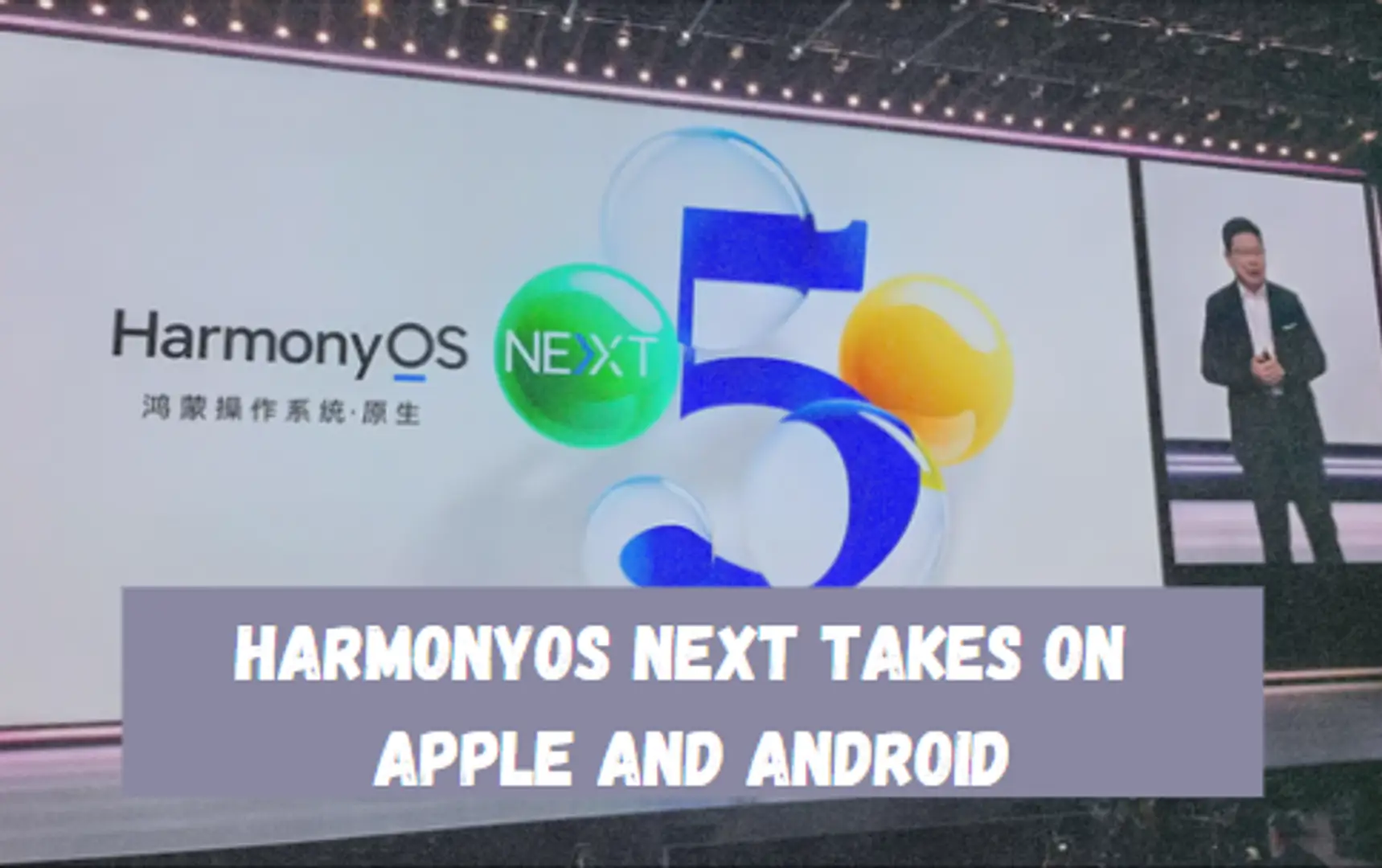
Huawei's Bold Move: HarmonyOS NEXT Takes on Apple and Android
Huawei's Bold Move: HarmonyOS NEXT Takes on Apple and Android<br>Subtitle: As Huawei unveils its Mate 70, the spotlight shifts from hardware to its revolutionary homegrown software, HarmonyOS NEXT.<br>Introduction:<br>In a world dominated by Apple’s iOS and Google’s Android, Huawei is poised to shake up the smartphone landscape with its latest release, the Mate 70. Set to launch this month, this device is not just another smartphone; it symbolizes China’s technological ambitions and its quest for self-reliance. With geopolitical tensions leading to increased scrutiny of foreign technologies, Huawei’s new homegrown operating system, HarmonyOS NEXT, represents a significant pivot away from Western-backed systems. This development not only showcases Huawei’s commitment to innovation but also highlights the growing capabilities of China's tech sector in the global arena.<br>The Importance of HarmonyOS NEXT<br>Huawei’s HarmonyOS NEXT is more than just an operating system; it is a statement of independence. The software is designed to operate seamlessly across various devices, from smartphones to smart home gadgets. By developing its own OS, Huawei aims to reduce its vulnerability to external pressures and sanctions that have hindered its access to critical technologies. The implications of this shift extend beyond Huawei, potentially influencing the broader tech ecosystem and consumers worldwide.<br>Breaking Down the Mate 70's Hardware<br>While the software is crucial, the Mate 70’s hardware will also be closely examined by tech enthusiasts. The device is expected to be powered by advanced semiconductors designed by Huawei, showcasing the company's progress in chip manufacturing. This is particularly significant as the global semiconductor landscape has been fraught with challenges, including supply chain disruptions and geopolitical tensions. The Mate 70’s chipset could signal a new era of Chinese innovation, demonstrating that Huawei is not only a player but a formidable competitor in the tech market.<br>The User Experience with HarmonyOS NEXT<br>HarmonyOS NEXT promises a user experience that rivals its Western counterparts. With features like intuitive navigation, enhanced privacy controls, and a robust app ecosystem, Huawei aims to attract users who value security and functionality. The operating system is designed to integrate with various devices, creating a cohesive ecosystem that enhances user convenience. This holistic approach could appeal to consumers looking for an alternative to the iOS and Android experience.<br>Block Quote:<br>“Huawei’s HarmonyOS represents a pivotal moment in the tech industry, showcasing China’s ability to innovate and create a self-sustaining tech ecosystem. It’s not just about hardware; the software defines the user experience and could reshape consumer preferences globally.” – Jane Doe, Tech Analyst at Global Tech Insights.<br>The Global Impact of Huawei’s Innovations<br>The launch of HarmonyOS NEXT could have far-reaching consequences for the global tech landscape. As more consumers and businesses consider alternatives to Western technologies, Huawei’s advancements could inspire other nations to invest in their own tech solutions. This shift may lead to a diversification of the smartphone market and challenge the dominance of established players like Apple and Google. Moreover, it raises questions about data sovereignty and user privacy in a landscape increasingly concerned with surveillance and security.<br>Conclusion:<br>Huawei’s Mate 70 and its accompanying HarmonyOS NEXT mark a significant milestone in the ongoing evolution of the tech industry. By leveraging its own software and hardware capabilities, Huawei is not only positioning itself as a leader in innovation but also defining a new path for tech independence. As the world watches closely, the implications of this launch will resonate far beyond the smartphone market, potentially redefining how we think about technology, sovereignty, and the future of global tech competition.<br>
As Huawei unveils its Mate 70, the spotlight shifts from hardware to its revolutionary homegrown software, HarmonyOS NEXT.<br>Introduction:<br>In a world dominated by Apple’s iOS and Google’s Android, Huawei is poised to shake up the smartphone landscape with its latest release, the Mate 70. Set to launch this month, this device is not just another smartphone; it symbolizes China’s technological ambitions and its quest for self-reliance. With geopolitical tensions leading to increased scrutiny of foreign technologies, Huawei’s new homegrown operating system, HarmonyOS NEXT, represents a significant pivot away from Western-backed systems. This development not only showcases Huawei’s commitment to innovation but also highlights the growing capabilities of China's tech sector in the global arena.<br>The Importance of HarmonyOS NEXT<br>Huawei’s HarmonyOS NEXT is more than just an operating system; it is a statement of independence. The software is designed to operate seamlessly across various devices, from smartphones to smart home gadgets. By developing its own OS, Huawei aims to reduce its vulnerability to external pressures and sanctions that have hindered its access to critical technologies. The implications of this shift extend beyond Huawei, potentially influencing the broader tech ecosystem and consumers worldwide.<br>Breaking Down the Mate 70's Hardware<br>While the software is crucial, the Mate 70’s hardware will also be closely examined by tech enthusiasts. The device is expected to be powered by advanced semiconductors designed by Huawei, showcasing the company's progress in chip manufacturing. This is particularly significant as the global semiconductor landscape has been fraught with challenges, including supply chain disruptions and geopolitical tensions. The Mate 70’s chipset could signal a new era of Chinese innovation, demonstrating that Huawei is not only a player but a formidable competitor in the tech market.<br>The User Experience with HarmonyOS NEXT<br>HarmonyOS NEXT promises a user experience that rivals its Western counterparts. With features like intuitive navigation, enhanced privacy controls, and a robust app ecosystem, Huawei aims to attract users who value security and functionality. The operating system is designed to integrate with various devices, creating a cohesive ecosystem that enhances user convenience. This holistic approach could appeal to consumers looking for an alternative to the iOS and Android experience.<br>Block Quote:<br>“Huawei’s HarmonyOS represents a pivotal moment in the tech industry, showcasing China’s ability to innovate and create a self-sustaining tech ecosystem. It’s not just about hardware; the software defines the user experience and could reshape consumer preferences globally.” – Jane Doe, Tech Analyst at Global Tech Insights.<br>The Global Impact of Huawei’s Innovations<br>The launch of HarmonyOS NEXT could have far-reaching consequences for the global tech landscape. As more consumers and businesses consider alternatives to Western technologies, Huawei’s advancements could inspire other nations to invest in their own tech solutions. This shift may lead to a diversification of the smartphone market and challenge the dominance of established players like Apple and Google. Moreover, it raises questions about data sovereignty and user privacy in a landscape increasingly concerned with surveillance and security.<br>Conclusion:<br>Huawei’s Mate 70 and its accompanying HarmonyOS NEXT mark a significant milestone in the ongoing evolution of the tech industry. By leveraging its own software and hardware capabilities, Huawei is not only positioning itself as a leader in innovation but also defining a new path for tech independence. As the world watches closely, the implications of this launch will resonate far beyond the smartphone market, potentially redefining how we think about technology, sovereignty, and the future of global tech competition.<br>
<br>In a world dominated by Apple’s iOS and Google’s Android, Huawei is poised to shake up the smartphone landscape with its latest release, the Mate 70. Set to launch this month, this device is not just another smartphone; it symbolizes China’s technological ambitions and its quest for self-reliance. With geopolitical tensions leading to increased scrutiny of foreign technologies, Huawei’s new homegrown operating system, HarmonyOS NEXT, represents a significant pivot away from Western-backed systems. This development not only showcases Huawei’s commitment to innovation but also highlights the growing capabilities of China's tech sector in the global arena.<br>The Importance of HarmonyOS NEXT<br>Huawei’s HarmonyOS NEXT is more than just an operating system; it is a statement of independence. The software is designed to operate seamlessly across various devices, from smartphones to smart home gadgets. By developing its own OS, Huawei aims to reduce its vulnerability to external pressures and sanctions that have hindered its access to critical technologies. The implications of this shift extend beyond Huawei, potentially influencing the broader tech ecosystem and consumers worldwide.<br>Breaking Down the Mate 70's Hardware<br>While the software is crucial, the Mate 70’s hardware will also be closely examined by tech enthusiasts. The device is expected to be powered by advanced semiconductors designed by Huawei, showcasing the company's progress in chip manufacturing. This is particularly significant as the global semiconductor landscape has been fraught with challenges, including supply chain disruptions and geopolitical tensions. The Mate 70’s chipset could signal a new era of Chinese innovation, demonstrating that Huawei is not only a player but a formidable competitor in the tech market.<br>The User Experience with HarmonyOS NEXT<br>HarmonyOS NEXT promises a user experience that rivals its Western counterparts. With features like intuitive navigation, enhanced privacy controls, and a robust app ecosystem, Huawei aims to attract users who value security and functionality. The operating system is designed to integrate with various devices, creating a cohesive ecosystem that enhances user convenience. This holistic approach could appeal to consumers looking for an alternative to the iOS and Android experience.<br>Block Quote:<br>“Huawei’s HarmonyOS represents a pivotal moment in the tech industry, showcasing China’s ability to innovate and create a self-sustaining tech ecosystem. It’s not just about hardware; the software defines the user experience and could reshape consumer preferences globally.” – Jane Doe, Tech Analyst at Global Tech Insights.<br>The Global Impact of Huawei’s Innovations<br>The launch of HarmonyOS NEXT could have far-reaching consequences for the global tech landscape. As more consumers and businesses consider alternatives to Western technologies, Huawei’s advancements could inspire other nations to invest in their own tech solutions. This shift may lead to a diversification of the smartphone market and challenge the dominance of established players like Apple and Google. Moreover, it raises questions about data sovereignty and user privacy in a landscape increasingly concerned with surveillance and security.<br>Conclusion:<br>Huawei’s Mate 70 and its accompanying HarmonyOS NEXT mark a significant milestone in the ongoing evolution of the tech industry. By leveraging its own software and hardware capabilities, Huawei is not only positioning itself as a leader in innovation but also defining a new path for tech independence. As the world watches closely, the implications of this launch will resonate far beyond the smartphone market, potentially redefining how we think about technology, sovereignty, and the future of global tech competition.<br>
<br>Huawei’s Mate 70 and its accompanying HarmonyOS NEXT mark a significant milestone in the ongoing evolution of the tech industry. By leveraging its own software and hardware capabilities, Huawei is not only positioning itself as a leader in innovation but also defining a new path for tech independence. As the world watches closely, the implications of this launch will resonate far beyond the smartphone market, potentially redefining how we think about technology, sovereignty, and the future of global tech competition.<br>
Related Posts
© 2025 Invastor. All Rights Reserved
User Comments