
Ai Content Generator
Ai Picture
Tell Your Story

.webp&w=256&q=75) Celebrity Scoop
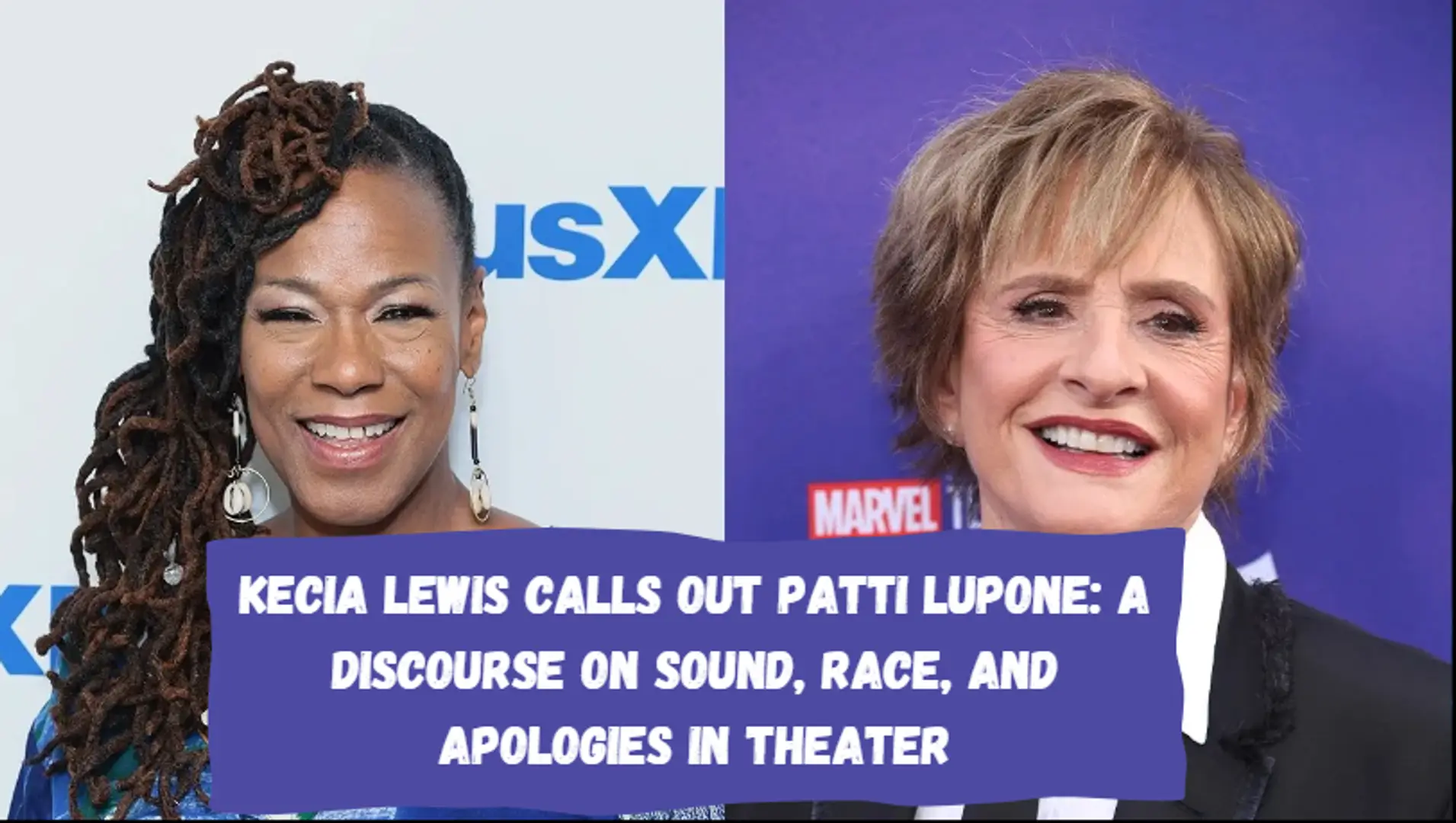
Celebrity ScoopKecia Lewis Calls Out Patti LuPone: A Discourse on Sound, Race, and Apologies in Theater
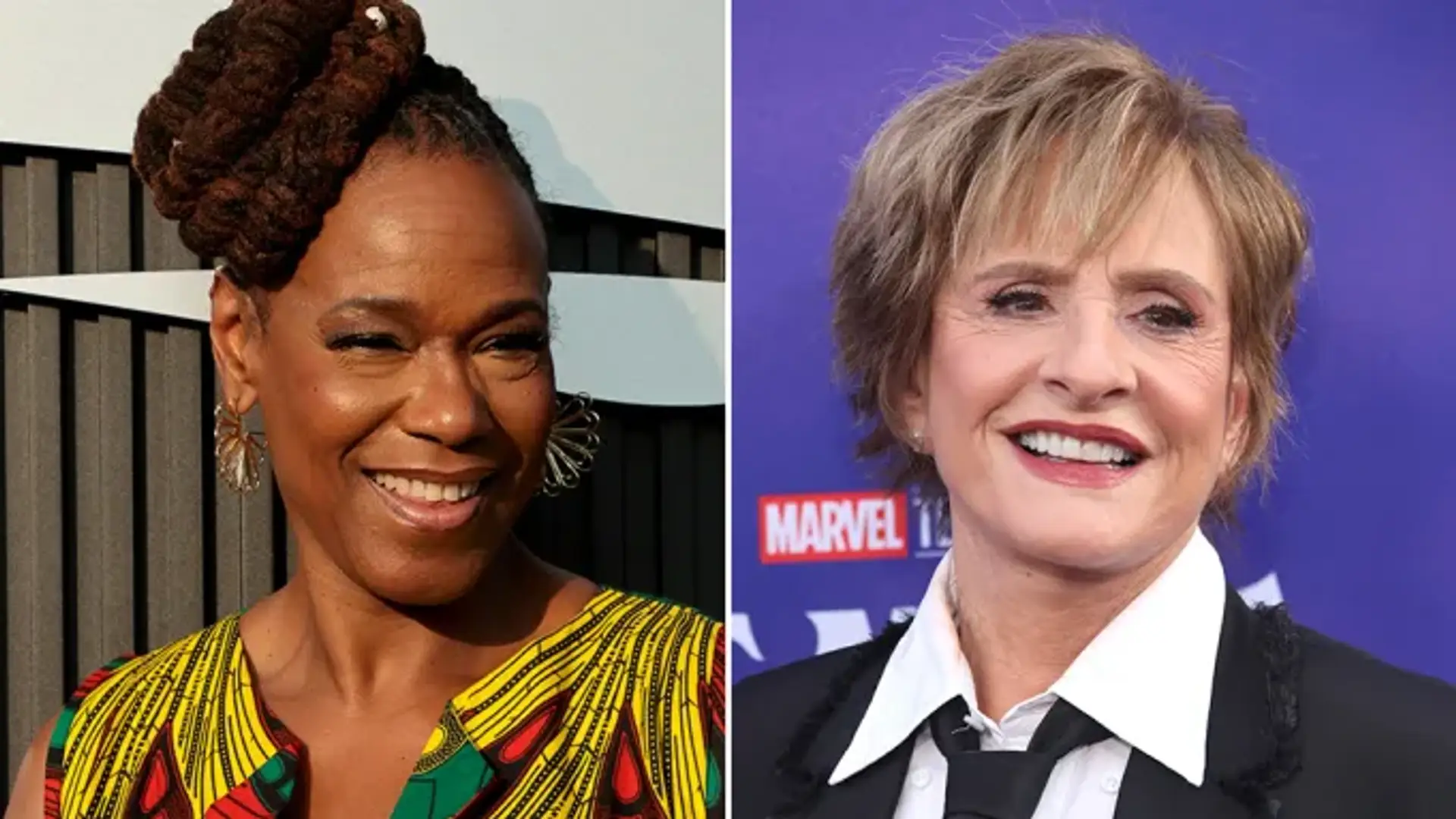
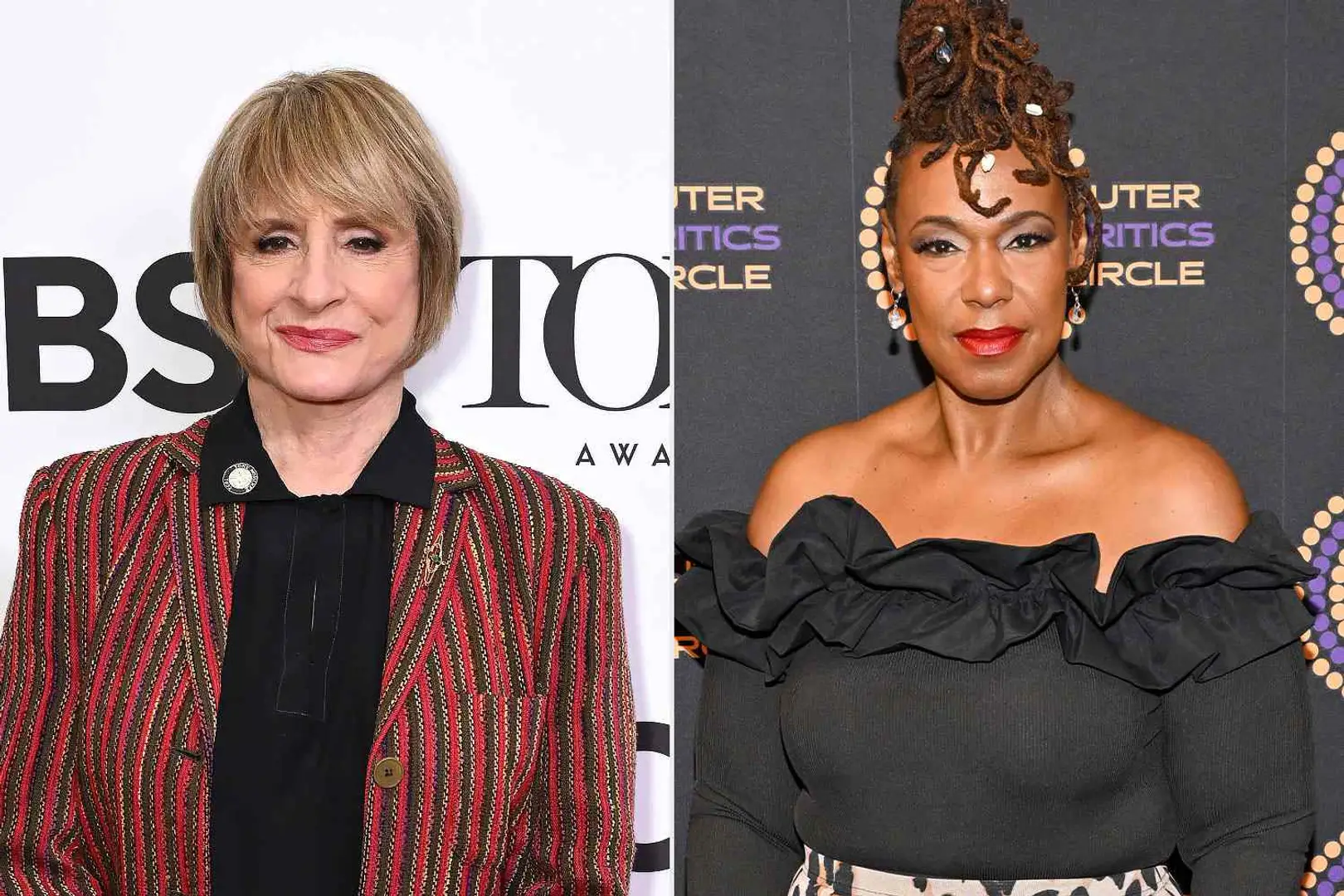
Kecia Lewis Calls Out Patti LuPone: A Discourse on Sound, Race, and Apologies in Theater<br>Subtitle: Hell's Kitchen Star Demands an Apology from Broadway Legend for Racial Microaggressions<br>Introduction:<br>In the vibrant world of theater, where artistry and expression intertwine, conflicts can arise that highlight deeper societal issues. Recently, a significant controversy erupted when Kecia Lewis, a Tony-winning star of Hell’s Kitchen, publicly confronted Broadway icon Patti LuPone over comments the latter made regarding the show’s sound levels. LuPone described the production as “too loud,” prompting Lewis to label these remarks as “racially microaggressive” and rooted in privilege. This incident not only raises questions about artistic expression but also illuminates the ongoing discourse surrounding race and privilege within the arts.<br>---<br>The Incident Unfolds<br>In a candid five-minute video shared on social media, Kecia Lewis expressed her displeasure with LuPone's remarks, stating that they were offensive and rude. Lewis emphasized that her comments were her own and did not represent the views of her castmates or the production team. She recounted how LuPone had reached out to the theater's owner to address her concerns about the sound cues, insisting that they be altered because they were “too loud.” <br>Lewis’ reaction underscores a growing sensitivity to how language and criticism can reflect deeper biases, especially in spaces where representation is already an issue. <br>---<br>Understanding Racial Microaggressions<br>Microaggressions are subtle, often unintentional, comments or behaviors that can perpetuate stereotypes or reinforce systemic inequalities. In this instance, Lewis argued that LuPone's remarks exemplified a disregard for the unique cultural expressions that Hell’s Kitchen represents. By labeling the show as “too loud,” Lewis posited that LuPone was not only critiquing the sound but also the vibrancy and authenticity of a performance rooted in diverse narratives.<br>---<br>The Call for Accountability<br>Lewis is not merely asking for an apology; she is advocating for awareness and change within the theater community. “We need to create a space for dialogue about how we critique art created by marginalized communities,” Lewis stated. Her call for accountability reflects a broader movement within the arts to address issues of representation and privilege, urging established figures to be more mindful of their words and their impact.<br>---<br>Block Quote:<br>In discussing the importance of understanding microaggressions, Dr. Derald Wing Sue, a leading expert on the topic, states: <br>> “Microaggressions are often the everyday slights, insults, and invalidations that people of color experience. They are not just about intent but about impact.” <br>This perspective reinforces Lewis’ argument that LuPone's comments, regardless of intention, can have a harmful effect on the perception of art created by and for marginalized groups.<br>---<br>Conclusion:<br>The exchange between Kecia Lewis and Patti LuPone serves as a poignant reminder of the complexities inherent in artistic expression and critique. As the theater community continues to evolve, it is crucial for artists, especially those in positions of influence, to engage in thoughtful reflection about their words and actions. An apology from LuPone may not only serve as an acknowledgment of her misstep but also as a step towards fostering a more inclusive and understanding environment within the arts. As conversations about race, privilege, and representation persist, the hope is that they lead to greater empathy and respect in all creative endeavors.<br>
Hell's Kitchen Star Demands an Apology from Broadway Legend for Racial Microaggressions<br>Introduction:<br>In the vibrant world of theater, where artistry and expression intertwine, conflicts can arise that highlight deeper societal issues. Recently, a significant controversy erupted when Kecia Lewis, a Tony-winning star of Hell’s Kitchen, publicly confronted Broadway icon Patti LuPone over comments the latter made regarding the show’s sound levels. LuPone described the production as “too loud,” prompting Lewis to label these remarks as “racially microaggressive” and rooted in privilege. This incident not only raises questions about artistic expression but also illuminates the ongoing discourse surrounding race and privilege within the arts.<br>---<br>The Incident Unfolds<br>In a candid five-minute video shared on social media, Kecia Lewis expressed her displeasure with LuPone's remarks, stating that they were offensive and rude. Lewis emphasized that her comments were her own and did not represent the views of her castmates or the production team. She recounted how LuPone had reached out to the theater's owner to address her concerns about the sound cues, insisting that they be altered because they were “too loud.” <br>Lewis’ reaction underscores a growing sensitivity to how language and criticism can reflect deeper biases, especially in spaces where representation is already an issue. <br>---<br>Understanding Racial Microaggressions<br>Microaggressions are subtle, often unintentional, comments or behaviors that can perpetuate stereotypes or reinforce systemic inequalities. In this instance, Lewis argued that LuPone's remarks exemplified a disregard for the unique cultural expressions that Hell’s Kitchen represents. By labeling the show as “too loud,” Lewis posited that LuPone was not only critiquing the sound but also the vibrancy and authenticity of a performance rooted in diverse narratives.<br>---<br>The Call for Accountability<br>Lewis is not merely asking for an apology; she is advocating for awareness and change within the theater community. “We need to create a space for dialogue about how we critique art created by marginalized communities,” Lewis stated. Her call for accountability reflects a broader movement within the arts to address issues of representation and privilege, urging established figures to be more mindful of their words and their impact.<br>---<br>Block Quote:<br>In discussing the importance of understanding microaggressions, Dr. Derald Wing Sue, a leading expert on the topic, states: <br>> “Microaggressions are often the everyday slights, insults, and invalidations that people of color experience. They are not just about intent but about impact.” <br>This perspective reinforces Lewis’ argument that LuPone's comments, regardless of intention, can have a harmful effect on the perception of art created by and for marginalized groups.<br>---<br>Conclusion:<br>The exchange between Kecia Lewis and Patti LuPone serves as a poignant reminder of the complexities inherent in artistic expression and critique. As the theater community continues to evolve, it is crucial for artists, especially those in positions of influence, to engage in thoughtful reflection about their words and actions. An apology from LuPone may not only serve as an acknowledgment of her misstep but also as a step towards fostering a more inclusive and understanding environment within the arts. As conversations about race, privilege, and representation persist, the hope is that they lead to greater empathy and respect in all creative endeavors.<br>
<br>In the vibrant world of theater, where artistry and expression intertwine, conflicts can arise that highlight deeper societal issues. Recently, a significant controversy erupted when Kecia Lewis, a Tony-winning star of Hell’s Kitchen, publicly confronted Broadway icon Patti LuPone over comments the latter made regarding the show’s sound levels. LuPone described the production as “too loud,” prompting Lewis to label these remarks as “racially microaggressive” and rooted in privilege. This incident not only raises questions about artistic expression but also illuminates the ongoing discourse surrounding race and privilege within the arts.<br>---<br>The Incident Unfolds<br>In a candid five-minute video shared on social media, Kecia Lewis expressed her displeasure with LuPone's remarks, stating that they were offensive and rude. Lewis emphasized that her comments were her own and did not represent the views of her castmates or the production team. She recounted how LuPone had reached out to the theater's owner to address her concerns about the sound cues, insisting that they be altered because they were “too loud.” <br>Lewis’ reaction underscores a growing sensitivity to how language and criticism can reflect deeper biases, especially in spaces where representation is already an issue. <br>---<br>Understanding Racial Microaggressions<br>Microaggressions are subtle, often unintentional, comments or behaviors that can perpetuate stereotypes or reinforce systemic inequalities. In this instance, Lewis argued that LuPone's remarks exemplified a disregard for the unique cultural expressions that Hell’s Kitchen represents. By labeling the show as “too loud,” Lewis posited that LuPone was not only critiquing the sound but also the vibrancy and authenticity of a performance rooted in diverse narratives.<br>---<br>The Call for Accountability<br>Lewis is not merely asking for an apology; she is advocating for awareness and change within the theater community. “We need to create a space for dialogue about how we critique art created by marginalized communities,” Lewis stated. Her call for accountability reflects a broader movement within the arts to address issues of representation and privilege, urging established figures to be more mindful of their words and their impact.<br>---<br>Block Quote:<br>In discussing the importance of understanding microaggressions, Dr. Derald Wing Sue, a leading expert on the topic, states: <br>> “Microaggressions are often the everyday slights, insults, and invalidations that people of color experience. They are not just about intent but about impact.” <br>This perspective reinforces Lewis’ argument that LuPone's comments, regardless of intention, can have a harmful effect on the perception of art created by and for marginalized groups.<br>---<br>Conclusion:<br>The exchange between Kecia Lewis and Patti LuPone serves as a poignant reminder of the complexities inherent in artistic expression and critique. As the theater community continues to evolve, it is crucial for artists, especially those in positions of influence, to engage in thoughtful reflection about their words and actions. An apology from LuPone may not only serve as an acknowledgment of her misstep but also as a step towards fostering a more inclusive and understanding environment within the arts. As conversations about race, privilege, and representation persist, the hope is that they lead to greater empathy and respect in all creative endeavors.<br>
<br>The exchange between Kecia Lewis and Patti LuPone serves as a poignant reminder of the complexities inherent in artistic expression and critique. As the theater community continues to evolve, it is crucial for artists, especially those in positions of influence, to engage in thoughtful reflection about their words and actions. An apology from LuPone may not only serve as an acknowledgment of her misstep but also as a step towards fostering a more inclusive and understanding environment within the arts. As conversations about race, privilege, and representation persist, the hope is that they lead to greater empathy and respect in all creative endeavors.<br>
Related Posts
© 2025 Invastor. All Rights Reserved
User Comments