
All
Ai Content Generator
Ai Picture
Tell Your Story

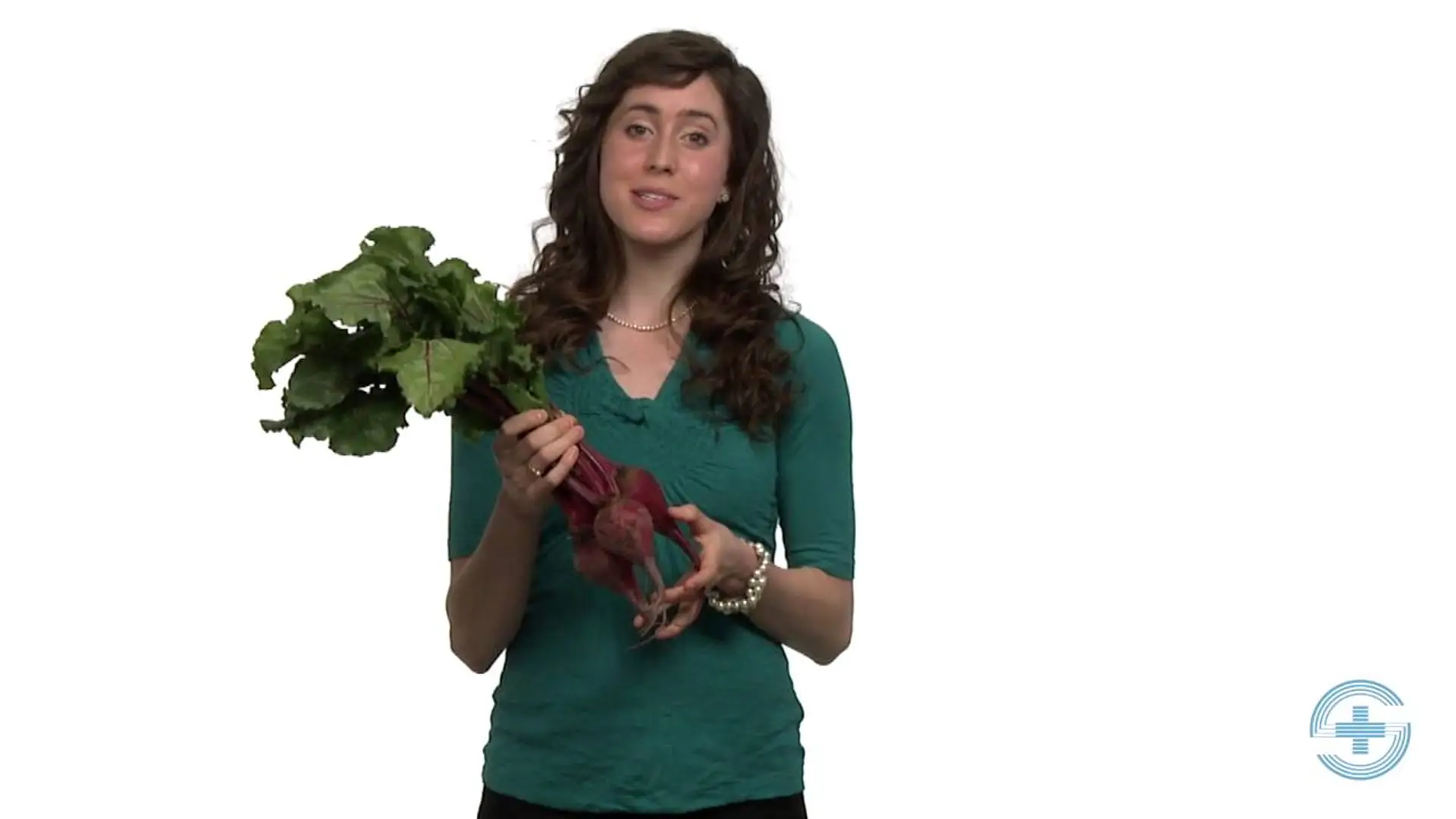
 Active Lifestyle
Whole Foods vs. Processed Foods – A Comparison by Ellie Freeman
Whole Foods vs. Processed Foods – A Comparison by Ellie Freeman
Whole Foods
Overview
- Definition: Foods that are minimally processed and free from artificial ingredients and additives.
- Examples: Fresh fruits, vegetables, whole grains, nuts, seeds, and legumes.
Pros
- Nutrient-Dense: Whole foods are rich in essential vitamins, minerals, fiber, and antioxidants that support overall health.
- Better Satiety: High fiber content promotes fullness, helping with weight management and reducing overeating.
- Reduced Risk of Chronic Diseases: A diet rich in whole foods is associated with lower risks of heart disease, diabetes, and certain cancers.
Cons
- Shorter Shelf Life: Whole foods tend to spoil faster, which can lead to waste if not consumed in time.
- Preparation Time: Often require more time and effort to prepare compared to convenience foods.
- Higher Initial Cost: Fresh produce and organic whole foods may be more expensive upfront, depending on location and availability.
Processed Foods
Overview
- Definition: Foods that have been altered from their original form through techniques like canning, freezing, or adding preservatives.
- Examples: Canned vegetables, frozen meals, snacks, and sugary cereals.
Pros
- Convenience: Processed foods are often ready-to-eat or quick to prepare, making them time-savers for busy lifestyles.
- Extended Shelf Life: Many processed foods last longer, reducing waste and allowing for bulk purchasing.
- Variety and Flavor: Often enhanced with flavors and seasonings, providing a diverse range of options.
Cons
- Lower Nutritional Value: Many processed foods contain added sugars, unhealthy fats, and sodium, lacking essential nutrients.
- Potential Health Risks: High consumption of processed foods is linked to obesity, heart disease, and other health issues.
- Additives and Preservatives: May contain artificial ingredients that can negatively affect health over time.
Conclusion
Choosing between Whole Foods and Processed Foods significantly impacts overall health and well-being. Whole Foods offer a wealth of nutrients and health benefits, making them ideal for a balanced diet. However, they require more preparation and can have a shorter shelf life.
On the other hand, Processed Foods provide convenience and variety but often come with lower nutritional value and potential health risks. The best approach is to prioritize whole foods while incorporating processed options in moderation when convenience is necessary. Striving for a balanced diet that emphasizes whole foods can lead to better health outcomes and enhance overall quality of life.
Related Posts
© 2025 Invastor. All Rights Reserved
User Comments