
Ai Content Generator
Ai Picture
Tell Your Story

 Robert Barrett
Holiday Stress Is Real—Here’s How ESAs Help Millions Get Through the Season
Holiday Stress Is Real—Here’s How ESAs Help Millions Get Through the Season
The holidays are supposed to be joyful. Lights go up, calendars fill, families gather, and social feeds overflow with images of warmth and celebration. Yet for millions of people, the season quietly amplifies stress, anxiety, loneliness, and emotional exhaustion.
Financial pressure, family dynamics, grief, disrupted routines, and unrealistic expectations collide all at once. For those already managing anxiety, depression, PTSD, or other Mental disorders, the holidays can feel less like a celebration and more like an endurance test.
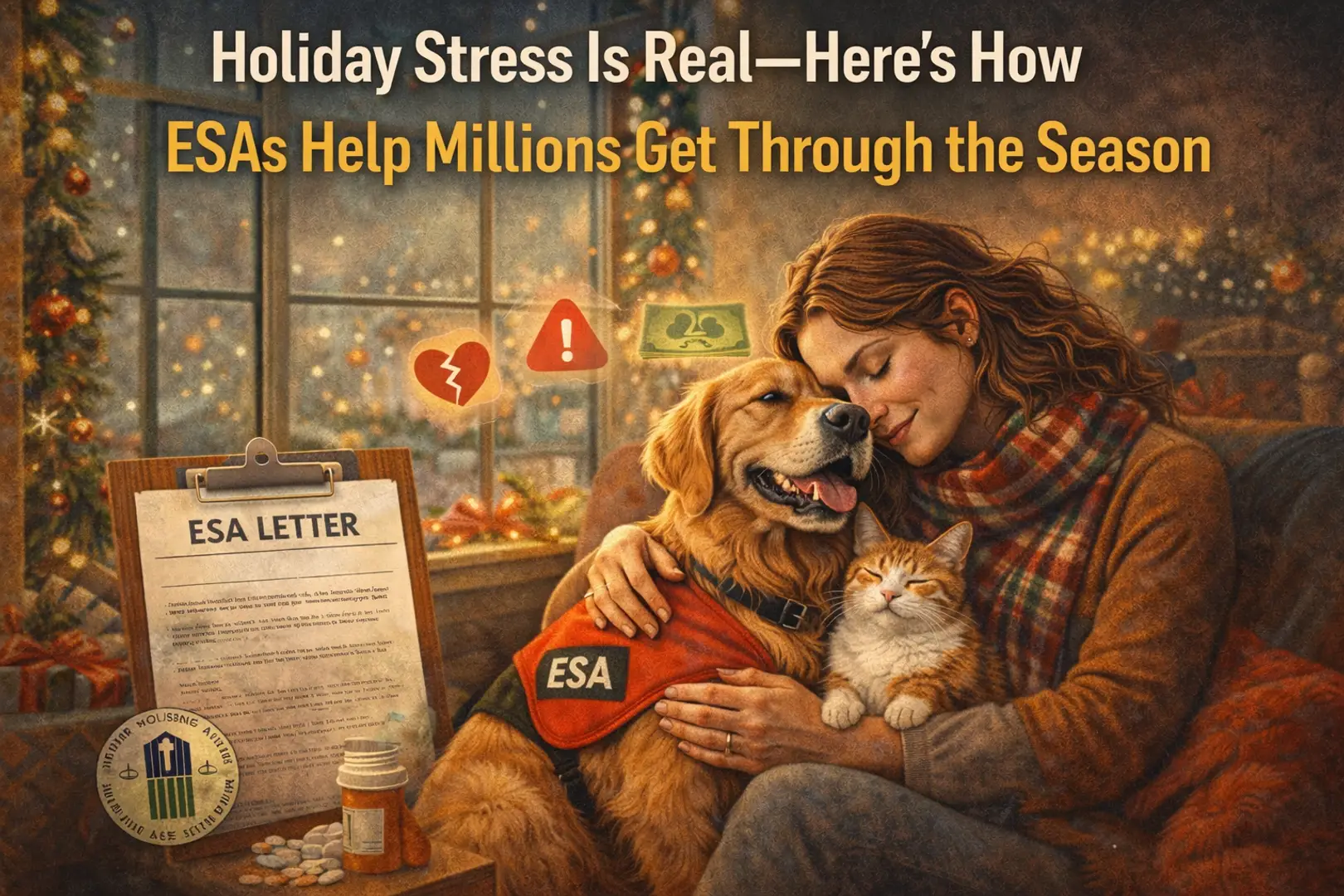
In recent years, emotional support animals have become an increasingly important source of comfort during this period. Not as a trend or indulgence, but as a stabilizing presence when emotional resilience runs thin. Behind every ESA Letter during the holiday season is a story of someone simply trying to get through it with their mental health intact.
This is the quieter side of the holidays—and how ESAs are helping millions navigate it.
The Hidden Weight of Holiday Stress
Seasonal stress is not imagined. Mental health professionals consistently report spikes in anxiety, depressive symptoms, and emotional distress between November and January. The reasons are complex and deeply personal.
Common holiday stressors include:
• Financial strain from gifts, travel, and time off
• Family conflict or strained relationships
• Loneliness or isolation, especially for those living alone
• Grief triggered by anniversaries and memories
• Pressure to appear cheerful despite internal distress
For many people, the holidays disrupt routines that normally help manage symptoms. Sleep schedules change. Exercise declines. Alcohol consumption increases. Quiet moments disappear.
Those managing chronic stress or trauma often feel this disruption most intensely. Veterans, students, remote workers, and young renters are especially vulnerable during this time of year.
Why Emotional Support Animals Matter More During the Holidays
Animal companionship has long been associated with emotional well-being, but during high-stress seasons, that support becomes more critical. Emotional support animals provide something the holidays often lack: consistency.
ESAs help by:
• Offering grounding during anxiety spikes
• Encouraging daily routines when schedules collapse
• Reducing feelings of loneliness and isolation
• Providing emotional presence without judgment
• Supporting sleep and emotional regulation
For someone overwhelmed by holiday obligations or quietly struggling with grief, an Emotional Support Cat curled up nearby or a dog nudging them outside for fresh air can make the difference between spiraling and coping.
This is not about replacing therapy or medical care. It is about daily emotional regulation when external stress is at its peak.
Seasonal Stress and Housing Stability
The holidays are also one of the most unstable times for renters. Lease renewals, temporary travel, sublets, family visits, and roommate changes are common—and all can introduce housing conflict.
For tenants with emotional support animals, this instability often collides with outdated pet policies. Even well-meaning landlords may misunderstand ESA rights, especially during busy end-of-year periods.
Understanding ESA Laws is essential during the holidays. ESAs are housing accommodations, not pets, and landlords cannot charge pet fees, enforce breed restrictions, or deny housing when proper documentation exists.
This protection matters most during stressful seasons, when housing disruptions can intensify mental health symptoms.
Why Documentation Matters During the Holidays
Holiday stress has a way of magnifying small problems into major crises. Housing disputes are no exception.
Tenants who delay obtaining documentation often find themselves scrambling at the worst possible time—right before travel, family visits, or lease transitions. That pressure can be avoided with preparation.
Using an esa letter checklist ensures that documentation includes:
• Licensed mental health provider credentials
• Clear disability-related need language
• Compliance with state and federal requirements
• Professional formatting landlords recognize
RealESALetter.com emphasizes clinical legitimacy and legal compliance, helping prevent disputes that can destabilize housing during already stressful periods.
Saving Money When Every Dollar Counts
The holidays are expensive. Between gifts, travel, and higher utility bills, many households feel financially stretched. For renters, pet fees can quietly add hundreds or even thousands of dollars per year.
A valid ESA accommodation eliminates pet rent, pet deposits, and pet fees—relief that can meaningfully reduce financial stress during the holidays. Many renters underestimate this benefit.
Resources explaining saving moeny with esa letters highlight how proper documentation protects both mental health and financial stability, especially during high-cost seasons.
Traveling for the Holidays: Housing vs. Airlines
Holiday travel introduces another layer of confusion around emotional support animals. While American Airlines' rules changed years ago, housing protections remain intact.
ESAs do not have public access rights and are no longer recognized by airlines for in-cabin travel. However, they remain fully protected in housing—including short-term rentals and extended stays.
Remote workers visiting family, students returning home, or individuals staying in temporary housing during the holidays must understand the difference.
Those who require task-trained assistance for psychiatric conditions may need a PSD Letter instead, depending on their needs. Emotional support animals serve a different, but equally important, role.
Veterans and Holiday PTSD Triggers
For veterans, the holidays can intensify PTSD symptoms. Loud gatherings, fireworks, alcohol-heavy environments, and disrupted routines can trigger anxiety, hypervigilance, and emotional withdrawal.
Emotional support animals have become a quiet but powerful tool for many veterans managing holiday stress. As explored in How ESAs Are Quietly Helping Veterans Manage PTSD, ESAs provide grounding and emotional safety during times when symptoms are most likely to flare.
This support is especially important when access to consistent care is limited due to travel or holiday schedules.
Shared Housing and Holiday Tension
The holidays often bring guests, schedule changes, and increased time at home—all of which can strain shared living arrangements.
For tenants with ESAs, proactive communication is essential. Misunderstandings about responsibilities, space, or animal care can escalate quickly during stressful periods.
An ESA roomate agreement helps establish expectations clearly, protecting relationships and reducing conflict during a time when emotional capacity may already be stretched.
The Certification Myth Resurfaces Every Holiday
Holiday stress makes people vulnerable to quick fixes. This is when misleading advertisements for ESA “registrations” and “certifications” surge.
There is no official ESA registry. ID cards and certificates have no legal standing and can weaken a tenant’s position during disputes.
Educational resources explaining Emotional Support Dog Certification help people avoid scams and focus on what actually matters: legitimate evaluation and proper documentation.
State Laws and Seasonal Moves
The holidays are one of the most common times people move temporarily or permanently. State laws can affect ESA documentation requirements, especially for those relocating.
Reviewing ESA By States ensures compliance with local regulations and prevents last-minute surprises during an already busy season.
This is particularly important for students, remote workers, and families transitioning between housing arrangements.
The Emotional Power of Routine During the Holidays
One of the most overlooked benefits of ESAs during the holidays is routine. Feeding schedules, walks, litter box maintenance, and playtime anchor days that might otherwise blur together.
That structure supports emotional regulation when external routines disappear. For many people, ESAs are the reason they get out of bed, step outside, or pause during overwhelming moments.
This quiet, consistent support is why emotional support animals are not seasonal comforts—they are year-round mental health tools that become especially visible during high-stress periods.
A Warmer Way Through the Season
The holidays do not have to be perfect to be meaningful. For many people, survival is the goal—and that is okay. Emotional support animals offer presence, comfort, and grounding when expectations run high and emotional reserves run low. They help millions get through the season not by erasing stress, but by making it manageable.
RealESALetter.com’s experience reflects this reality. Many applicants seek ESA documentation during the holidays not out of convenience, but out of necessity—to protect housing stability, mental health, and emotional balance when it matters most.
As the season unfolds, it is worth remembering that support comes in many forms. Sometimes, it comes with fur, quiet companionship, and the simple reminder that you are not alone.
Related Posts
© 2026 Invastor. All Rights Reserved
User Comments