
Ai Content Generator
Ai Picture
Tell Your Story

 Tony Ngari
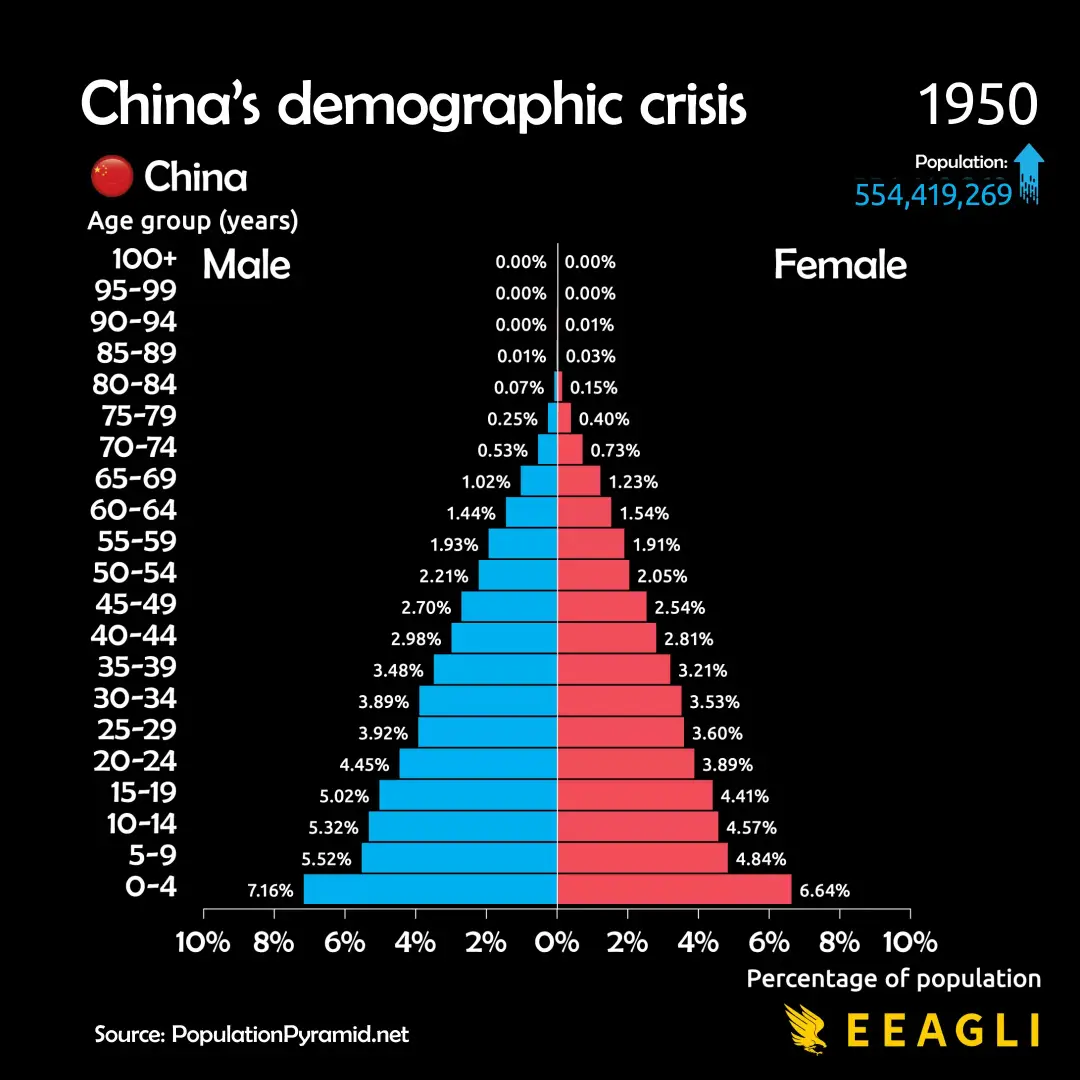
China to cover all child birth related costs in 2026 including prenatal care.
In a significant policy shift, the Chinese government has announced plans to cover all childbirth-related costs by the year 2026. This initiative aims to alleviate the financial burden on families and encourage higher birth rates amid a declining population trend. The comprehensive coverage will include prenatal care, delivery expenses, and postnatal care, thereby promoting a healthier environment for mothers and their newborns.
Context and Rationale
China has faced demographic challenges in recent years, including an aging population and declining birth rates. The National Bureau of Statistics reported that the birth rate dropped to 1.3 children per woman in 2020, significantly below the replacement level of 2.1. This demographic shift poses risks to economic growth and social stability, prompting the government to take action.
By covering all childbirth-related costs, the Chinese government aims to reduce the financial barriers that often discourage families from having more children. This policy is expected to not only increase birth rates but also improve maternal and infant health outcomes.
Components of Coverage
- Prenatal Care: Comprehensive prenatal services will be provided, including regular check-ups, ultrasound scans, blood tests, and nutritional counseling. For example, women will have access to essential screenings that help in early detection of complications.
- Delivery Costs: Hospital delivery fees, which can be a significant expense, will be fully covered. This includes costs associated with both natural births and cesarean sections, allowing families to choose the safest option without financial concern.
- Postnatal Care: Following childbirth, mothers will receive care that includes check-ups, mental health support, and breastfeeding assistance. This holistic approach ensures that both mother and baby receive the necessary care during the critical early months.
Examples from Other Countries
Several countries have implemented similar policies with positive outcomes. For instance, Sweden offers extensive parental leave and subsidized childcare, which has contributed to one of the highest birth rates in Europe. Similarly, South Korea has introduced financial incentives for families, including direct payments and subsidized healthcare, to combat its low birth rate.
Anticipated Impact
Experts believe that this policy could lead to a significant increase in birth rates. A study by the RAND Corporation suggests that financial support during pregnancy and childbirth can positively influence family planning decisions. By reducing the economic strain, families may feel more comfortable expanding their households.
Furthermore, this initiative may also contribute to improved maternal and infant health metrics. Research indicates that comprehensive prenatal care is associated with lower rates of complications and better health outcomes for both mothers and babies.
Conclusion
China's decision to cover all childbirth-related costs by 2026 is a proactive measure to address pressing demographic challenges. By ensuring that families have access to comprehensive prenatal, delivery, and postnatal care without financial burden, the government aims to foster a supportive environment for child-rearing. As this policy rolls out, it will be crucial to monitor its impact on birth rates and health outcomes, potentially serving as a model for other nations facing similar demographic issues.
Photo credit: Population pyramid.
Related Posts
© 2025 Invastor. All Rights Reserved
User Comments