
Ai Content Generator
Ai Picture
Tell Your Story

 Keira Hanry
A Practical Guide to Choosing the Right Commercial Roofing Solutions in San Antonio
A commercial roof does more than protect a building—it safeguards employees, customers, inventory, and long-term business operations. In San Antonio, where the climate can shift dramatically from blistering heat to intense storms, the demands placed on commercial roofing systems are even higher. Property managers and business owners must balance durability, energy performance, budget constraints, and maintenance requirements when selecting or caring for a roof.
Whether your building’s roof is aging, showing signs of damage, or you're planning a new installation, this guide explains what San Antonio businesses should know about materials, maintenance, inspections, and contractor selection.
Why Commercial Roofing in San Antonio Requires Special Consideration
Commercial structures often have larger surfaces, flatter slopes, and more complex drainage systems than residential homes. Combined with San Antonio’s climate, these factors require a thoughtful approach.
Heat and UV Stress
Large flat roofs absorb significant heat. UV exposure can cause membranes to dry out or crack, especially if the roof lacks proper reflective coatings.
Storm Activity and Wind Uplift
Thunderstorms and hail can compromise seams, puncture membranes, or loosen fasteners. Wind uplift is a particular concern on wide-span roofs.
Drainage Challenges
Flat or low-slope roofs depend on carefully designed drainage points. When drains clog, water pooling can accelerate deterioration or cause structural damage.
Foot Traffic
Commercial roofs often hold HVAC systems, communication equipment, or other utilities. Regular foot traffic increases wear in specific areas and requires more robust protection.
Understanding these forces helps businesses invest in roofing systems built for real-world conditions—not ideal scenarios.
Common Commercial Roofing Systems Used in San Antonio
Different facilities have different needs. Knowing the most popular options helps decision-makers compare durability, cost, and maintenance requirements.
TPO (Thermoplastic Polyolefin)
One of the most widely used materials for modern commercial buildings. TPO is known for:
- High reflectivity for energy efficiency
- Strong seam weldability
- Affordable installation costs
- Heat and UV resistance
Ideal for warehouses, retail buildings, and multi-use properties.
PVC (Polyvinyl Chloride)
PVC roofing offers excellent chemical and grease resistance, making it suitable for restaurants or facilities with exhaust systems. It also performs well in high-heat environments.
Modified Bitumen
A multi-layer asphalt-based system that provides strong durability and flexibility. Often used for older buildings or those needing a tough, puncture-resistant surface.
EPDM (Rubber Roofing)
Known for longevity, EPDM is a durable option for large flat roofs. While not as reflective as TPO or PVC, it handles temperature variations well.
Metal Roofing
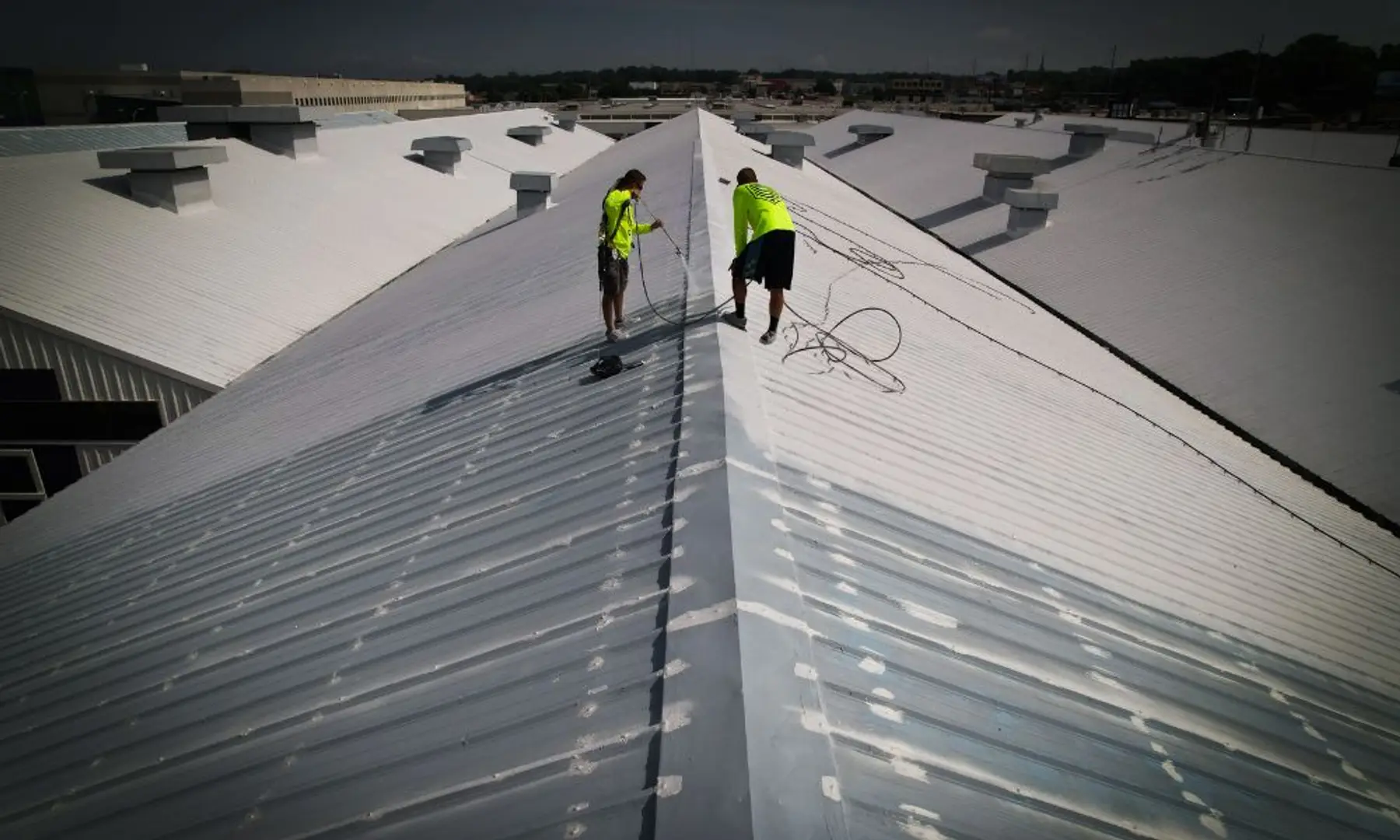
Commercial metal systems provide impressive lifespan, fire resistance, and energy efficiency. They are popular for industrial buildings and structures with moderate slopes.
Each material has advantages depending on the building’s purpose, budget, and energy goals.
Signs Your Commercial Roof Needs Attention
Commercial roof failures often start subtly but escalate quickly. Regular inspections are essential, especially after major storms.
Common Red Flags
- Ponding water remaining 48+ hours after rainfall
- Cracks, splits, or blisters in the membrane
- Loose seams or lifting edges
- Interior leaks or ceiling stains
- Rust on metal components
- Mold, odor, or excessive humidity inside the building
- Increased energy bills due to heat absorption or insulation issues
Addressing these signs early can prevent shutdowns, inventory damage, or costly emergency repairs.
Maintenance Strategies That Extend Roof Life
Commercial roofs are long-term assets. A proactive maintenance plan can add years to their service life and reduce unexpected expenses.
Essential Maintenance Steps
- Seasonal Inspections
- Inspect the roof at least twice a year plus after major storms.
- Drain Cleaning
- One of the most important tasks. Clear drains and scuppers prevent water pooling.
- Debris Removal
- Branches, leaves, and trash can trap moisture and degrade membranes.
- HVAC Checkpoints
- Ensure technicians avoid damaging the roof during equipment service.
- Surface Repairs
- Patch small punctures, reseal seams, and reinforce worn paths immediately.
- Apply Reflective Coatings When Needed
- Coatings can improve energy performance and extend the life of older systems.
These efforts help maximize ROI and reduce downtime risks.
Choosing the Right Contractor for Commercial Roofing Work
A commercial roofing project is more complex than a residential job. The contractor you select should demonstrate experience, planning capability, safety compliance, and familiarity with large-scale roofing systems.
What to Look For
- Proven experience with commercial facilities of similar size and structure
- Knowledge of San Antonio’s weather patterns and appropriate material choices
- Clear, itemized proposals outlining scope, timelines, materials, safety, and warranties
- Proper licensing and insurance for commercial work
- Ability to work around business operations with minimal disruption
- Long-term maintenance plans and ongoing support
Reliable contractors should also provide roof condition reports, photos, and proactive recommendations—not just reactive fixes.
For businesses beginning their research on service options, exploring trusted providers for commercial roofing San Antonio can help clarify which systems, maintenance plans, or repair strategies best match their building’s needs.
How to Prepare Your Building Before Roofing Work Begins
A bit of preparation can help prevent delays and protect assets.
- Inform employees and tenants of schedule changes
- Secure sensitive equipment or inventory near potential leak points
- Mark access areas for the roofing crew
- Coordinate HVAC shutdowns if needed
- Clear parking spaces for materials and dumpsters
- Review safety protocols for rooftop utilities
These small actions streamline the project and ensure smooth communication.
Final Thoughts
A durable, well-maintained commercial roof supports long-term business stability. In San Antonio, where heat, storms, and heavy UV exposure place extra strain on roofing systems, choosing the right materials, contractor, and maintenance approach is essential. Proactive planning helps businesses avoid operational disruptions and costly emergency repairs.
By understanding the unique demands of commercial roofing in the region and partnering with a skilled local expert, property owners can protect their investment and ensure their facilities remain safe, efficient, and resilient for years to come.
Related Posts
© 2025 Invastor. All Rights Reserved
User Comments