
Ai Content Generator
Ai Picture
Tell Your Story

 Health Lab
Can Peptides Help Remove Senescent Cells?
Can Peptides Help Remove Senescent Cells? What People Commonly Discuss
Senescent cells — often called “zombie cells” — have been gaining attention in longevity, anti-aging, and cellular health communities. Naturally, this raises the question:
Can peptides help remove senescent cells?
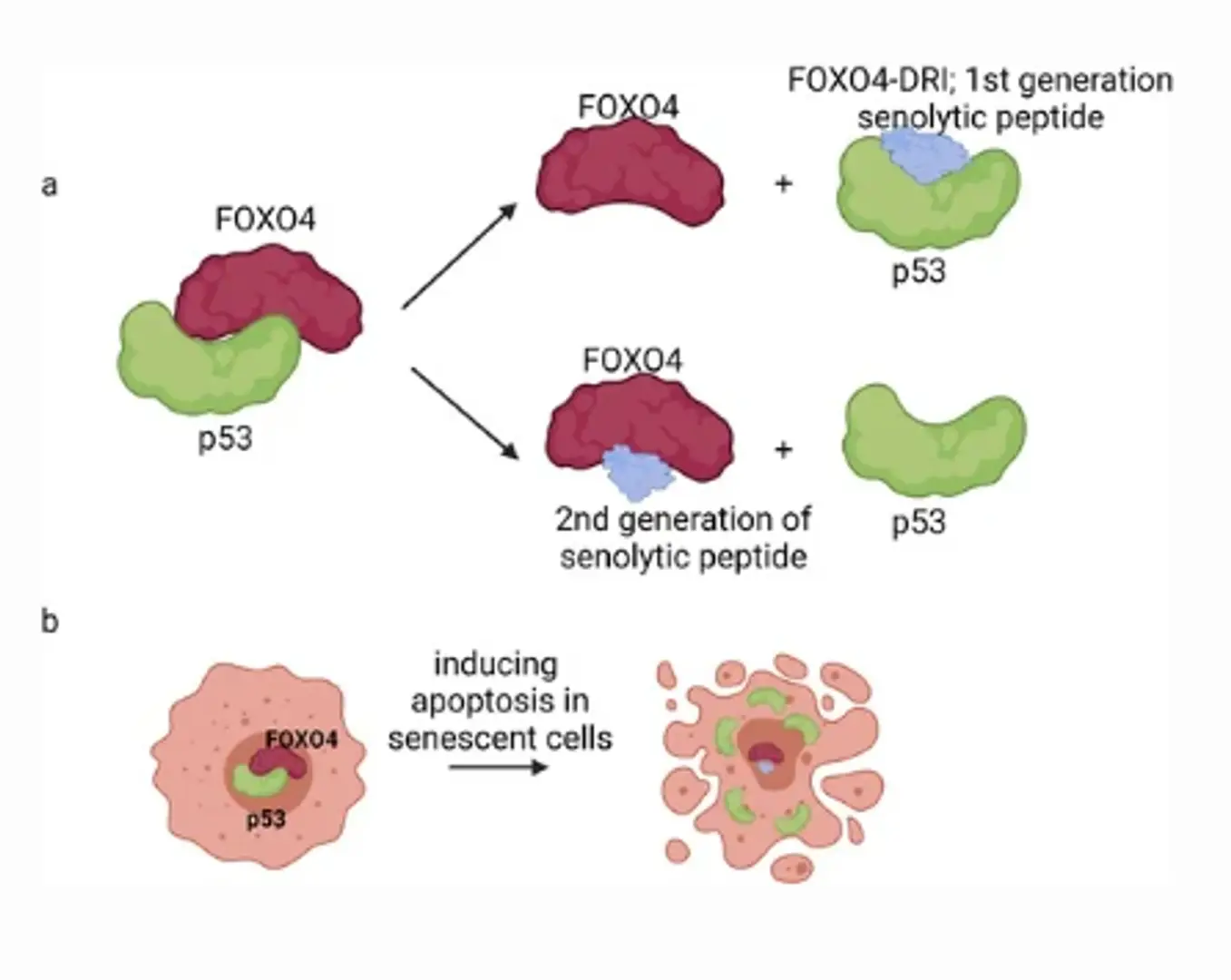
While peptides are not medical treatments or approved senolytic therapies, certain ones are frequently discussed in wellness and research circles for their potential to support cellular health, repair, and longevity. This article explains what people commonly say, which peptides are mentioned, and the key considerations involved.
Why Peptides Are Discussed in Relation to Senescent Cells
Senescent cells are aged or damaged cells that stop dividing but do not die. They can:
- Release inflammatory signals (SASP)
- Contribute to tissue dysfunction
- Impair regeneration
- Increase oxidative stress
People discuss peptides in this context because some may help support cellular repair, reduce oxidative stress, or promote the removal of damaged cells indirectly.
Peptides Commonly Mentioned in Senescent Cell Discussions
1.MOTS-c
Frequently discussed for:
- Supporting mitochondrial function
- Enhancing cellular energy
- Promoting metabolic flexibility
By improving mitochondrial health, MOTS-c is sometimes mentioned as potentially helping cells function better and resist senescence.
2.Humanin
Commonly referenced for:
- Neuroprotection and anti-apoptotic effects
- Reducing oxidative stress
- Supporting cellular resilience
Humanin may indirectly support the body’s ability to manage stressed or damaged cells.
3.SHLP Peptides (Small Humanin-Like Peptides)
Often discussed for:
- Mitochondrial signaling support
- Enhanced cellular repair processes
- Anti-inflammatory and antioxidant effects
These peptides are mentioned in longevity forums for maintaining healthier cellular populations.
4.Other Longevity Peptides
People sometimes bring up peptides that influence growth hormone signaling, tissue repair, or stress response:
- CJC-1295 / Ipamorelin – supporting recovery and tissue health
- BPC-157 – supporting repair and inflammation modulation
- AOD-9604 – metabolic and fat metabolism support
While not directly senolytic, these peptides may create a cellular environment less conducive to senescence.
What People Commonly Report
Across biohacking and longevity communities, people often mention:
- Feeling more energetic or resilient
- Subtle improvements in recovery from stress or exercise
- Support for metabolic or cellular efficiency
- Enhanced sense of vitality
Responses vary widely depending on peptide type, health status, and overall lifestyle.
Where Skepticism Comes From
People who remain cautious often highlight:
- There is currently no direct evidence that peptides remove senescent cells in humans
- Many claims come from early-stage research or animal studies
- Benefits are often subtle and cumulative rather than immediate
- Lifestyle, diet, and exercise remain the most effective factors in senescent cell management
These points contribute to ongoing debate about peptides’ role in cellular health and anti-aging.
Important Considerations People Emphasize
Peptides are considered supportive, not senolytic drugs
- Quality, sourcing, and research-grade peptides are critical
- Lifestyle interventions (exercise, fasting, diet) are more impactful for cellular rejuvenation
- Consistency matters; peptides are not instant solutions
- Professional guidance is recommended before experimenting with longevity peptides
Key Takeaways People Commonly Discuss
- Peptides like MOTS-c, Humanin, and SHLPs are often mentioned for supporting cellular health
- They may indirectly support the body’s management of senescent cells through mitochondrial, anti-inflammatory, and repair pathways
- Effects are subtle, cumulative, and vary individually
- Direct senolytic effects in humans are not proven
- Lifestyle and professional oversight remain foundational to longevity
⚠️ Disclaimer
This article is for educational and informational purposes only.
InVastor.com may list products supplied by third-party vendors, but we do not manufacture, test, store, ship, or fulfill any referenced items.
We do not provide medical, scientific, dosing, or usage guidance. Product information is seller-provided and not verified by InVastor.
All materials are presumed for lawful laboratory research only and are not approved for human or animal consumption.
Always consult licensed healthcare professionals regarding cellular health, aging, or any decisions involving peptides.
Related Posts
© 2025 Invastor. All Rights Reserved
User Comments