
Ai Content Generator
Ai Picture
Tell Your Story

 Health Lab
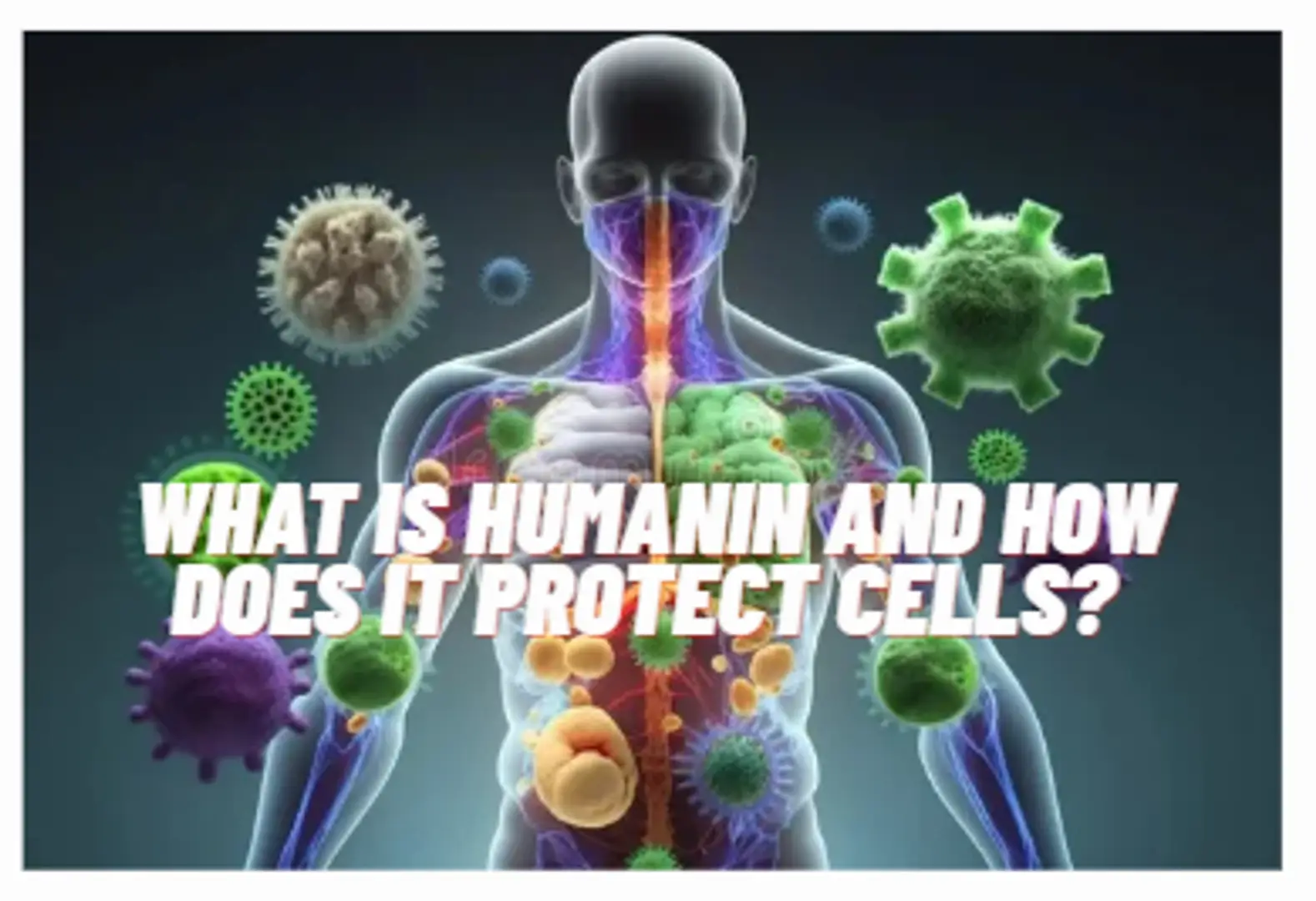
What Is Humanin and How Does It Protect Cells?
What Is Humanin and How Does It Protect Cells? What People Commonly Discuss
Humanin is a peptide increasingly discussed in longevity, wellness, and cellular health communities. With growing interest in anti-aging and neuroprotection, many people ask:
What is Humanin, and how does it protect cells?
While Humanin is not an approved treatment, it is frequently mentioned in research and wellness conversations for its potential role in protecting cells from stress and supporting healthy aging. This article explains what people commonly say, what Humanin does, and key considerations to keep in mind.
Why Humanin Is Being Discussed for Cell Protection
Humanin is a mitochondrial-derived peptide — a small protein naturally produced in the mitochondria. People explore Humanin because it may support:
- Cellular resilience under stress
- Protection from oxidative damage
- Healthy metabolism
- Neuroprotection and cognitive support
Since mitochondrial function often declines with age, peptides like Humanin are often considered in longevity and biohacking circles.
How Humanin Protects Cells
1.Anti-Apoptotic Effects
Humanin is thought to help prevent premature cell death by signaling cells to resist stress-induced apoptosis. This may:
- Protect neurons and other critical cells
- Support tissue longevity
- Reduce age-related cellular decline
2.Reduces Oxidative Stress
People often mention Humanin for its ability to:
- Protect cells from free-radical damage
- Support mitochondrial health
- Help maintain cellular energy production
3.Supports Metabolic Health
Humanin has been discussed in research for:
- Enhancing insulin sensitivity
- Regulating glucose metabolism
- Supporting metabolic flexibility
4.Neuroprotective Potential
Many longevity communities highlight Humanin for:
- Protecting brain cells from age-related stress
- Supporting cognitive function and memory
- Reducing neuroinflammation
What People Commonly Report
Across wellness and longevity forums, people often say:
- Feeling more resilient to stress and fatigue
- Better recovery from physical or cognitive strain
- Subtle improvements in focus or mental clarity
- Enhanced energy levels during daily activity
Results are anecdotal and vary widely depending on age, health status, and peptide quality.
Where Skepticism Comes From
People who remain cautious often point out:
- Most studies are still preclinical or in early-stage human research
- Effects may be subtle and cumulative rather than immediate
- Supplements claiming Humanin effects may vary in quality or potency
- Benefits may depend heavily on lifestyle and overall health
These points contribute to ongoing debates about how effective Humanin truly is outside of research settings.
Important Considerations People Emphasize
- Humanin is considered supportive, not a treatment or cure
- Quality, sourcing, and research-grade peptides matter
- Effects are often subtle and cumulative
- Lifestyle factors such as nutrition, exercise, and sleep are critical for cell health
- Professional consultation is recommended before exploring peptides
Key Takeaways People Commonly Discuss
- Humanin is a mitochondrial peptide widely talked about for cellular protection and longevity
- It may help prevent premature cell death, reduce oxidative stress, and support metabolic health
- People report subtle improvements in energy, cognitive function, and resilience
- Research is promising but still in early stages
- Healthy lifestyle choices remain the foundation of cellular and metabolic health
⚠️ Disclaimer
This article is for educational and informational purposes only.
InVastor.com may list products supplied by third-party vendors, but we do not manufacture, test, store, ship, or fulfill any referenced items.
We do not provide medical, scientific, dosing, or usage guidance. Product information is seller-provided and not verified by InVastor.
All materials are presumed for lawful laboratory research only and are not approved for human or animal consumption.
Always consult licensed healthcare professionals regarding cellular health, metabolism, or any decisions involving peptides.
Related Posts
© 2025 Invastor. All Rights Reserved
User Comments