
Ai Content Generator
Ai Picture
Tell Your Story

 Health Lab
What Peptides Enhance Metabolic Flexibility?
What Peptides Enhance Metabolic Flexibility? What People Commonly Discuss
Peptides are widely talked about in wellness, fitness, and longevity communities for their potential roles in energy balance, body composition, and metabolic support. This naturally leads many to ask:
What peptides enhance metabolic flexibility?
While peptides are not weight-loss treatments or medical therapies, certain ones are frequently discussed for their potential to influence processes related to energy use, fat mobilization, and metabolic balance. This article explains what people commonly say, which peptides are mentioned, and the key considerations involved.
Why Peptides Are Discussed for Metabolic Flexibility
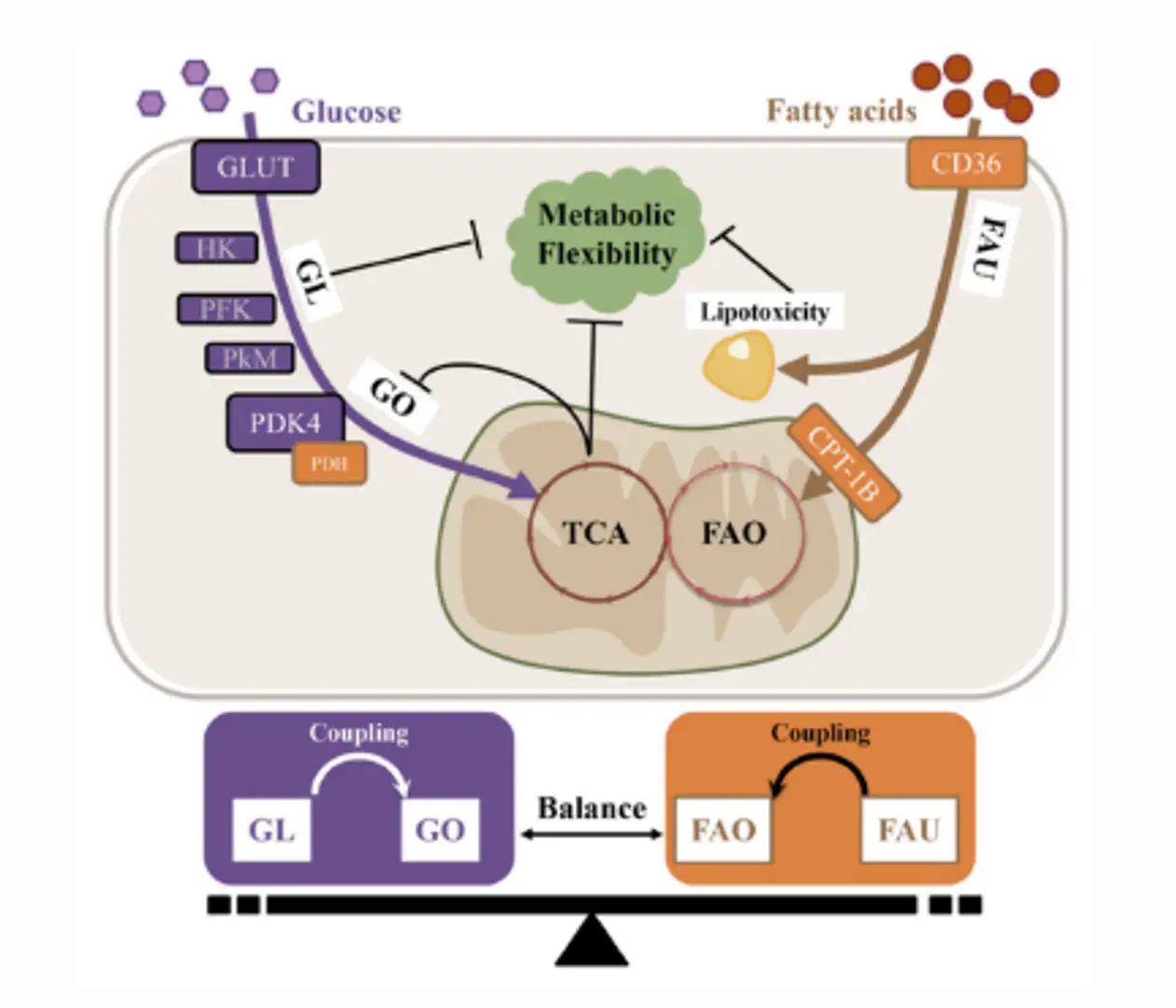
Metabolic flexibility refers to how efficiently the body can switch between burning carbohydrates and burning fats. People explore peptides in this context because metabolic flexibility is associated with:
- Steady energy levels
- Improved exercise performance
- Better fat utilization
- Balanced hunger and cravings
- Reduced metabolic stress
Since some peptides are discussed for signaling pathways related to energy use and recovery, they often appear in metabolic optimization conversations.
Peptides Commonly Mentioned for Metabolic Flexibility Support
1.Growth Hormone Secretagogue Peptides (CJC-1295, Ipamorelin, GHRP-6, GHRP-2)
Frequently discussed for:
- Supporting fat metabolism
- Improving recovery from training
- Enhancing lean body composition
- Helping the body use energy more efficiently
People often mention these peptides when aiming for improved metabolic transitions during exercise or fasting.
2.MOTS-c
Commonly referenced for:
- Supporting mitochondrial function
- Enhancing exercise capacity
- Helping the body adapt to metabolic stress
- Improving glucose utilization
It’s one of the most talked-about peptides in mitochondrial and metabolic wellness discussions.
3.AOD-9604
Often mentioned for:
- Supporting fat breakdown
- Encouraging metabolic activity
- Helping with stubborn fat regions
People typically discuss it as part of a broader metabolic or recomposition plan.
4.5-Amino-1MQ
Frequently highlighted because users report:
- Increased cellular energy
- Support for metabolism-related pathways
- Enhanced fat use during movement
It’s often discussed in the context of improved metabolic efficiency.
5.GLP-1–Related Peptide Discussions (Non-medical, research-only categories)
Wellness groups sometimes mention GLP-1–related peptides for:
- Appetite regulation
- Stabilizing energy levels
- Improving metabolic patterns
These discussions focus more on energy balance and less on direct “fat burning.”
What People Commonly Report
Across fitness and metabolic forums, people often mention:
- Improved stamina during workouts
- Better ability to shift between carb-burning and fat-burning
- Steadier energy throughout the day
- Reduced cravings or appetite swings
- More efficient recovery after physical activity
However, individual responses vary widely.
Important Considerations People Emphasize
Most individuals highlight the importance of:
- Lifestyle changes (diet & exercise) still being the main driver of metabolic health
- Using high-quality, verified research materials
- Understanding signaling peptides do not replace professional metabolic evaluations
- Tracking sleep, nutrition, and stress, which strongly affect metabolism
- Recognizing that peptides may only offer supportive benefits
Peptides are considered tools — not replacements for metabolic or nutritional care.
Key Takeaways People Commonly Discuss
- Several peptides are talked about for supporting metabolic flexibility, especially MOTS-c and GH-related peptides
- Reported benefits often involve energy, recovery, and fat-metabolism support
- Responses vary, and benefits tend to be indirect
- Lifestyle factors still play the dominant role in metabolic function
- Professional oversight is recommended for any metabolic concerns
⚠️ Disclaimer
This article is for educational and informational purposes only.
InVastor.com may list products supplied by third-party vendors, but we do not manufacture, test, store, ship, or fulfill any referenced items.
We do not provide medical, scientific, dosing, or usage guidance. Product information is seller-provided and not verified by InVastor.
All materials are presumed for lawful laboratory research only and are not approved for human or animal consumption.
Always consult licensed healthcare professionals regarding metabolism, weight concerns, or any decisions involving peptides.
Related Posts
© 2025 Invastor. All Rights Reserved
User Comments