
Ai Content Generator
Ai Picture
Tell Your Story

 Health Lab
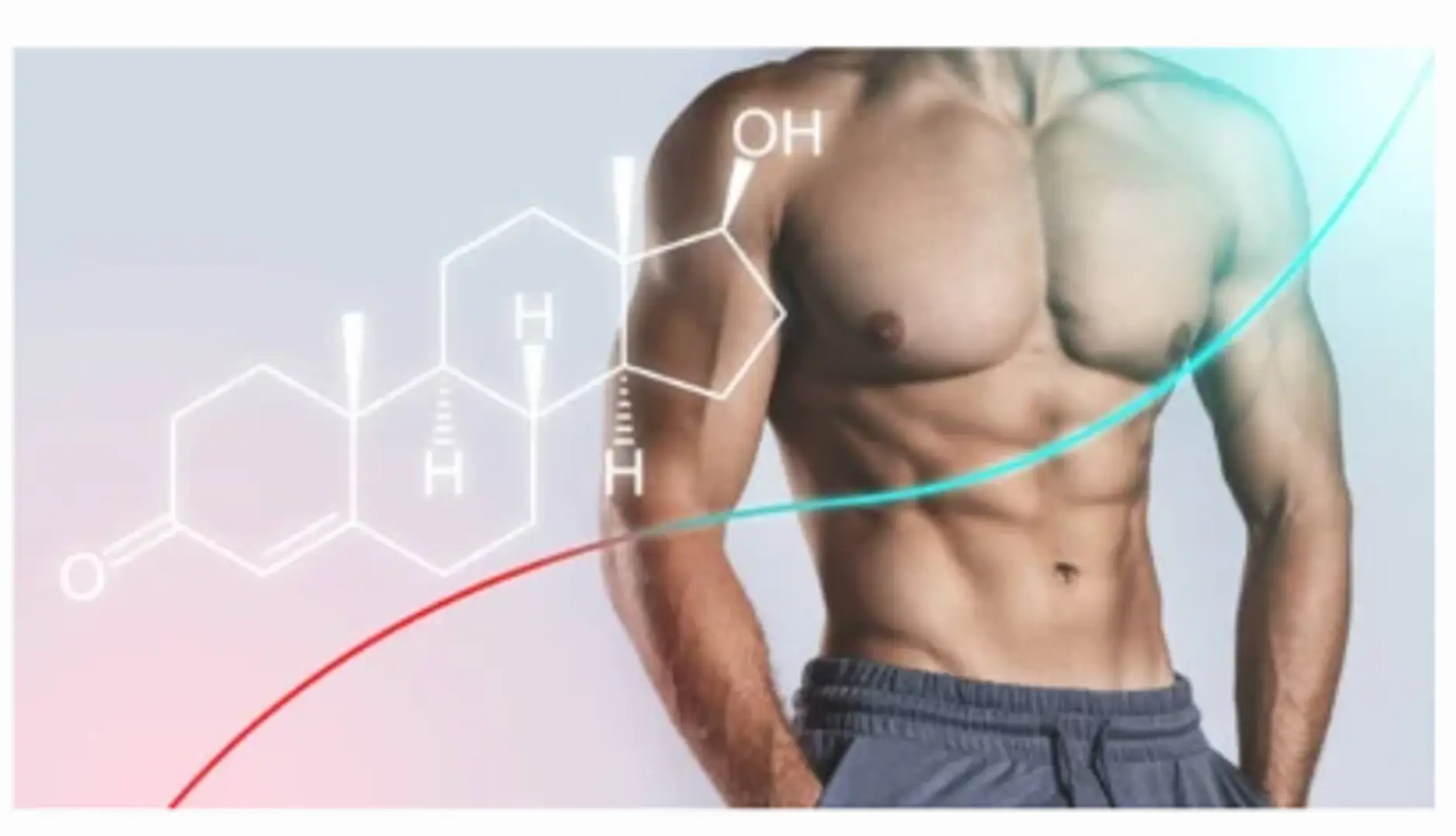
Can Peptides Increase Natural Testosterone?
Can Peptides Increase Natural Testosterone? What People Commonly Discuss
Peptides are widely talked about in men’s health, anti-aging, and performance communities for their potential support in metabolism, recovery, and hormonal balance. This naturally leads many people to ask:
Can peptides increase natural testosterone?
While peptides are not testosterone therapy or medical treatments, certain ones are frequently discussed for their possible influence on hormone signaling, stress balance, or lifestyle factors that support healthy testosterone levels. This article explains what people commonly say, which peptides are mentioned, and the key considerations involved.
Why Peptides Are Discussed for Testosterone Support
Testosterone levels can be influenced by:
- Chronic stress and elevated cortisol
- Poor sleep or disrupted circadian rhythm
- Age-related declines
- Low pituitary signaling
- Excess body fat
- Intense physical training
- Nutrition and recovery issues
Because some peptides are associated with pituitary signaling, sleep quality, or metabolic support, people often explore whether they could indirectly help maintain natural testosterone levels.
Peptides Commonly Mentioned in Testosterone Discussions
1.Kisspeptin-10
Frequently discussed for:
- Supporting the HPG (hypothalamus–pituitary–gonadal) axis
- Encouraging natural hormone signaling
- Being part of the reproductive hormone pathway
Many people bring it up when discussing non-hormonal approaches to supporting reproductive function.
2.Growth Hormone–Related Peptides (GHRPs & GHRHs)
Commonly referenced for:
- Improving recovery and sleep
- Supporting metabolism
- Assisting body composition changes
People often mention that healthier metabolism and improved sleep can indirectly support testosterone levels, though the peptides themselves are not testosterone boosters.
3.Gonadorelin (Research Context Only)
Sometimes discussed for:
- Stimulating LH and FSH signaling in research settings
- Supporting natural hormone pathways
- Maintaining testicular function (as referenced in online forums)
People often mention it in conversations about preserving natural hormone output, not as a direct testosterone enhancer.
4.Stress-Modulating Peptides (Selank, Semax)
Often included in discussions because:
- Chronic stress suppresses testosterone
- Improved calm may support healthier hormonal balance
- Sleep and mood improvements indirectly aid hormone regulation
These peptides are discussed more for their stress-lowering effects, not hormone activity.
5.BPC-157
Occasionally mentioned for:
- Overall recovery
- Inflammation modulation
- Improved well-being
While it is not considered hormone-active, some people mention feeling improvements related to mood, stress, or energy — all of which can influence hormonal balance indirectly.
What People Commonly Report
Online communities often talk about:
- Improved energy, mood, and stress balance
- Better recovery and sleep (which supports hormonal health)
- No dramatic changes in testosterone unless combined with lifestyle improvements
- Highly varied responses depending on individual factors
These reports are anecdotal and differ widely across individuals.
Important Considerations People Emphasize
Many people highlight:
- Peptides are not a replacement for testosterone therapy
- Lifestyle factors often impact testosterone more than peptides
- Effects are typically indirect, not hormonal
- Only medically supervised labs can accurately measure hormonal changes
- Research-grade sourcing and proper handling are essential
- Some peptides may not be appropriate for men with certain medical conditions
Peptides should be viewed as supportive, not standalone testosterone solutions.
Key Takeaways People Commonly Discuss
- Peptides do not directly increase testosterone the way hormone therapy does
- Kisspeptin-10 and gonadorelin are the most commonly mentioned for hormone signaling
- Stress-modulating and sleep-support peptides may indirectly help
- Personal experiences vary widely
- Professional evaluation is important for low testosterone concerns
⚠️ Disclaimer
This article is for educational and informational purposes only.
InVastor.com may list products supplied by third-party vendors, but we do not manufacture, test, store, ship, or fulfill any referenced items.
We do not provide medical, scientific, dosing, or usage guidance. Product information is seller-provided and not verified by InVastor.
All materials are presumed for lawful laboratory research only and are not approved for human or animal consumption.
Always consult licensed professionals regarding hormone health, low testosterone, or any decisions involving peptides.
Related Posts
© 2025 Invastor. All Rights Reserved
User Comments