
Ai Content Generator
Ai Picture
Tell Your Story

 InVastor Philippines
Free Meals for Kindergarten and Grade 1 Students: A Game Changer for Education in 2026
Free Meals for Kindergarten and Grade 1 Students: A Game Changer for Education in 2026
Proposed funding aims to provide nutritious meals for young learners throughout the school year.
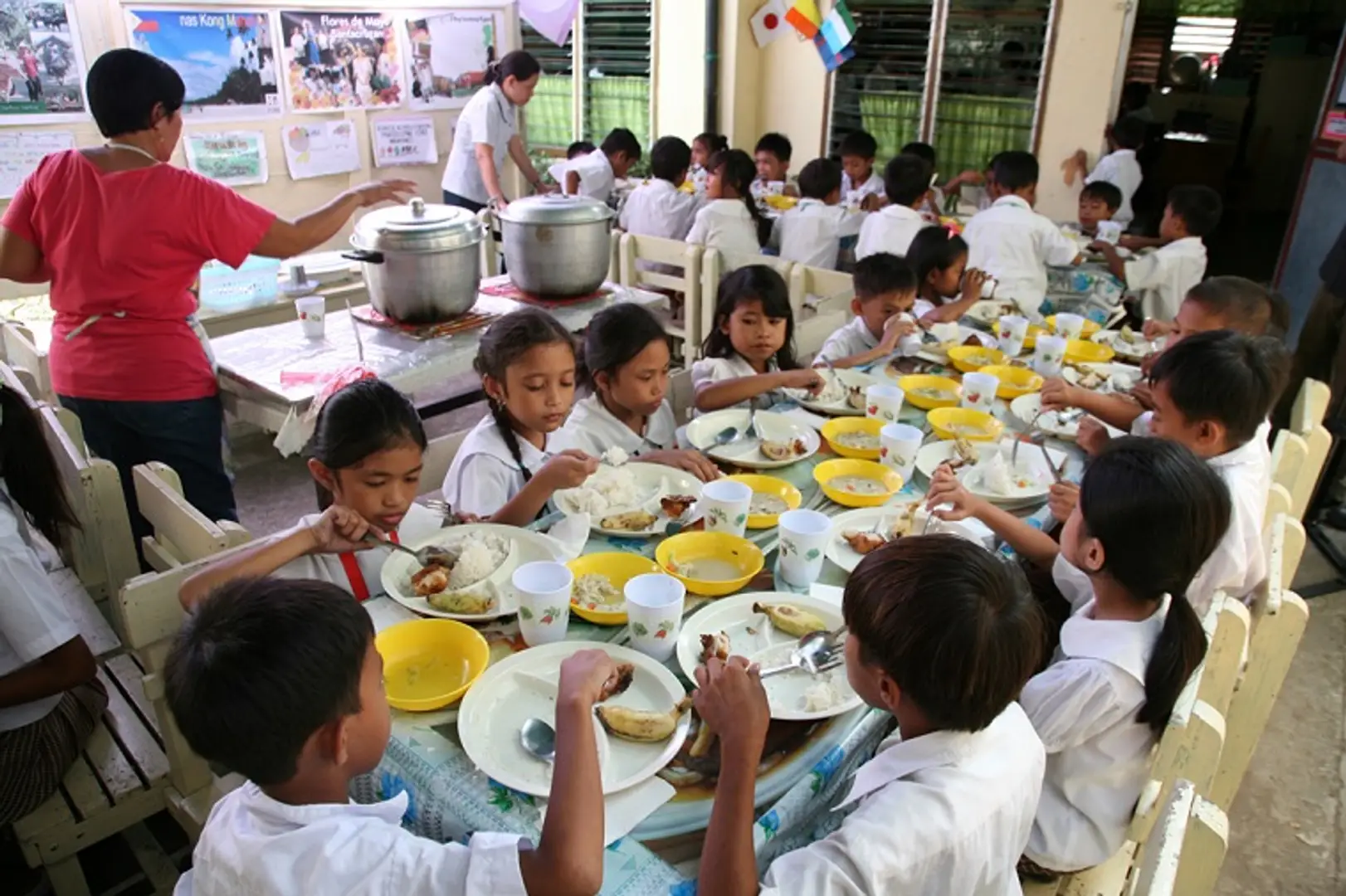
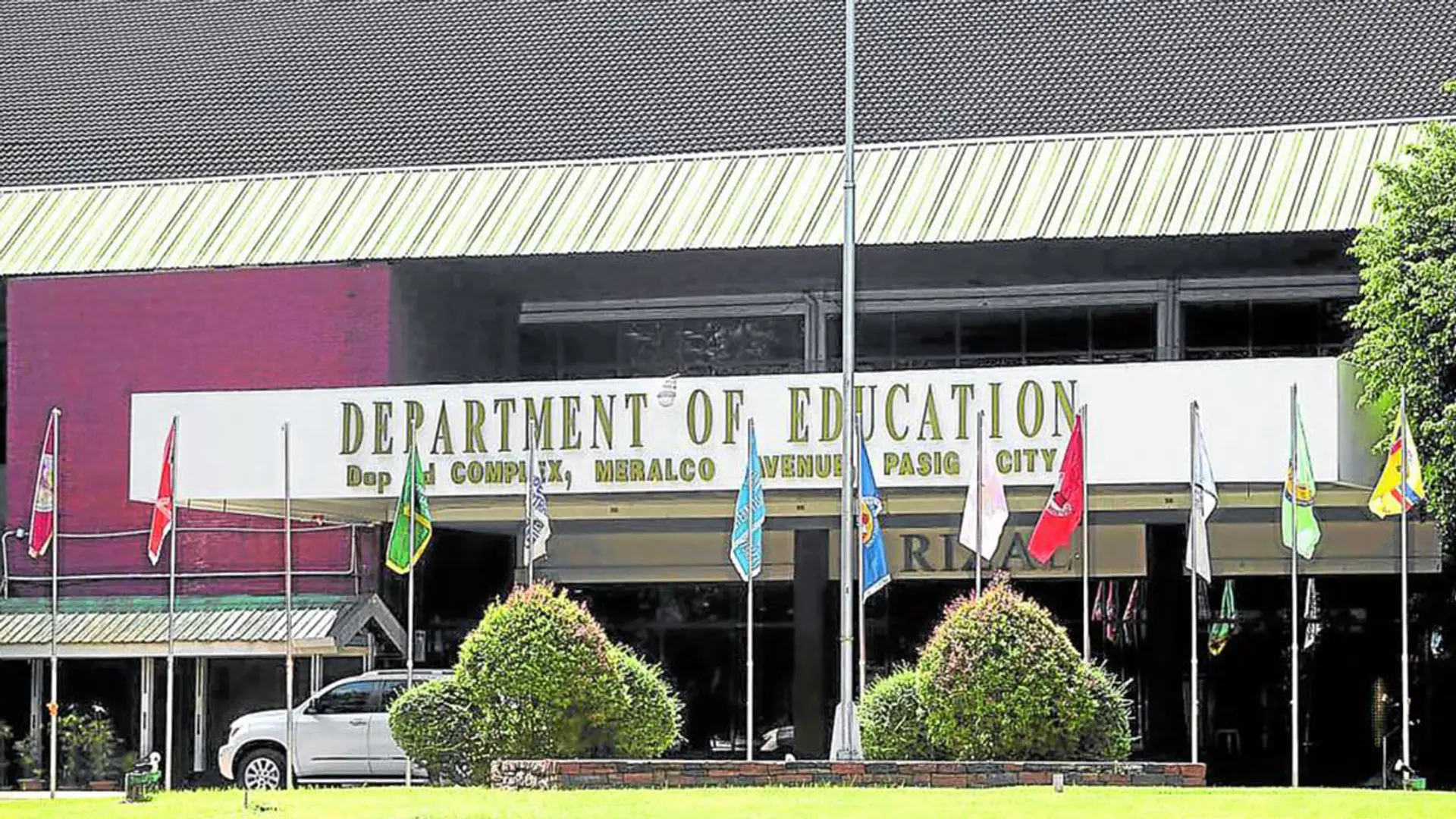
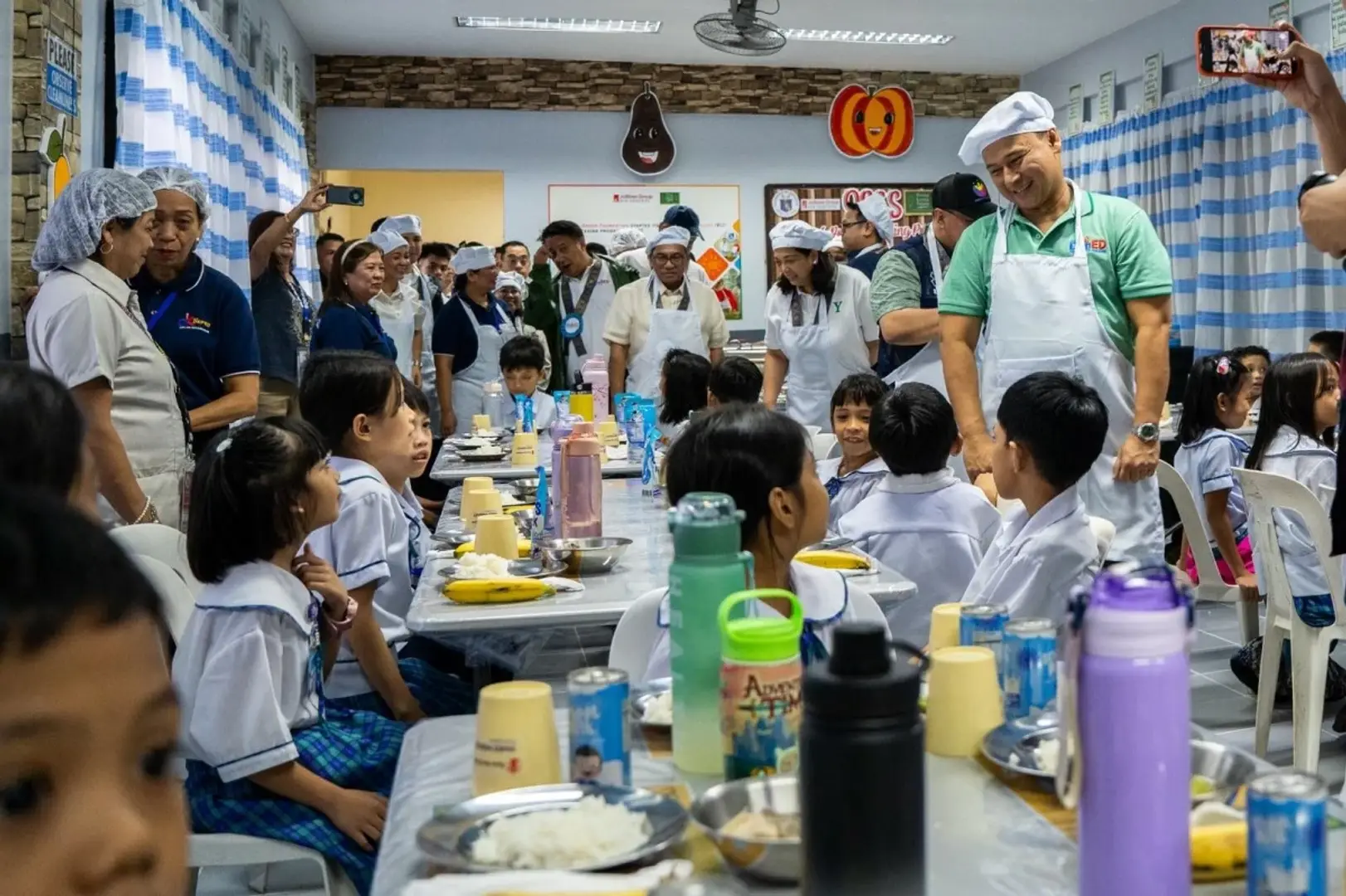
MANILA, Philippines — In a groundbreaking move aimed at improving the educational experience of young learners, the Department of Education (DepEd) is eyeing a proposal that could provide free meals for all kindergarten and Grade 1 students for 200 school days in 2026. This initiative not only addresses hunger but also emphasizes the importance of nutrition in the early stages of education, laying the groundwork for a healthier, more engaged generation of students.
As we delve deeper into the implications of this proposal, it’s essential to consider the multifaceted benefits that come with ensuring that our youngest learners have access to nutritious meals at school.
The Need for Nutritional Support
One of the most pressing issues facing educational institutions today is childhood hunger. Many families struggle to provide adequate meals, which can significantly impact a child's ability to learn. By providing free meals, the DepEd is taking a proactive approach to eliminate this barrier. Studies show that well-nourished children are more likely to perform better academically, have improved attendance rates, and exhibit better behavior in class.
Financial Implications and Funding
The proposed funding for this initiative is a part of the broader budget allocation for DepEd in 2026. The government recognizes that investing in the health and education of children is crucial for the nation's future. The funding will not only cover the cost of meals but also ensure that they meet nutritional standards necessary for the growth and development of young learners.
Implementation Strategy
The implementation of this program will involve collaboration with local governments, schools, and nutritionists to create a menu that is both appealing and nutritious. Schools will be tasked with ensuring that meals are prepared in a safe and hygienic manner, fostering a positive dining experience for children. Additionally, training for staff on the importance of nutrition will be essential to maximize the program's impact.
"Investing in the nutrition of our children is investing in the future of our nation. Education and health go hand in hand, and this initiative will ensure that our young learners are not only educated but also well-nourished." — Dr. Maria Santos, Child Nutrition Expert
Potential Challenges Ahead
While the proposal is promising, several challenges must be addressed. These include logistical issues such as meal distribution, ensuring food safety, and managing budgets effectively. Stakeholder engagement is critical; feedback from parents, teachers, and nutritionists will be essential in refining the program to ensure its success.
In conclusion, the prospect of providing free meals for kindergarten and Grade 1 students for 200 school days in 2026 represents a significant step forward in addressing childhood hunger and promoting educational success. By ensuring that young learners are nourished, the DepEd is not only fostering a better learning environment but also investing in the future of the Philippines. As we look forward to the implementation of this initiative, it is crucial for all stakeholders to come together to support and enhance this groundbreaking program.
Related Posts
© 2026 Invastor. All Rights Reserved
User Comments