
Ai Content Generator
Ai Picture
Tell Your Story

 InVastor Philippines
DOJ Takes Aim at Bulacan Flood Scam: Low-Hanging Fruits First
DOJ Takes Aim at Bulacan Flood Scam: Low-Hanging Fruits First
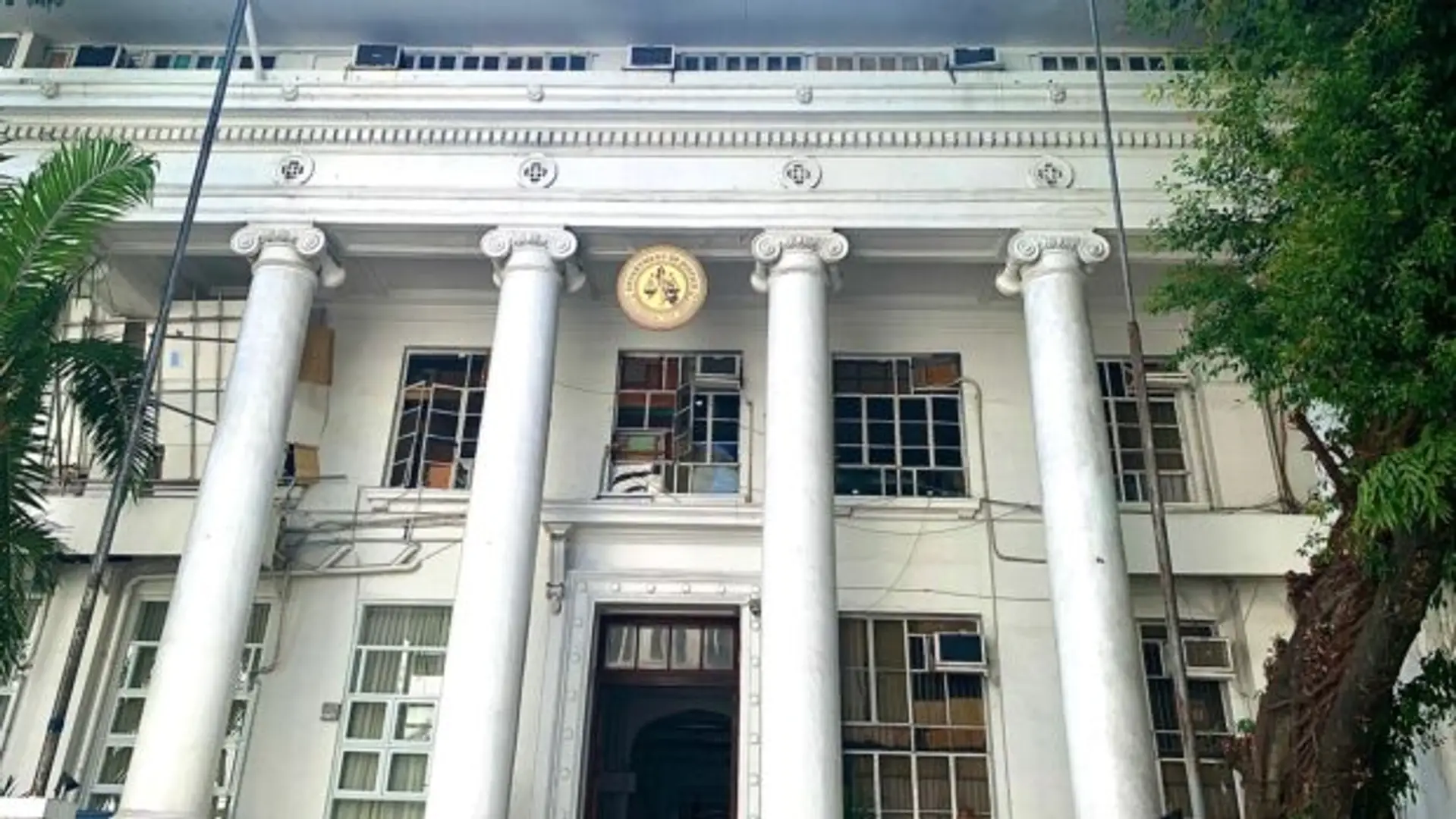
Department of Justice targets DPWH officials and engineers in swift action against corruption in flood control projects.
MANILA, Philippines – In a decisive move against corruption, the Department of Justice (DOJ) is cracking down on five anomalous flood control projects in Bulacan. This initiative comes in the wake of widespread public concern regarding the misuse of government funds intended for critical infrastructure. By focusing on the “low-hanging fruits,” the DOJ aims to swiftly address the corruption within the Department of Public Works and Highways (DPWH), targeting officials and engineers who appear to be the easiest to prosecute based on the evidence gathered. This action signifies a critical step towards accountability and transparency in government operations, a pressing issue in the Philippines.
Understanding the Bulacan Flood Scam
The Bulacan flood scam revolves around five questionable flood control projects that have raised alarm bells within the DOJ and among citizens. These projects, which were meant to enhance flood management and public safety, have instead become a symbol of corruption and mismanagement. The DOJ's focus on identifying and prosecuting those responsible is crucial not only for public trust but also for ensuring that taxpayer money is used effectively.
The DOJ’s Strategic Approach
By targeting the "low-hanging fruits," the DOJ is prioritizing those individuals who are less likely to have extensive legal defenses or connections that could complicate prosecution. This strategic approach allows the department to build momentum in its case against corruption and sends a strong message that wrongdoing will not be tolerated. Officials and engineers from the DPWH are under scrutiny, with investigations revealing discrepancies and potential misallocation of funds.
Implications for Future Projects
The ramifications of the DOJ's actions extend beyond the immediate cases at hand. By holding individuals accountable for their actions, the DOJ is setting a precedent for future public works projects. This proactive stance could deter potential corruption in the future and encourage more rigorous oversight of government contracts. Citizens are watching closely, and the outcome of these proceedings could significantly impact public confidence in government institutions.
“The DOJ's focus on prosecuting the easiest targets first reflects a strategic approach to tackling corruption. By starting with those who have the most to answer for, they can build a stronger case that may lead to more significant revelations down the line.” – Dr. Maria Santos, Political Analyst
The DOJ's swift action in targeting low-hanging fruits in the Bulacan flood scam is a positive step toward restoring faith in public governance and infrastructure management. By holding DPWH officials and engineers accountable, the DOJ not only addresses immediate concerns of corruption but also sets a tone for future projects. The public eagerly awaits the outcomes of these investigations, hopeful for a future where government funds are used appropriately and effectively. As this story unfolds, it underscores the importance of vigilance and accountability in the fight against corruption in the Philippines.
Related Posts
© 2026 Invastor. All Rights Reserved
User Comments