
Ai Content Generator
Ai Picture
Tell Your Story

 InVastor Philippines
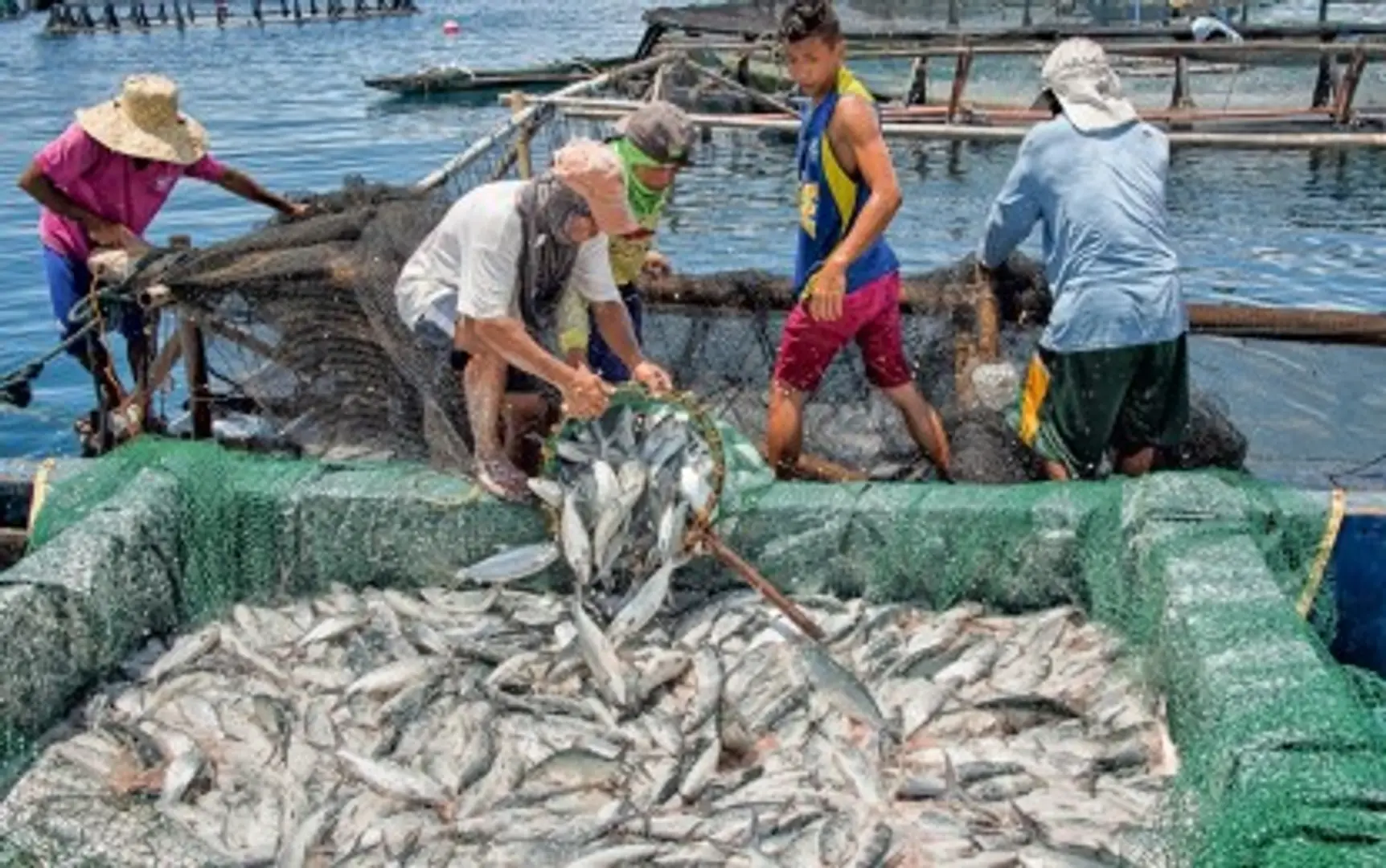
Fishers Slam 3-Month Ban in Visayan Sea: A Recipe for Hunger?
Fishers Slam 3-Month Ban in Visayan Sea: A Recipe for Hunger?
Activist group warns that fishing restrictions could lead to soaring fish prices and food insecurity.
MANILA, Philippines—The recent announcement of a three-month closed fishing season in the Visayan Sea has ignited a fierce backlash from activist fishers' groups. The government, aiming to replenish dwindling fish stocks, has implemented this ban, but critics argue that it may exacerbate food insecurity and drive up prices in the already strained fish market. As the nation grapples with economic challenges, the implications of this ban are significant and require urgent attention.
The Rationale Behind the Ban
The government’s decision to impose a closed fishing season is rooted in the pressing need to protect marine biodiversity and restore fish populations in the Visayan Sea. Overfishing has significantly depleted stocks, threatening both local ecosystems and the livelihoods of communities dependent on fishing. Supporters of the ban argue that this temporary measure is essential for long-term sustainability and the health of marine resources.
Concerns Over Food Insecurity
However, the activist fishers' group, known as Pamalakaya, has raised alarms about the potential consequences of such a ban. With many families relying on fishing as their primary source of income and food, restricting access to these resources could push them into poverty. The group's spokesperson, Fernando Hicap, stated, “This ban will not only affect our livelihoods but also the food security of countless Filipinos who depend on affordable fish for their daily meals.”
The Economic Fallout
The implications of the fishing ban extend beyond individual households. As fish stocks dwindle and supply becomes limited, market prices are expected to soar. This could lead to inflation not just in fish prices, but across the food market, as consumers struggle to find alternative sources of protein. Economists warn that the ripple effects of the ban could worsen the already precarious economic situation for many Filipinos.
Hicap further emphasized the urgency of the situation, stating, “The government must consider the immediate impact this ban will have on our communities. Instead of closing the seas, we need better management practices that ensure sustainability without sacrificing our livelihoods.”
The Call for Dialogue
In light of these concerns, Pamalakaya urges the government to engage in dialogue with fishers and stakeholders to find a balanced approach that protects marine life while safeguarding the rights and needs of local communities. It is crucial for policymakers to consider the socio-economic realities faced by those who rely on fishing as a means of survival.
The three-month fishing ban in the Visayan Sea is a complex issue that highlights the tension between environmental conservation and economic survival. As the government moves forward with its initiatives to protect marine biodiversity, it must also address the potential fallout on food security and local economies. A collaborative approach that includes fishers' voices in the decision-making process is essential for ensuring both the health of our oceans and the well-being of our communities.
Related Posts
© 2026 Invastor. All Rights Reserved
User Comments