
Ai Content Generator
Ai Picture
Tell Your Story

 Culture Stories
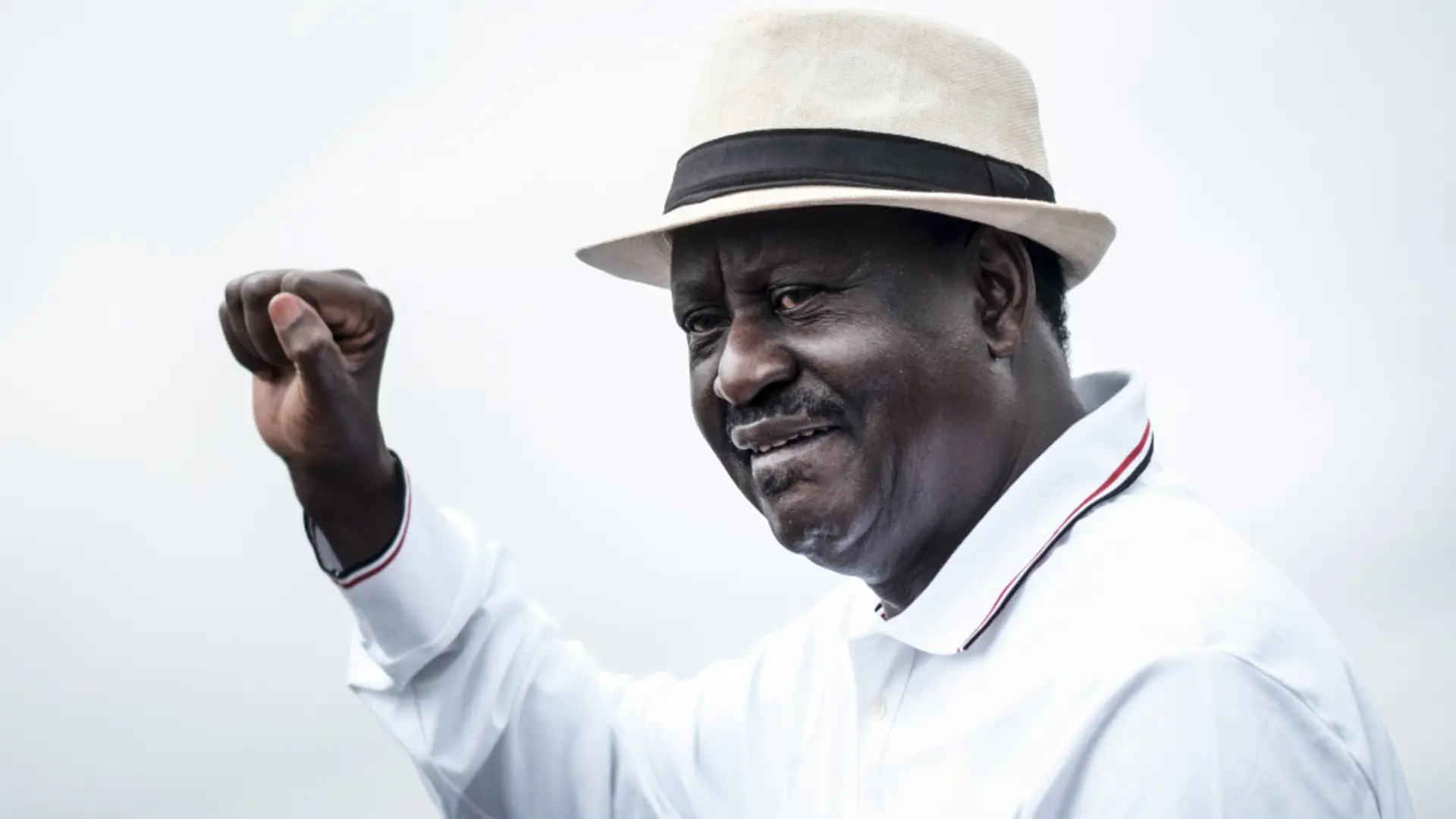
Raila Odinga stories over the years
Raila Odinga, a prominent Kenyan politician and leader of the Orange Democratic Movement (ODM), has had a significant impact on Kenya's political landscape over the years. His journey is marked by a series of events that showcase his resilience, leadership, and political acumen.
We Miss You! Dad/Baba!
Early Life and Education
Born on January 7, 1945, in Maseno, Kenya, Raila is the son of Jaramogi Oginga Odinga, a key figure in Kenya’s independence movement. He pursued his education in both Kenya and abroad, earning a degree in engineering from the University of Magdeburg in East Germany. His early exposure to politics came from his father’s influence, which set the stage for his future endeavors.
Political Activism in the 1990s
Raila's political career began in earnest in the early 1990s when he became a vocal advocate for multiparty democracy in Kenya. In 1992, he was elected as the Member of Parliament for Lang’ata. His activism during this time was pivotal in the push against the one-party state established by President Daniel arap Moi. Raila’s involvement in the National Development Party and later in the Social Democratic Party showcased his commitment to democratic reforms.
2005 Referendum and Political Alliances
One of the most defining moments in Raila's political career occurred in 2005 during the constitutional referendum. He led the campaign against the proposed constitution, arguing that it did not adequately address issues of governance and accountability. His success in this referendum bolstered his standing as a key opposition leader.
In 2008, following the disputed presidential election that led to widespread violence, Raila was appointed Prime Minister in a coalition government with President Mwai Kibaki. This period was marked by efforts to promote reconciliation and address the grievances that had fueled the post-election violence.
2013 and 2017 Presidential Elections
Raila ran for president in both the 2013 and 2017 elections. In 2013, he was defeated by Uhuru Kenyatta, a result that he contested, claiming electoral fraud. The Supreme Court upheld Kenyatta's victory. In 2017, Raila again faced Uhuru Kenyatta and lost in a controversial election that was later annulled by the Supreme Court due to irregularities. A re-run was held, which Raila boycotted, leading to further political tension.
Building Bridges Initiative (BBI)
In 2018, Raila made headlines when he shook hands with President Kenyatta in a moment referred to as the Handshake. This marked a significant turning point in Kenyan politics, aiming to promote national healing and unity. The Handshake led to the formation of the Building Bridges Initiative (BBI), which sought to address issues of inclusivity and governance. However, the BBI faced legal challenges and was eventually declared unconstitutional by the courts in 2021.
Recent Developments
In the lead-up to the 2022 general elections, Raila announced his candidacy for the presidency once again, rallying support with a platform centered on economic reforms and social justice. Although he lost to William Ruto, Raila's influence remained significant in Kenyan politics, particularly among his supporters in the opposition.
Legacy and Impact
Raila Odinga’s political career has been characterized by his unwavering commitment to democracy and social justice. His ability to navigate the complexities of Kenyan politics, form coalitions, and advocate for reforms has made him a central figure in the nation’s history. His stories over the years reflect both the challenges and triumphs of a leader dedicated to the betterment of his country.
Death (2025)
- Raila Odinga died on October 15, 2025, in Kerala, India, reportedly from a cardiac arrest. Encyclopedia Britannica+1
- His death prompted national mourning and recognition of his long and influential political career. The Guardian+1
Why Raila Odinga’s Story Matters
Symbol of Resistance: He embodied Kenya’s struggle for multiparty democracy, having been imprisoned and marginalized but never giving up.
Political Reformer: Through the 2010 Constitution, he helped reshape how Kenya is governed, giving more power to local governments and protecting rights.
Bridge-Builder: His 2018 handshake with Kenyatta is a powerful example of political pragmatism and reconciliation.
Enduring Influence: Even in loss, his repeated presidential bids, coalitions, and legal challenges helped strengthen Kenyan democracy (especially the role of the courts).
References:
- Standard Media - Various articles on Raila Odinga's political journey.
- BBC News - Coverage on Raila's political career and elections.
- Nation Africa - Reports on the 2017 elections and the BBI initiative.
Related Posts
© 2025 Invastor. All Rights Reserved
User Comments