
Ai Content Generator
Ai Picture
Tell Your Story

 John Smith
Handheld Fiber Laser Welding Machine: Transforming Modern Metal Fabrication
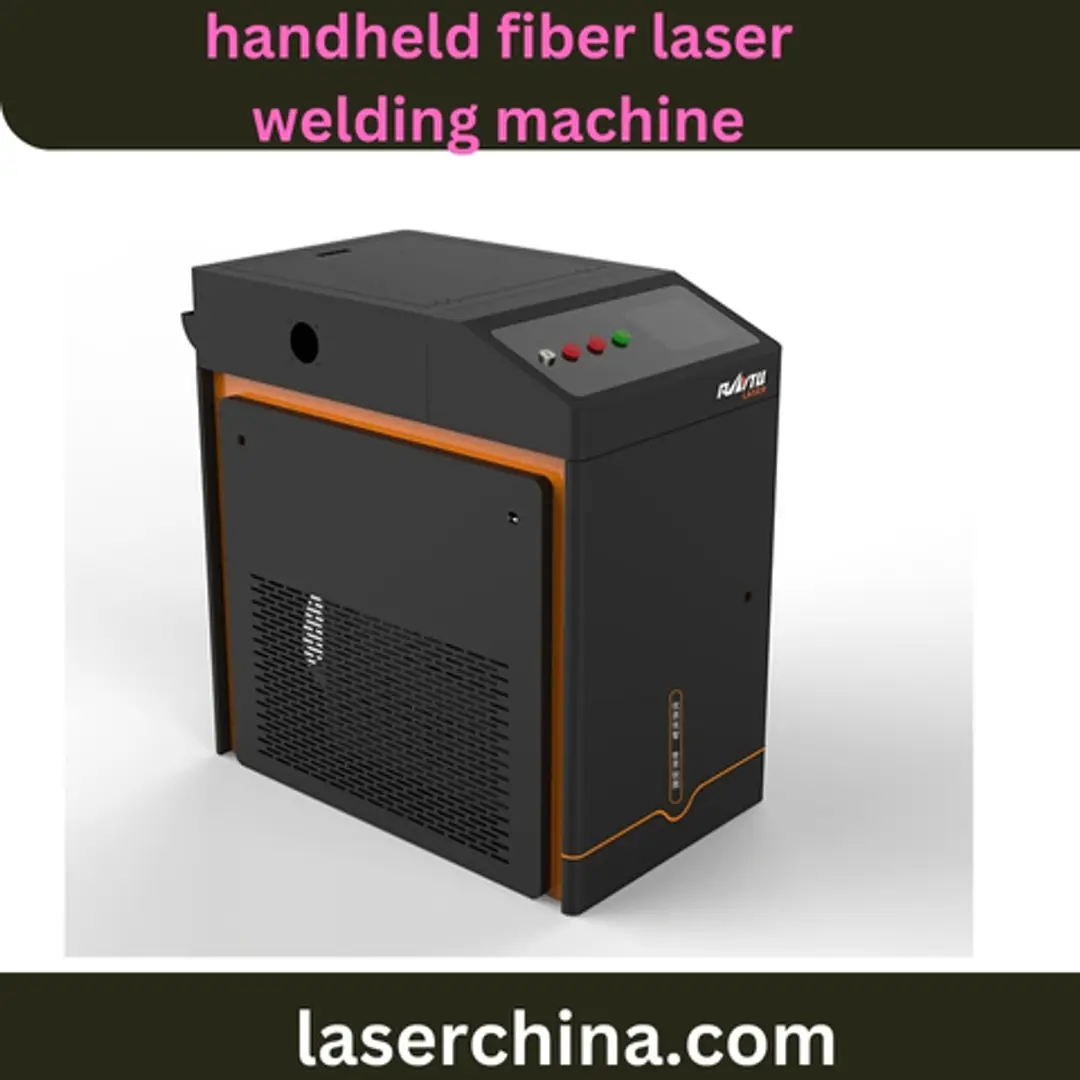
In today’s fast-paced metalworking industry, precision and flexibility are essential. A handheld fiber laser welding machine has become a breakthrough tool for businesses seeking efficient, clean, and strong welds without complex setups. Whether used in small workshops or large-scale manufacturing units, this portable equipment redefines how metals are joined. It combines high-quality laser power with the convenience of mobility, meeting the growing need for speed and reliability in welding operations.
The demand for advanced welding technology is increasing rapidly, particularly in industries like automotive, aerospace, construction, and custom metal fabrication. Traditional methods such as MIG and TIG welding still hold a place in production, but fiber laser welding introduces a new level of accuracy and control. It is not just about joining metals—it’s about optimizing efficiency, reducing waste, and delivering consistent results every time.
Understanding the Role of Fiber Laser Welding
A handheld fiber laser welding machine operates using a fiber laser source that emits a concentrated beam of light. This beam melts and fuses metal surfaces together with pinpoint precision. Unlike conventional techniques that depend heavily on filler materials or gas shielding, fiber laser welding delivers a clean process that minimizes deformation and material loss.
The laser beam is transmitted through an optical fiber cable, allowing great flexibility for different work angles. The handheld design means operators can weld large or complex metal components directly, eliminating the need to move heavy parts to fixed stations. This approach enhances efficiency and safety in production lines.
Fiber laser welding also stands out for its adaptability to various materials, including stainless steel, aluminum, carbon steel, copper, and galvanized sheets. This makes it a versatile tool for multiple sectors, from industrial machinery to decorative fabrication.
The Technology Behind the Machine
Inside a handheld fiber laser welding machine, advanced optics and high-power laser diodes work together to produce a stable, narrow beam. This precision beam ensures deeper penetration and a cleaner weld seam. The system’s stability comes from its solid-state laser source, which typically requires minimal maintenance compared to older welding systems.
Modern fiber laser welders often come equipped with a user-friendly interface and built-in safety features, such as temperature monitoring and automatic power adjustment. These systems maintain performance consistency and prevent overheating or surface damage during extended operation.
Additionally, the integration of digital control systems enables precise adjustments for welding speed, focus, and beam intensity. This gives operators full control, ensuring that every weld meets the highest quality standards.
Applications Across Industries
The handheld fiber laser welding machine is not limited to a single field—it supports a wide variety of applications.
In the automotive sector, it plays a major role in body assembly, exhaust system production, and component repair. The accuracy of laser welding allows for seamless joining of metal parts, contributing to lighter vehicle designs without compromising strength.
In construction and fabrication, it enables quick joining of structural components, railings, and custom fittings, making it ideal for on-site jobs where mobility matters. The machine’s ability to produce consistent welds on stainless steel and aluminum structures has made it a preferred choice for builders and fabricators.
Aerospace industries utilize fiber laser welding for assembling lightweight yet durable components. The non-contact nature of the process ensures high integrity in critical parts where traditional welding could cause micro-cracks or material distortion.
Even electrical and electronic manufacturing benefits from laser welding’s precision. Battery enclosures, connectors, and heat sinks can be welded with minimal thermal impact, maintaining the integrity of delicate materials.
Why Mobility Matters in Modern Welding
Traditional welding equipment is often large, heavy, and limited in flexibility. In contrast, a handheld fiber laser welding machine combines industrial-grade performance with easy maneuverability. This design lets operators work in confined spaces or complex assembly areas where fixed stations cannot reach.
The portable format not only enhances productivity but also reduces downtime. Workers can move the welding head to the job site rather than repositioning large parts, saving valuable time. This feature is particularly beneficial for maintenance teams, field repair services, and manufacturers handling oversized or irregularly shaped components.
Energy Efficiency and Clean Operation
Fiber laser technology is renowned for its high energy conversion efficiency. Unlike traditional arc or gas-based methods, it utilizes a greater proportion of input power to produce the laser beam. This means less energy waste and lower operational costs over time.
The handheld fiber laser welding machine also contributes to a cleaner work environment. With minimal spatter and reduced need for post-processing, it supports sustainable production practices. The process generates little noise and no harmful fumes when used correctly, aligning with modern safety and environmental standards.
As industries move toward greener technologies, laser welding is gaining attention as a cleaner alternative to older welding systems that produce higher emissions and waste.
Ease of Training and Operation
One of the standout aspects of this equipment is its ease of use. Operators can quickly learn to handle a handheld fiber laser welding machine through short training sessions. The intuitive design, combined with digital controls, reduces the learning curve and minimizes the risk of operator error.
For companies introducing new workers or upgrading from traditional systems, this simplicity translates to faster implementation and improved workflow continuity. The machine’s ergonomic handle and responsive trigger controls provide comfort during extended working hours, reducing fatigue and improving precision.
Durability and Maintenance
Durability is another major factor contributing to the rising popularity of the handheld fiber laser welding machine. With solid-state components and minimal moving parts, the system is engineered for longevity. Regular maintenance typically involves simple checks—such as cleaning optics and monitoring the cooling system—to ensure optimal performance.
Unlike conventional welders that rely heavily on consumables, fiber laser systems require fewer replacements, resulting in cost savings and consistent productivity. This makes them a practical choice for businesses focused on long-term investment and operational efficiency.
Adapting to Industry 4.0
The handheld fiber laser welding machine fits seamlessly into the Industry 4.0 landscape. Its compatibility with smart factory setups allows for integration with automated systems and data tracking tools. Through connectivity features, companies can monitor performance, adjust parameters remotely, and optimize workflow using real-time analytics.
This adaptability ensures that even small fabrication shops can embrace digital transformation without massive infrastructure changes. Laser welding equipment provides a gateway to precision-based manufacturing while maintaining flexibility for future upgrades.
Market Demand and Global Trends
Global demand for fiber laser welding continues to grow as industries look for efficient and precise solutions. The handheld version has especially gained traction in Asia, Europe, and North America, where manufacturing and repair services are seeking faster and more cost-effective tools.
Many businesses now consider the handheld fiber laser welding machine an essential part of their production toolkit. Its compact design, reliability, and adaptability align perfectly with the evolving standards of metal fabrication and industrial repair.
As market trends push toward automation and sustainability, fiber laser welding stands at the forefront of innovation—bridging performance, precision, and energy efficiency in a single system.
Final Thoughts
The handheld fiber laser welding machine represents a major step forward in modern welding technology. Its ability to deliver precise, strong, and clean welds makes it an indispensable tool for today’s industries. From automotive assembly lines to on-site construction work, it offers unmatched control and consistency while reducing operational costs and material waste.
As manufacturing demands continue to evolve, adopting portable and high-performance laser welding solutions is no longer a luxury—it’s a necessity. Businesses seeking speed, accuracy, and reliability in their metal fabrication processes are finding that the handheld fiber laser welding machine sets a new benchmark for efficiency and innovation in the welding world.
Related Posts
© 2025 Invastor. All Rights Reserved
User Comments