
Ai Content Generator
Ai Picture
Tell Your Story

 InVastor Ai
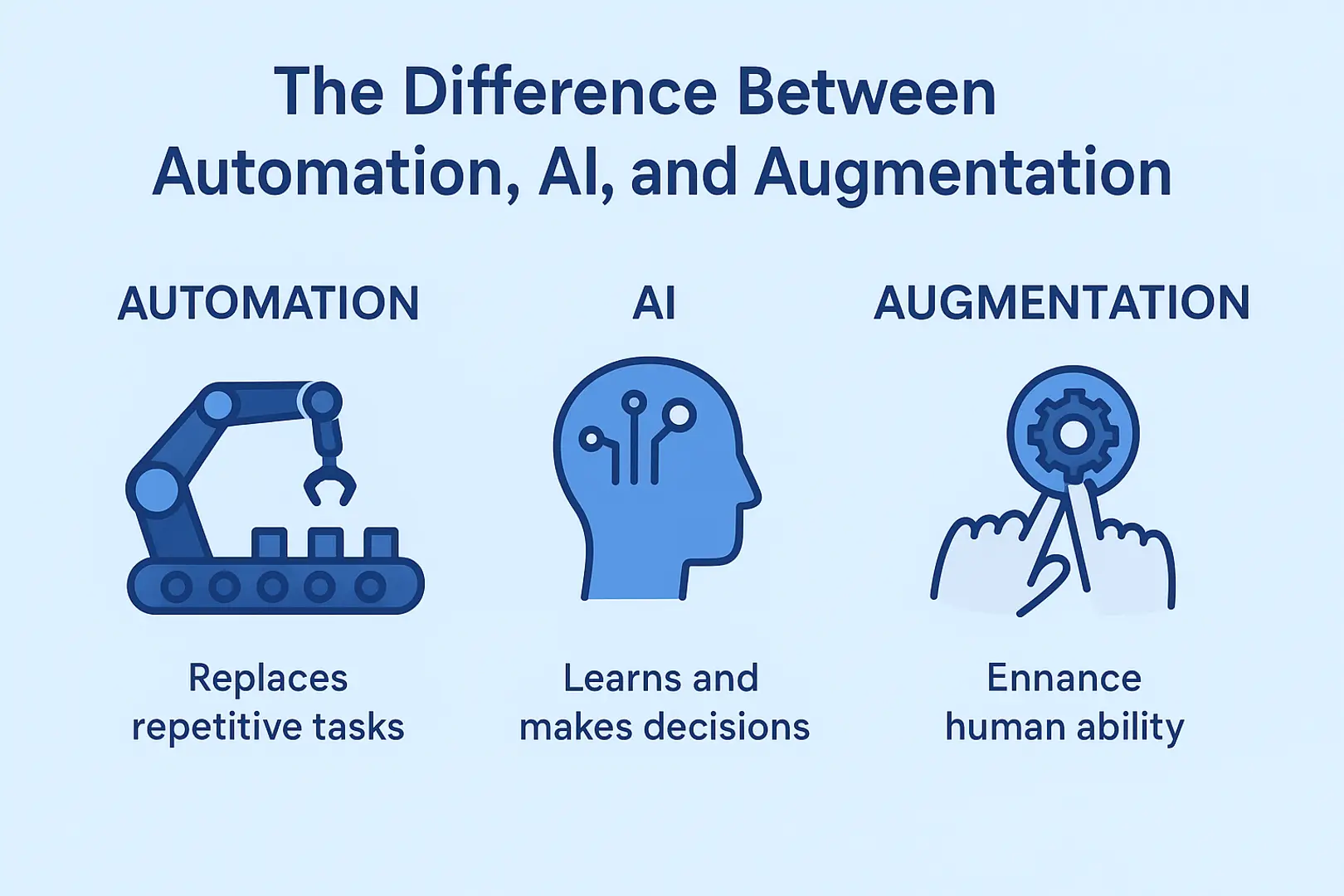
The Difference Between Automation, AI, and Augmentation
The Difference Between Automation, AI, and Augmentation
As technology advances, many people worry about how it will affect jobs. Will AI replace workers? Will automation make certain roles unnecessary? Or can technology actually help people do their best work?
The truth is: not all technology is the same. Understanding the difference between automation, artificial intelligence (AI), and augmentation helps workers and organizations prepare — instead of panic.
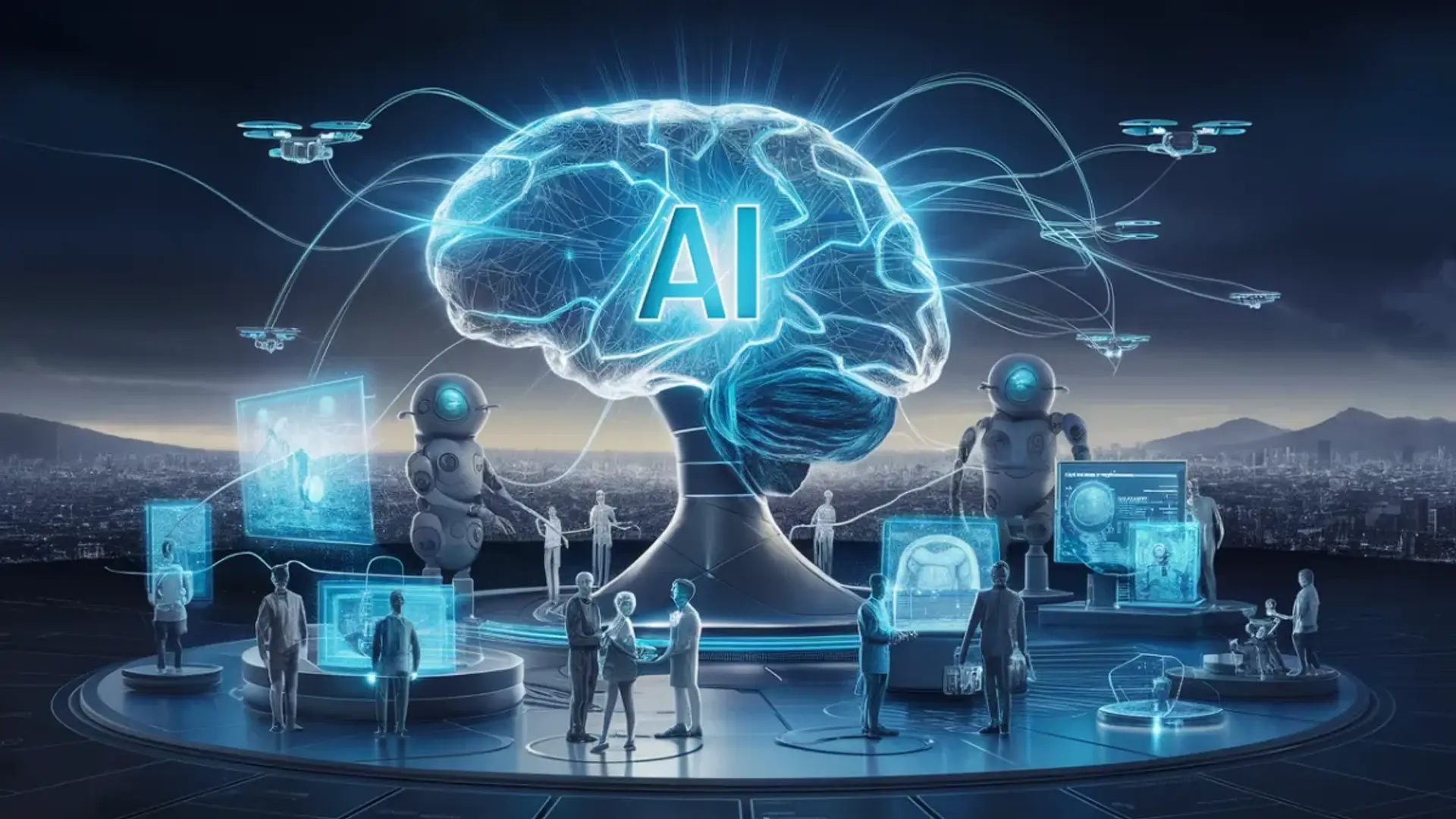
1.Automation: Replacing Repetitive Tasks
Automation refers to machines or software performing repetitive, rule-based tasks without human involvement.
Examples
- Auto-filling forms
- Manufacturing assembly lines
- Payroll processing
- Inventory scanning systems
What It Means for Work
Automation takes over the busy work — the steps that are predictable and time-consuming.
✅ Good news: Workers can focus on higher-value tasks
⚠️ Challenge: Some jobs based mainly on repetition may be redesigned
How to Adapt
Focus on skills that require judgment, communication, creativity, and leadership — things machines cannot replicate.
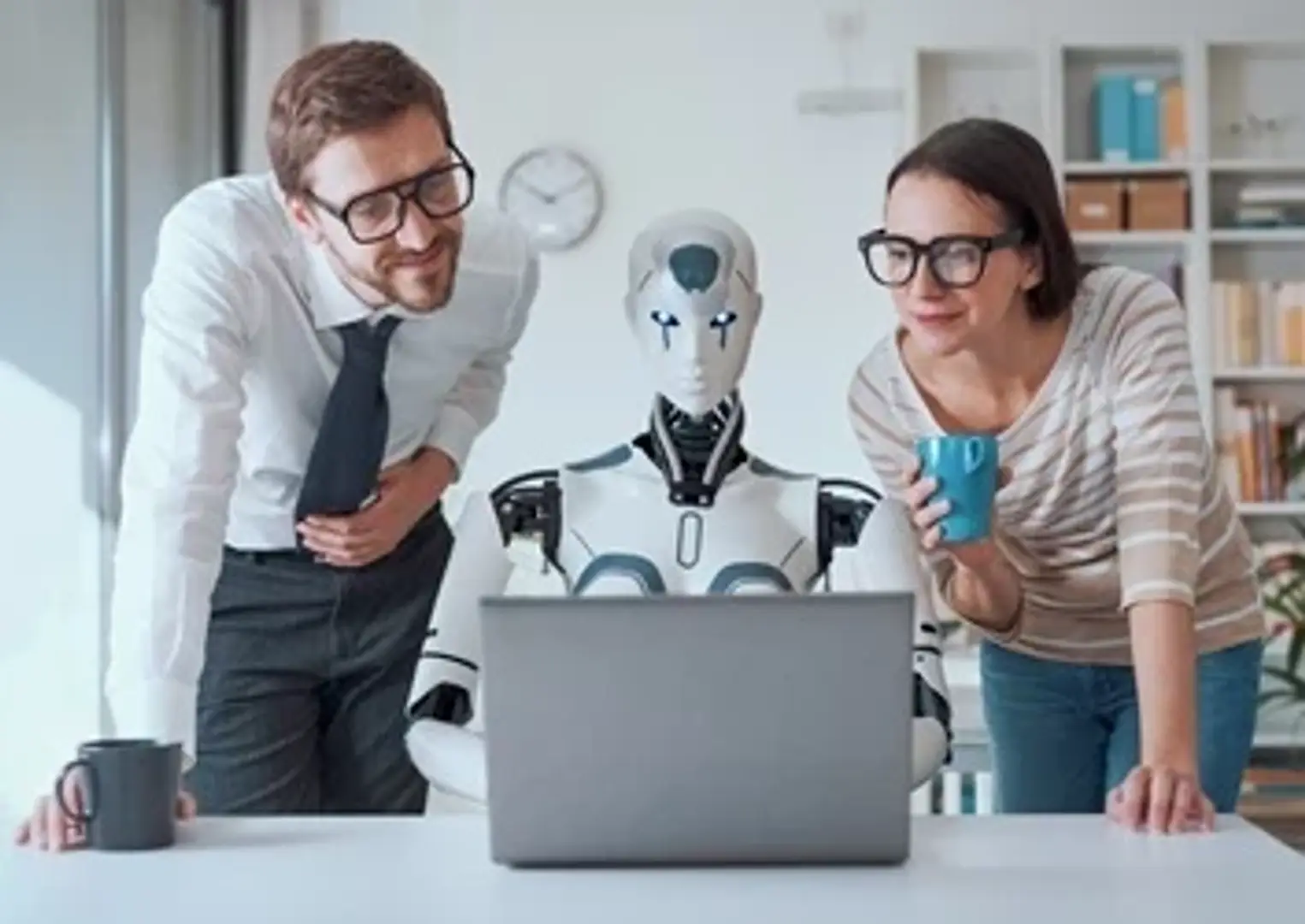
2.Artificial Intelligence: Learning and Making Decisions
AI goes beyond simple rules — it learns from data, detects patterns, and can make predictions or recommendations.
Examples
- ChatGPT and AI writing tools
- Medical diagnosis AI systems
- Fraud detection in banking
- Recommendation engines (e.g., Netflix, Spotify)
What It Means for Work
AI helps solve more complex tasks that used to require expertise.
✅ AI speeds up analysis and decision-making
⚠️Workers must understand how to interpret AI’s output — not blindly follow it
How to Adapt
- Build skills in:
- Problem-solving
- Data literacy
- Asking the right questions to guide AI tools
3.Augmentation: Humans + Technology Working Together
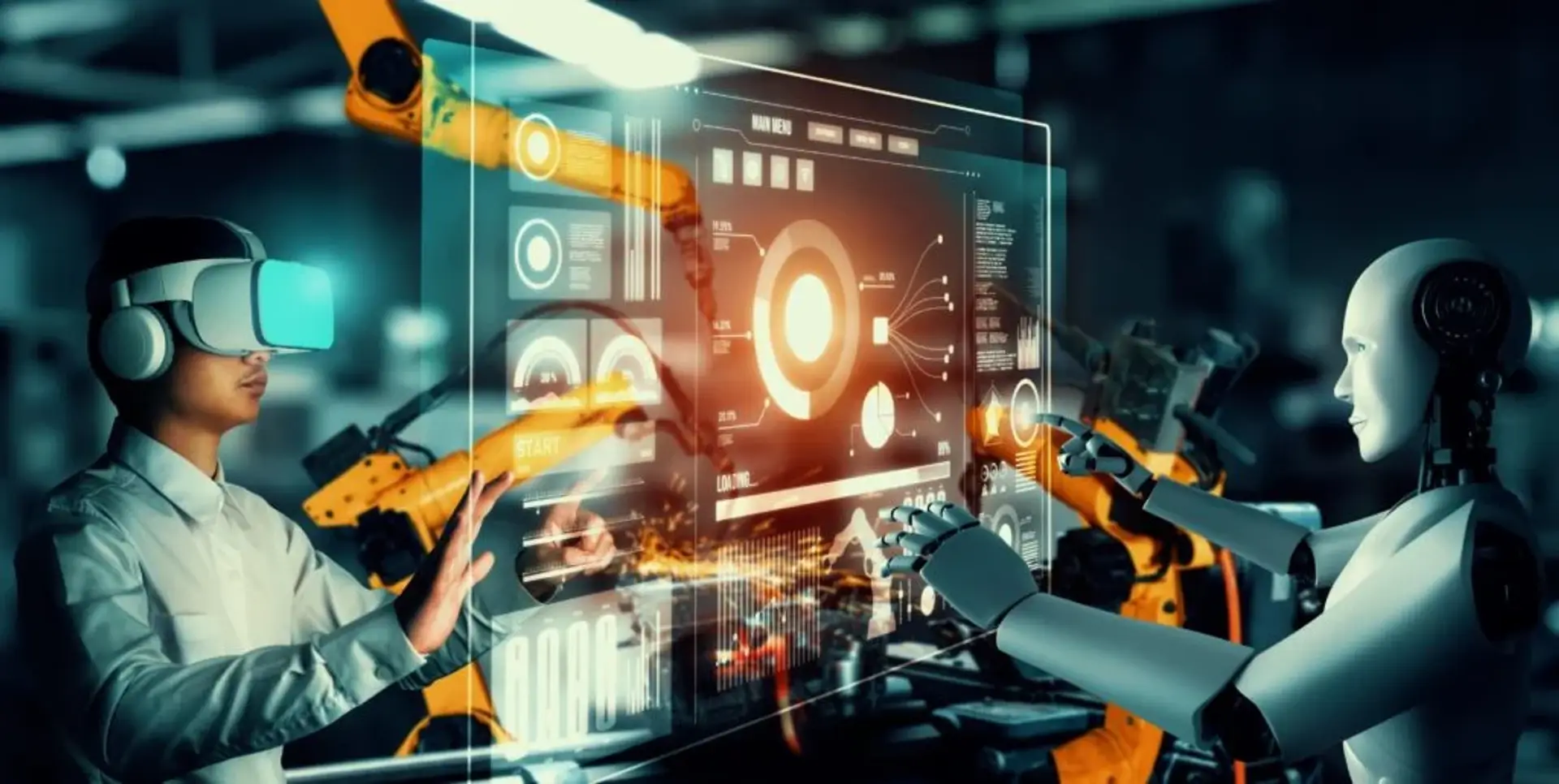
Augmentation is when technology enhances human ability — not replaces it.
This is where the future is headed.
Examples
- Doctors using AI to identify illness faster
- Customer service agents using AI-powered response assistants
- Designers using AI to generate concepts they refine
- Small business teams using AI to draft proposals or ads in minutes
What It Means for Work
Workers who know how to collaborate with technology become more efficient, more creative, and more valuable.
✅ Augmentation raises the value of human judgment and expertise
✅ Companies get more productivity without losing the human touch
So What Should Individuals Do Right Now?
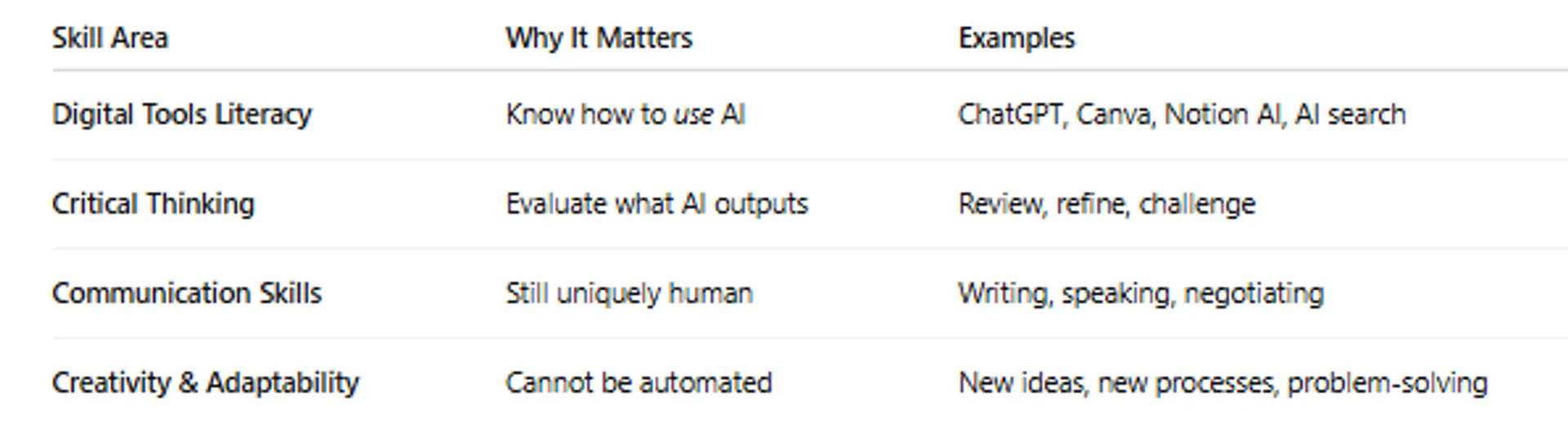
You don’t need to become a programmer. Focus on:
What Should Employers Do Right Now?
Smart companies are not replacing workers — they are reskilling them.
Practical First Steps
- Train employees to use AI tools (small workshops, weekly practice sessions)
- Redesign roles to include higher-value tasks and decision-making
- Encourage a culture of continuous learning
- Reward initiative, not just output
Companies that invest in people will win this era.
Final Thought
Technology doesn’t replace people — people who use technology replace people who don’t.
The future belongs to:
- Workers who are curious and willing to learn
- Leaders who invest in human potential
- Organizations who embrace human-AI collaboration
This isn’t about being replaced.
It’s about being equipped.
Related Posts
© 2025 Invastor. All Rights Reserved
User Comments