
Ai Content Generator
Ai Picture
Tell Your Story

 Raj Sharma
The Essential Guide to Bar Tables: Balancing Comfort, Style, and Functionality
Bar tables are more than just elevated surfaces — they’re gathering points where people share stories, meals, and memories. Found everywhere from trendy cafés to home kitchens, the bar table serves as a key element in modern design, offering both visual appeal and practical value.
Understanding the Purpose of Bar Tables
Bar tables bring a sense of casual sophistication to any space. Their height and structure encourage a more dynamic social experience — ideal for conversation, standing gatherings, or informal meals. Beyond restaurants and bars, these tables have found their way into home kitchens, open-plan living areas, and office break rooms.
Choosing the Right Height
The right bar table height ensures comfort and proper posture. Standard options include:
Counter-height tables (34–36 inches): Perfect for kitchen islands and casual dining.
Bar-height tables (40–42 inches): Ideal for bars, lounges, and outdoor patios.
Pairing them with the right stools is equally important, leaving about 10–12 inches of space between the seat and tabletop.
Material and Durability
Bar tables come in a range of materials suited to different settings:
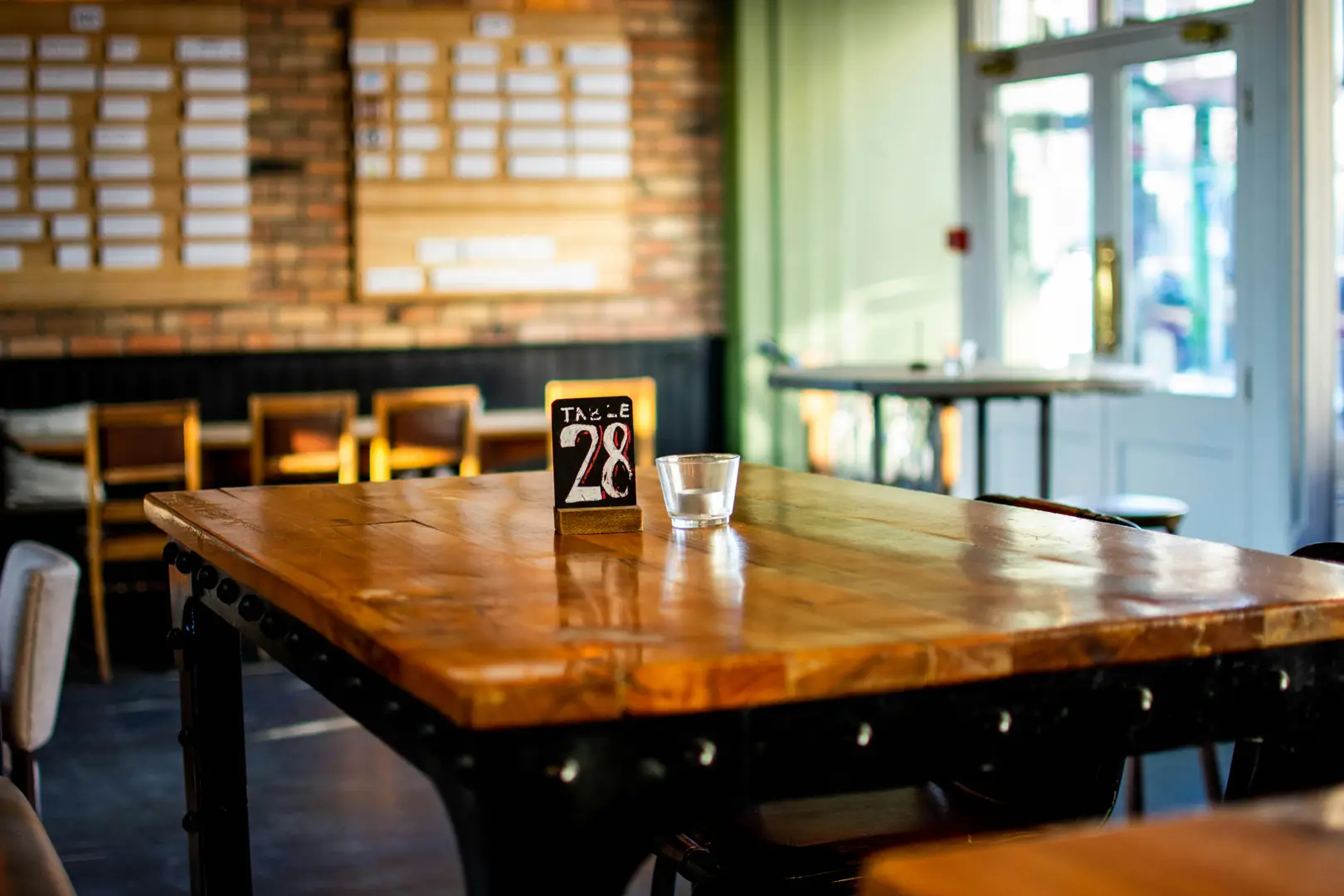
Wood: Warm and timeless, works well for traditional or rustic interiors.
Metal: Offers a sleek, industrial look ideal for modern and commercial settings.
Laminate and Veneer: Easy to clean and budget-friendly for high-traffic areas.
Glass: Adds elegance but requires care to prevent smudges and scratches.
For outdoor spaces, look for powder-coated metal or treated wood to resist the elements.
Shape and Design Considerations
The shape of your bar table can influence flow and comfort:
Round tables create an intimate, social atmosphere.
Square tables maximize corner spaces.
Rectangular tables accommodate larger groups or buffet-style setups.
Many modern designs also feature adjustable heights or modular configurations that adapt to various uses.
Space Planning and Layout
For restaurants or hospitality venues, spacing is critical. Leave at least 24 inches between stools for comfort and 42–48 inches of clearance for walkways. For homes, ensure the table fits naturally with your existing layout without obstructing movement.
The Social Element of Bar Tables
Bar tables encourage interaction. In commercial settings, they break the formality of traditional dining layouts and create a lively, engaging environment. In homes, they serve as multifunctional hubs for dining, working, or entertaining.
Modern Trends in Bar Table Design
Recent trends emphasize minimalist frames, mixed materials, and sustainable finishes. Matte black bases, wood tops, and marble accents are popular choices that blend functionality with modern aesthetics.
Reliable Sources for Quality Furniture
When investing in furniture that needs to endure heavy use, durability and craftsmanship matter. Brands such as Seats and Stools specialize in commercial-quality bar tables that combine design versatility with reliable construction for both residential and professional use.
Final Thoughts
A great bar table seamlessly merges design and practicality. It’s not just a surface for dining or drinks — it’s a space where people connect. By considering height, material, and placement, you can create an inviting environment that suits both casual gatherings and formal interiors alike.
Related Posts
© 2025 Invastor. All Rights Reserved
User Comments