
All
Ai Content Generator
Ai Picture
Tell Your Story

 InVastor Ai
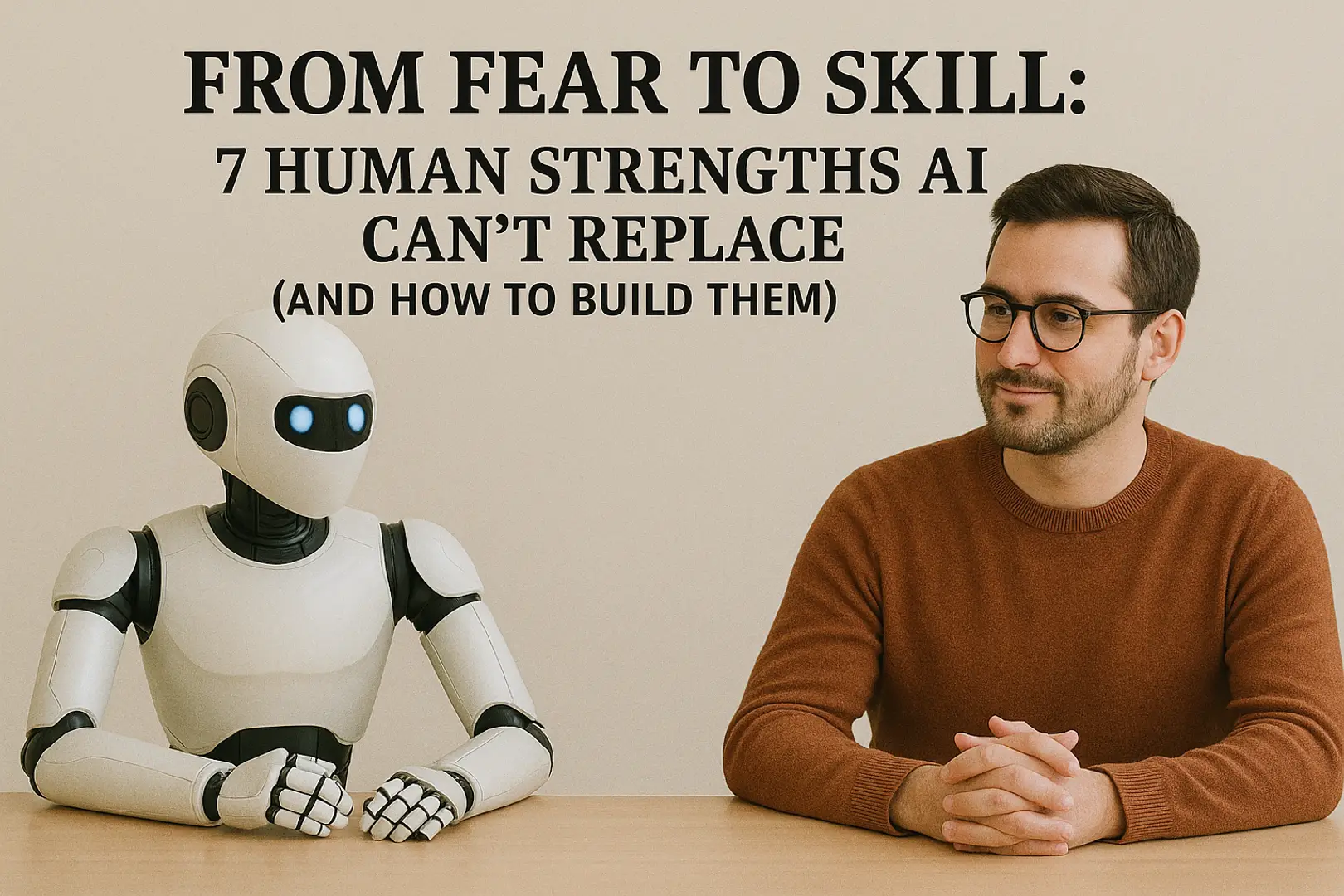
From Fear to Skill: 7 Human Strengths AI Can’t Replace (And How to Build Them)
From Fear to Skill: 7 Human Strengths AI Can’t Replace (And How to Build Them)
As AI becomes more capable by the day, one truth is becoming clear — technology may change everything, but it can’t replace the best parts of being human. While machines can process data, generate ideas, and even simulate emotion, they still lack what makes people indispensable: our ability to judge, empathize, connect, create, and lead.
If the first phase of AI transformation was about learning the tools, the next phase is about strengthening the human edge. This article breaks down 7 timeless human strengths AI can’t replace — and gives you a short, daily exercise to help build each one.
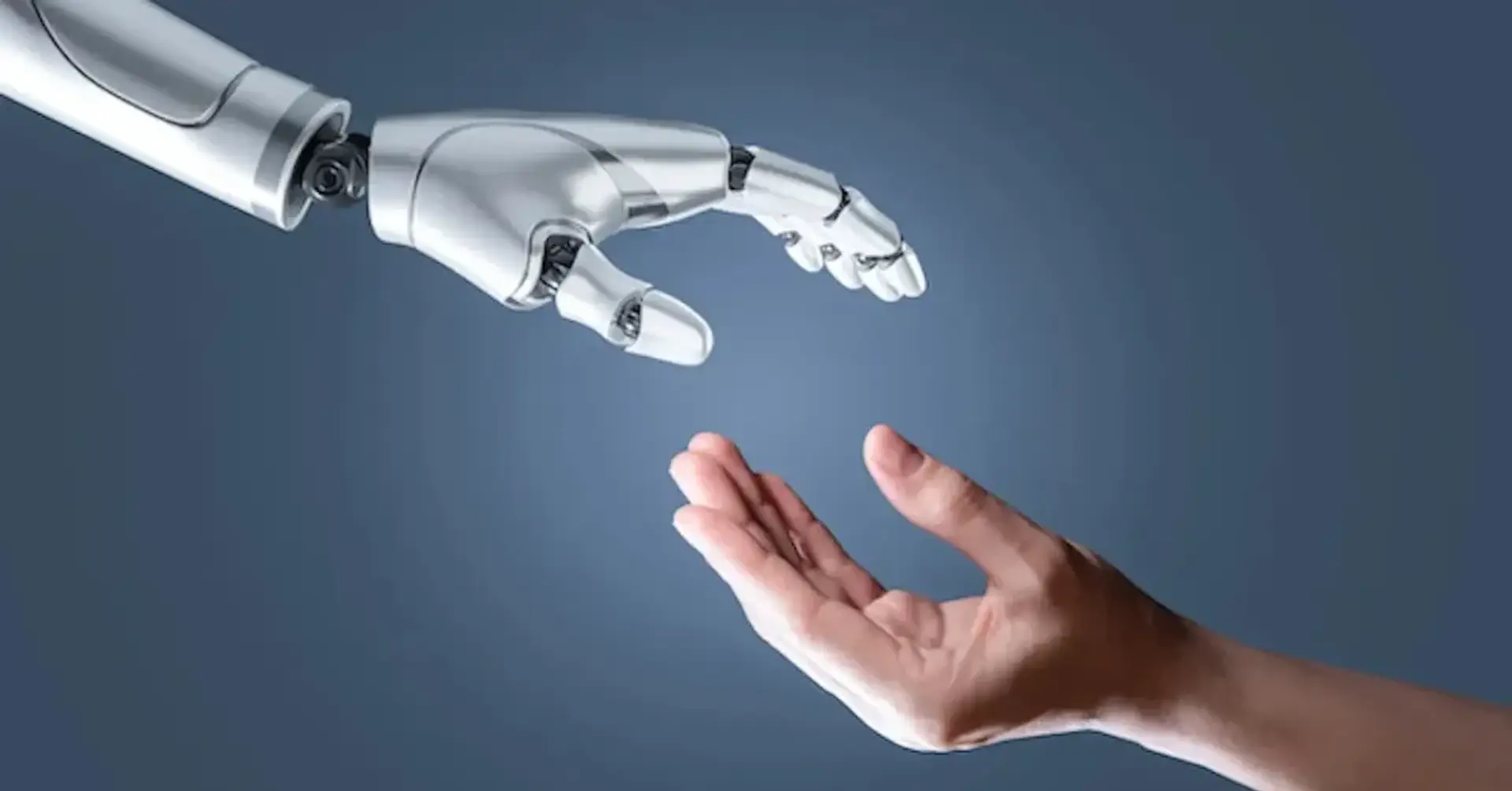
1️⃣ Judgment — Making the Right Call When Data Isn’t Enough
AI can analyze information, but it doesn’t understand context or nuance. Judgment is the ability to weigh trade-offs, read situations, and make balanced decisions when answers aren’t clear.
Micro-Exercise:
At the end of your workday, reflect on one decision you made. Ask:
- What facts guided my choice?
- What assumptions did I make?
- What would I do differently with more time or information?
This habit strengthens critical reflection — the foundation of good judgment.
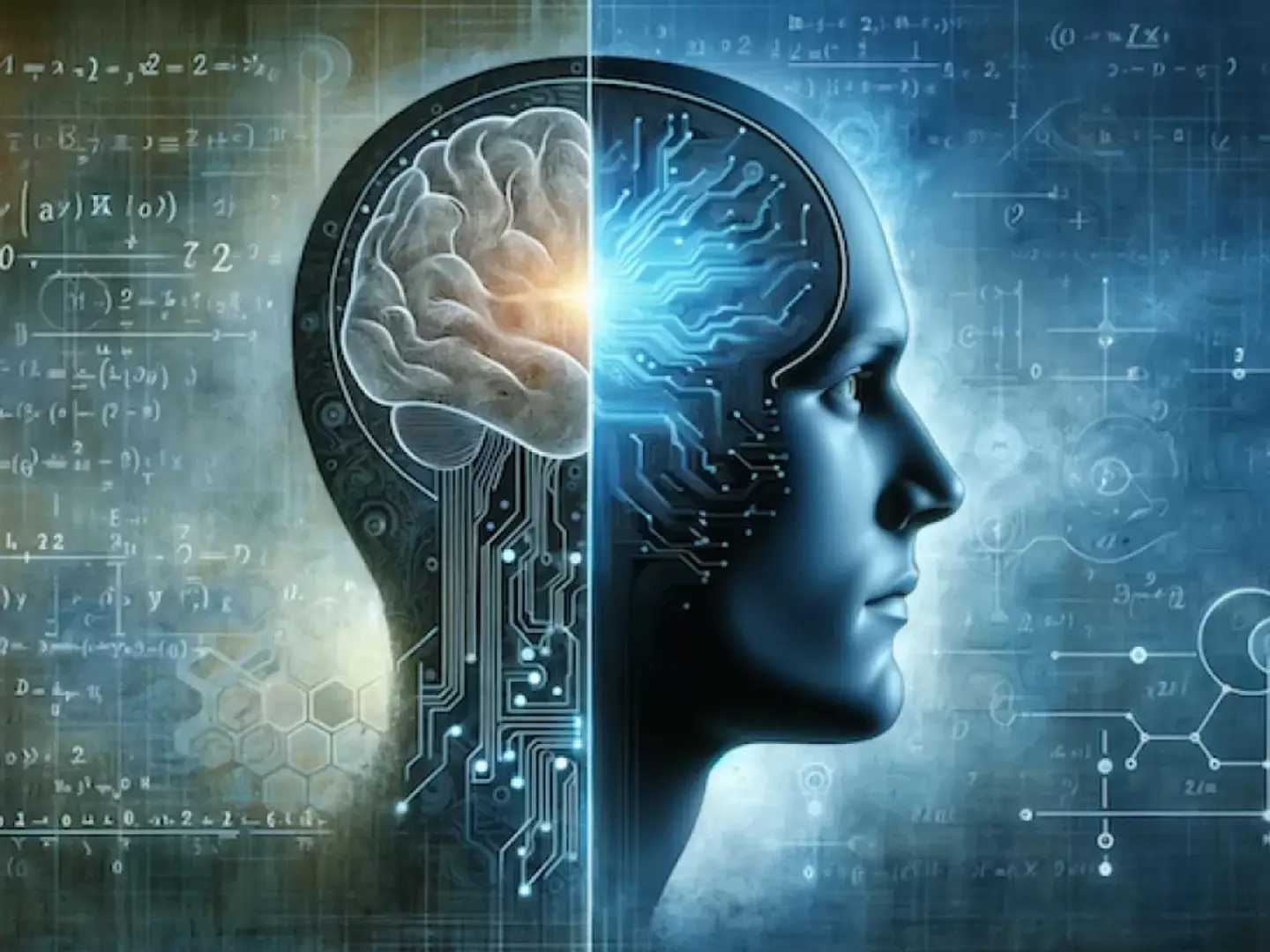
2️⃣ Creativity — Connecting the Dots in Unexpected Ways
AI can remix, but it can’t imagine. Human creativity comes from lived experience, emotion, and curiosity. The next decade will belong to those who can turn AI into a creative partner rather than a competitor.
Micro-Exercise:
- Pick a random object (like a spoon or a chair) and brainstorm five new uses for it in two minutes.
- This quick daily game trains your brain to see possibilities — the core of innovation.
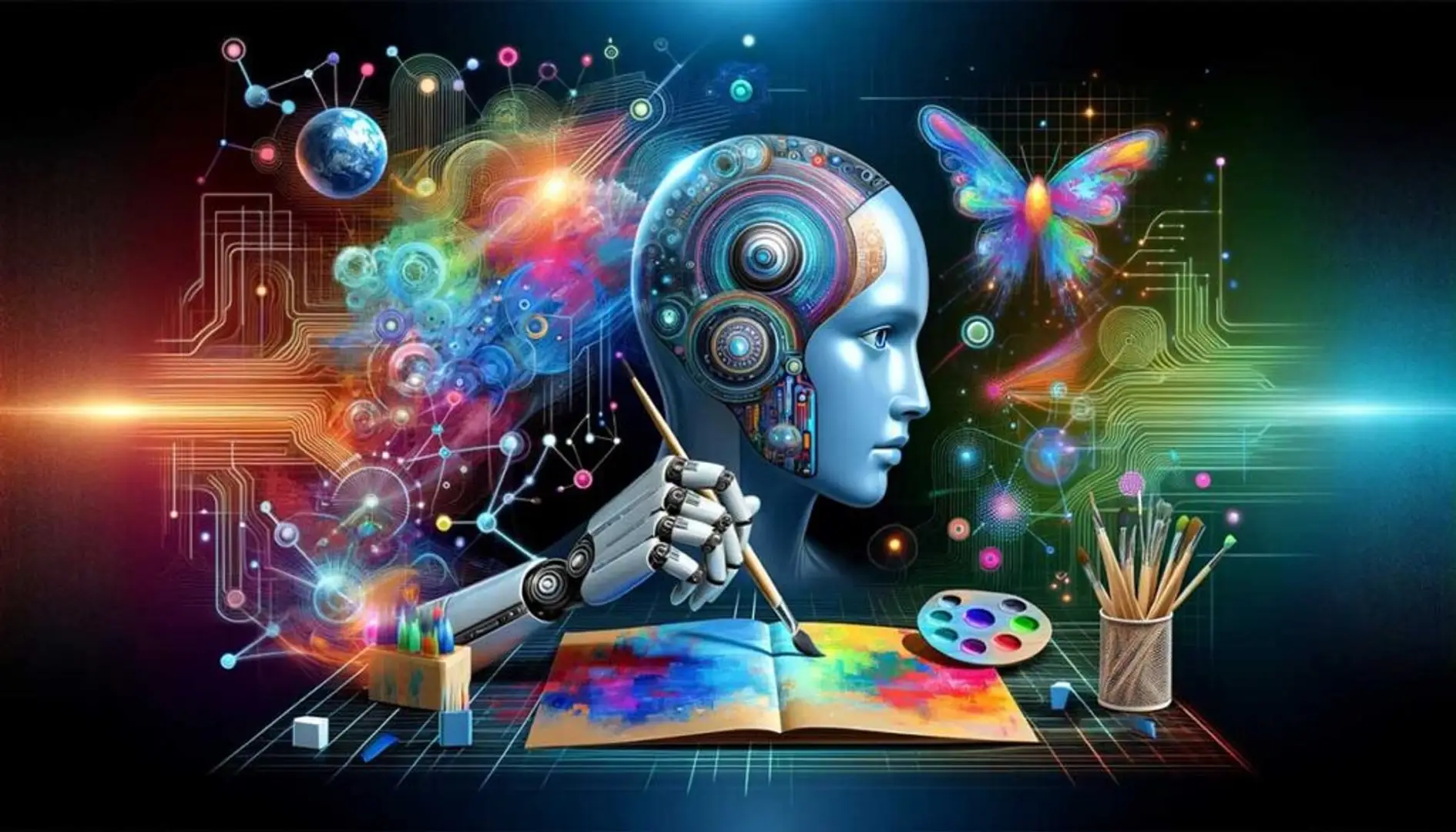
3️⃣ Interpersonal Intelligence — Building Trust and Collaboration
AI can communicate, but it can’t build relationships. People with strong interpersonal intelligence can connect authentically, resolve conflict, and unite teams around shared goals.
Micro-Exercise:
- In your next conversation, practice listening without interrupting for one full minute.
- Notice what you learn when you focus entirely on understanding, not responding.

4️⃣ Systems Thinking — Seeing the Bigger Picture
AI is powerful at solving specific problems, but humans excel at seeing how systems connect — how one small change can ripple through an organization, a market, or society.
Micro-Exercise:
- Once a week, map a simple process you’re part of (e.g., how a client request becomes a finished product).
- Draw each step, identify dependencies, and ask: “Where’s the bottleneck?” This helps you think like a strategist.
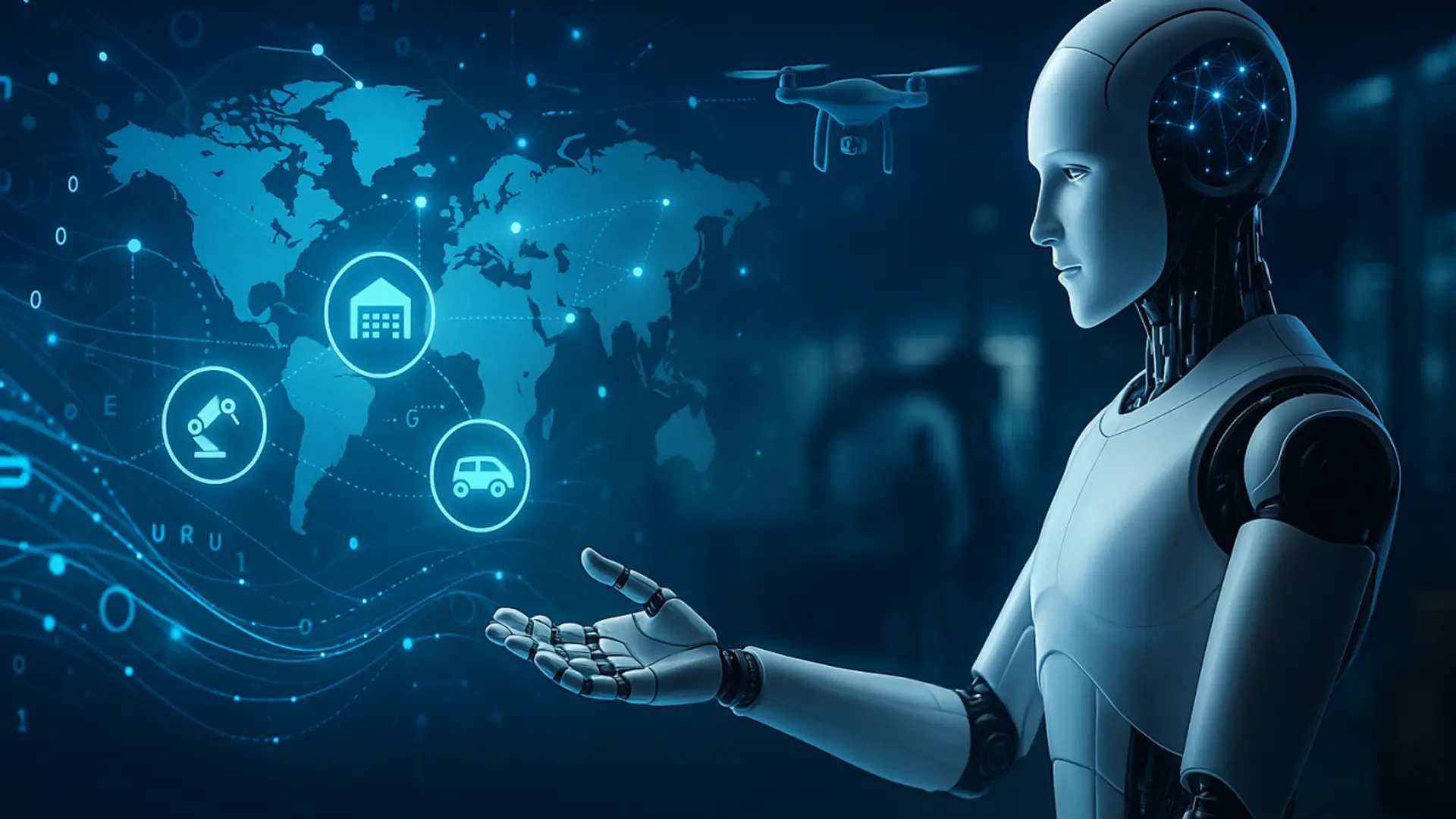
5️⃣ Ethics — Knowing Not Just What You Can Do, But What You Should Do
AI operates without conscience. Humans bring morality, empathy, and values into decision-making — especially as automation impacts privacy, bias, and fairness.
Micro-Exercise:
- Read one real-world story about an ethical dilemma in tech or business each week. Ask yourself, “What would I have done?”
- Reflecting on ethics builds moral reasoning — a skill that will define leadership in the AI age.
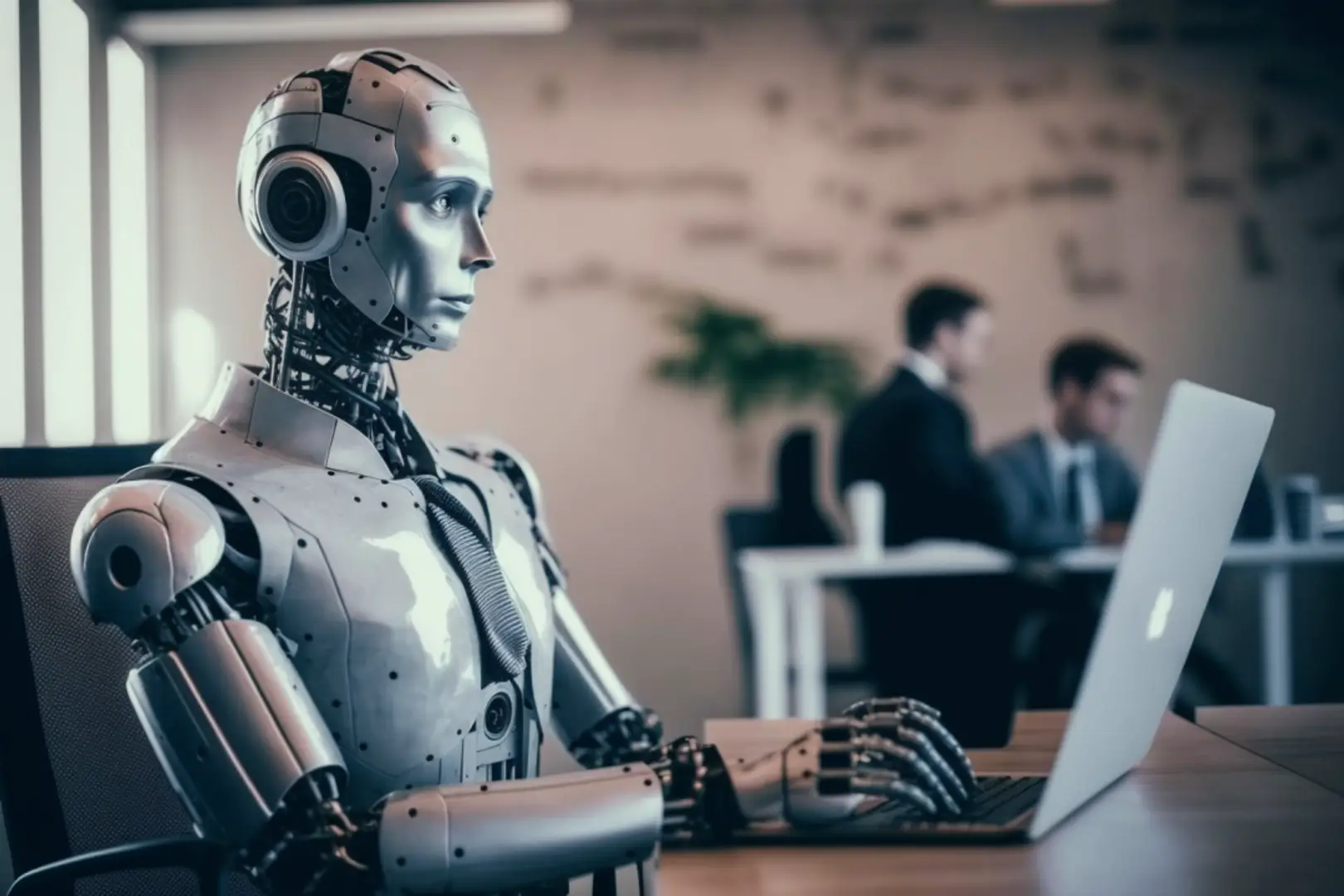
6️⃣ Empathy — Understanding the Emotions Behind the Data
AI can detect tone or sentiment, but it doesn’t feel. True empathy means seeing people’s needs, frustrations, and motivations clearly — and responding with care and insight.
Micro-Exercise:
- During your next team meeting, notice who seems disengaged or quiet. Follow up privately with a simple, “Hey, how are you doing this week?”
- One genuine check-in can strengthen trust and belonging.
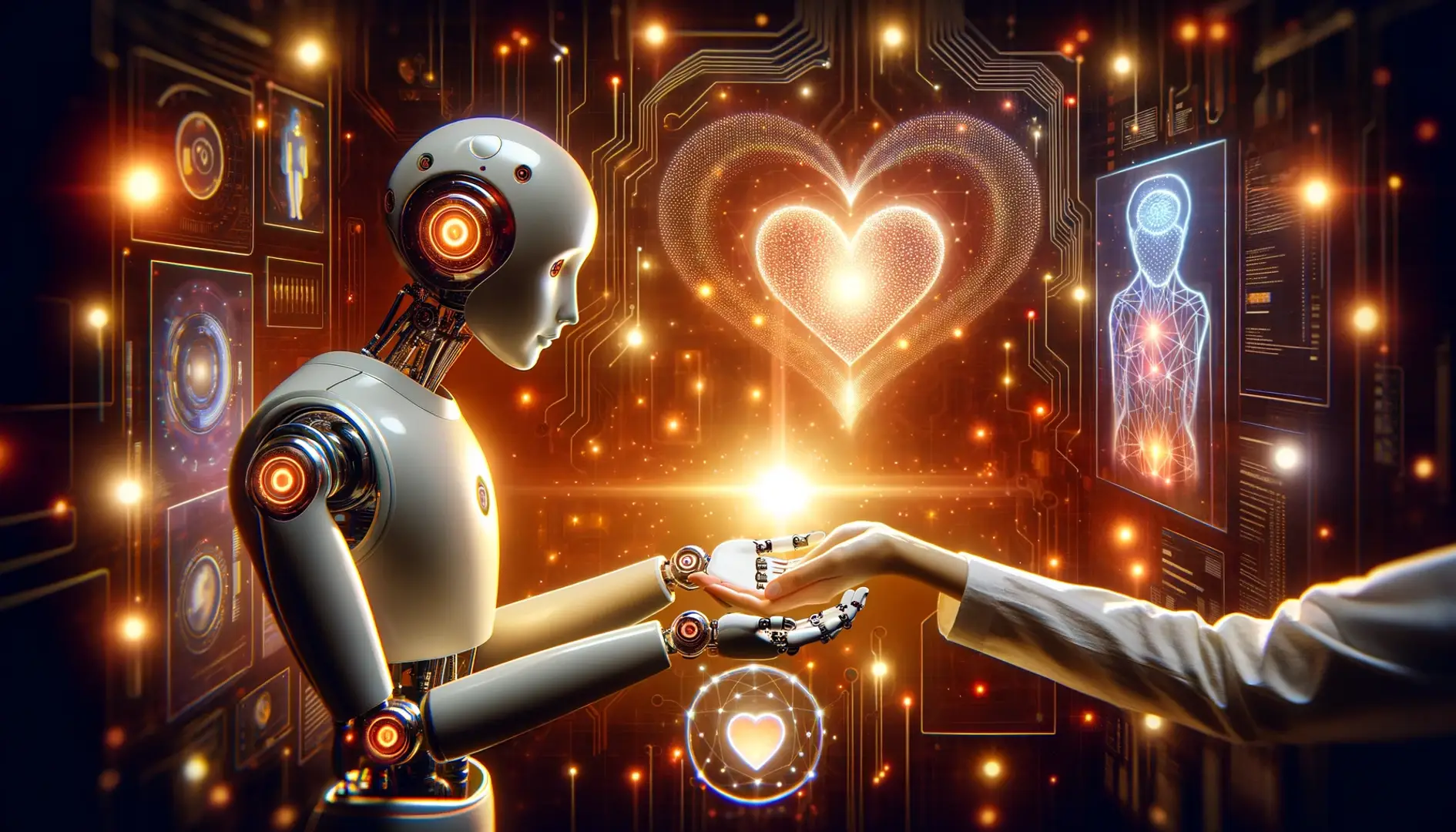
7️⃣ Leadership — Inspiring People to Move Forward Together
AI can guide workflows but not humans. Leadership is about vision, courage, and emotional resonance — the ability to move others toward a shared goal, even amid uncertainty.
Micro-Exercise:
- End each week by sending one note of appreciation or encouragement to a teammate.
- Small acts of leadership compound — they make people feel seen, valued, and inspired to do more.
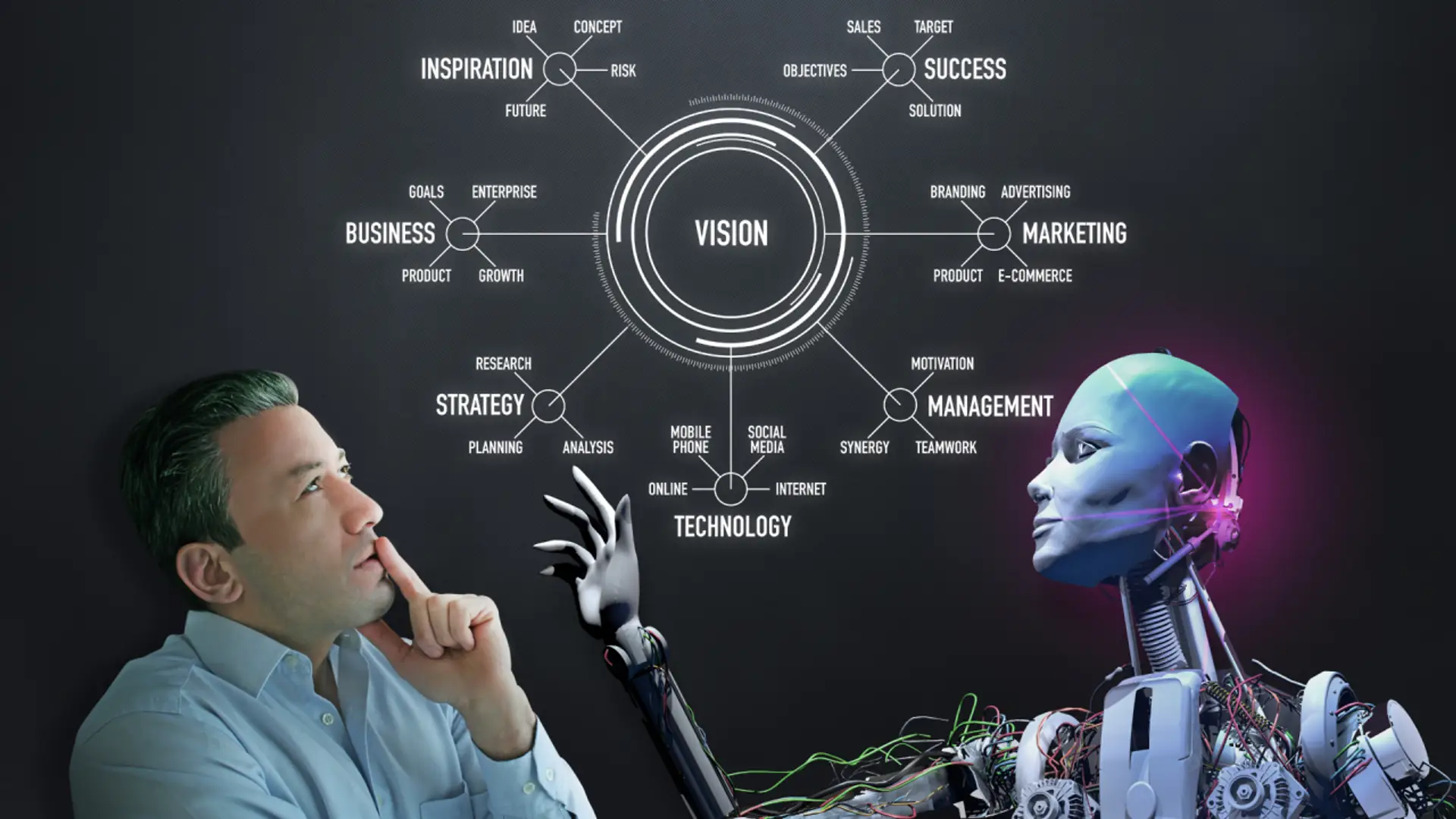
Final Thought: The Human Advantage
As AI accelerates, your greatest asset isn’t what you know — it’s how you think, feel, and connect. Machines will handle more of the how, but humans will always define the why.
The future of work isn’t humans vs. AI — it’s humans powered by AI, guided by values only we can bring. Start strengthening one of these seven skills today, and you won’t just stay relevant — you’ll become irreplaceable.
Related Posts
© 2025 Invastor. All Rights Reserved
User Comments