
Ai Content Generator
Ai Picture
Tell Your Story

 Lauren Bracy
How to Select Drain Grates That Enhance Your Landscape Design
When it comes to home improvement in Melbourne, many homeowners focus on aesthetic elements like plants, paving, or lighting. However, one often overlooked yet essential aspect of outdoor design is drainage — specifically, the choice of drain grates. Beyond functionality, the right drain grates can enhance your landscape design, add value to your property, and ensure compliance with local council standards.
In this guide, we’ll explore how to choose drain grates that complement your outdoor space while meeting Melbourne’s drainage requirements.
Understanding the Role of Drain Grates
Drain grates are the visible covers installed over drainage channels or pits to prevent debris from entering the system while allowing water to flow freely. In Melbourne’s variable weather — from dry summers to heavy rainfall — effective drainage is critical to prevent flooding, erosion, and structural damage.
High-quality drain grates serve both functional and aesthetic purposes:
- They keep leaves, soil, and debris from clogging drains.
- They prevent accidents by covering open drainage channels.
- They enhance outdoor design by integrating seamlessly into patios, driveways, and gardens.
Types of Drain Grates Available in Melbourne
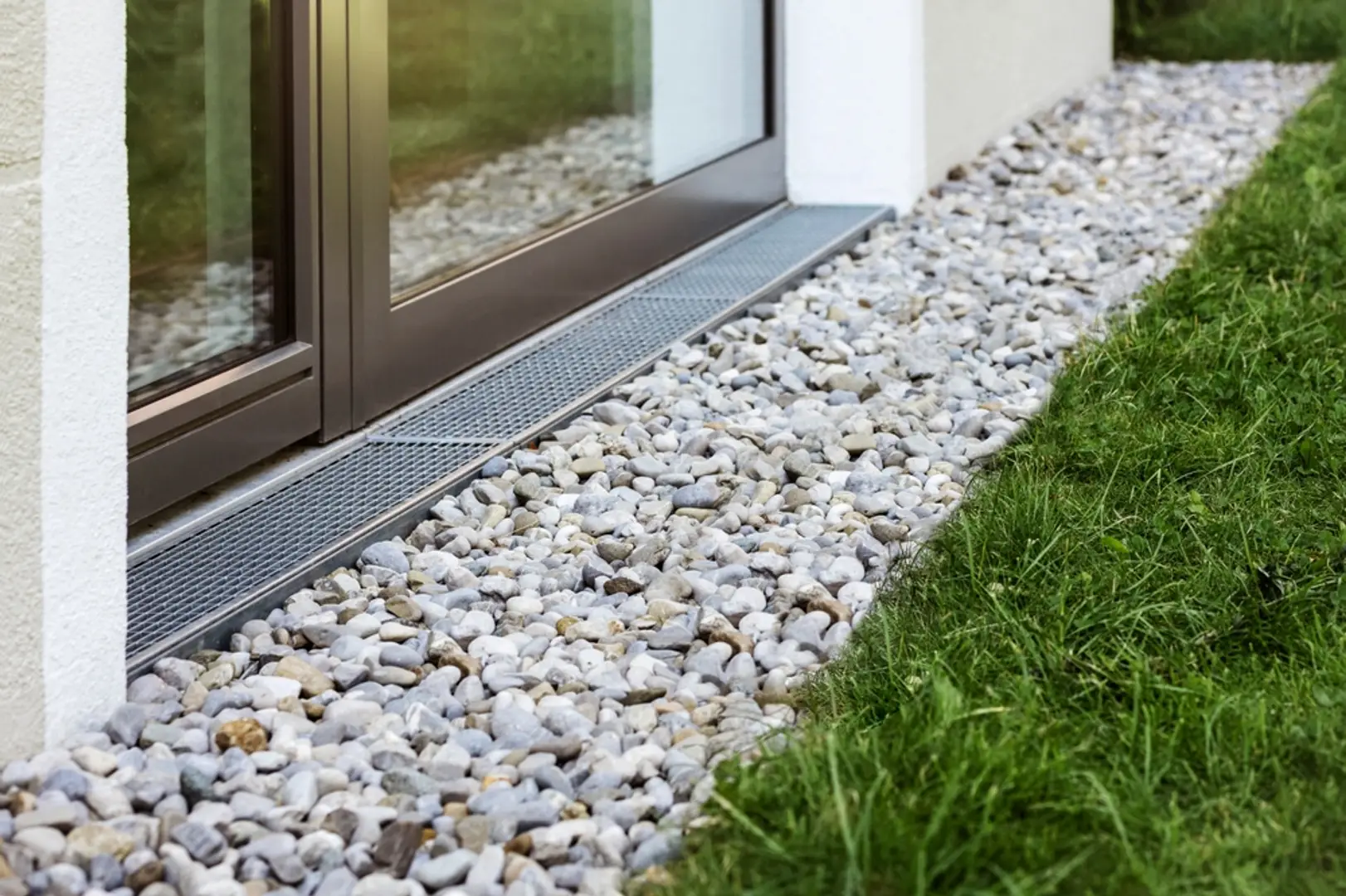
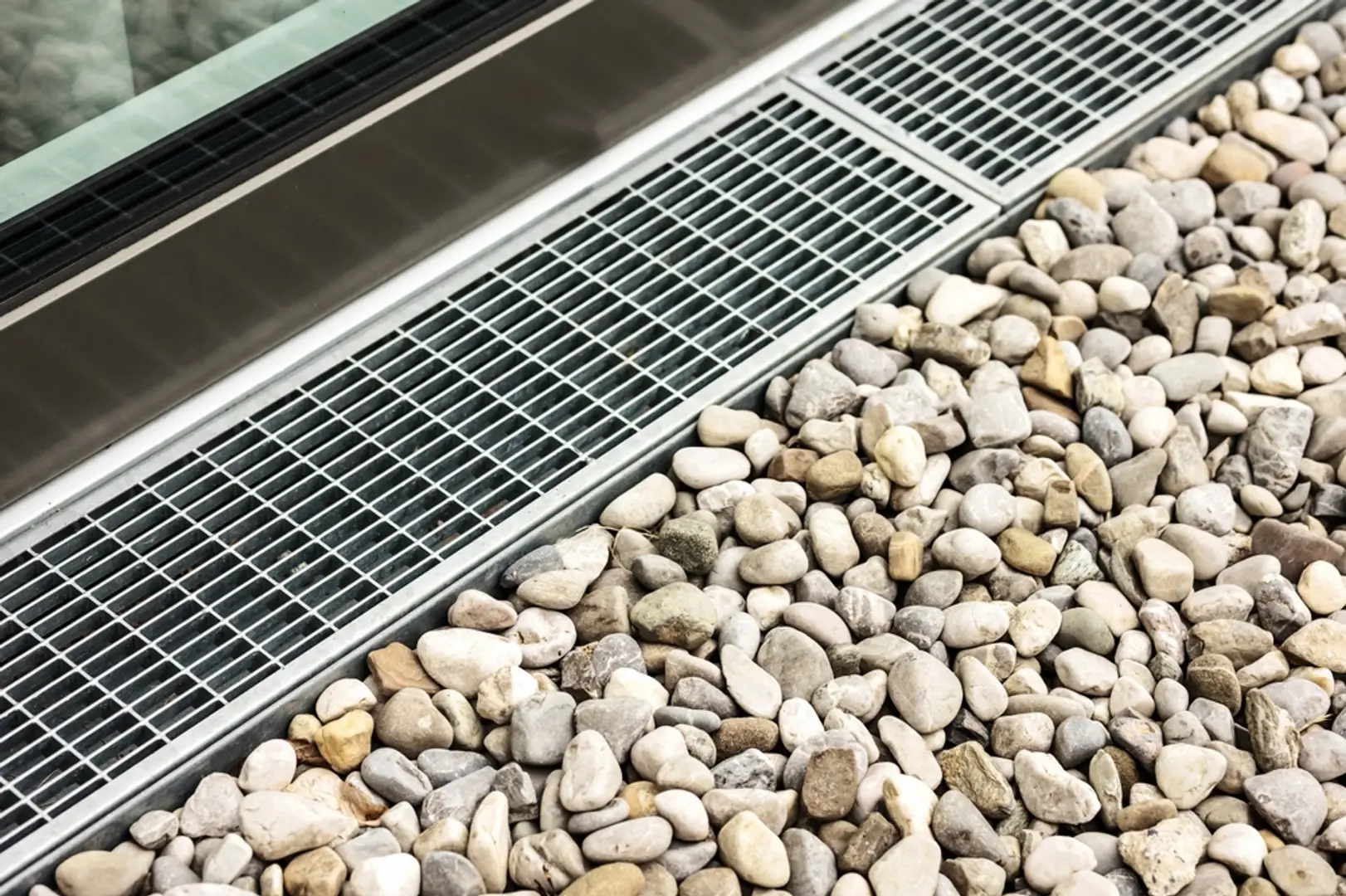
Choosing the right drain grates depend on its application, material, and aesthetic appeal. Here are the most common types you’ll find across Melbourne homes and commercial landscapes:
- Stainless Steel: Perfect for modern homes, stainless steel grates offer sleek lines and corrosion resistance. They’re ideal for pool areas, patios, and driveways. Stainless steel is also a top pick for Melbourne’s coastal suburbs where salt exposure can be an issue.
- Cast Iron: Known for their strength and durability, cast iron grates are commonly used in high-traffic areas such as public spaces and driveways. They provide a traditional look that suits Melbourne’s heritage-style homes.
- Plastic and Polymer: Lightweight yet durable, polymer grates are cost-effective and easy to install. These are suitable for garden pathways and light pedestrian zones. Many Melbourne homeowners choose them for residential landscaping due to their versatility and affordability.
- Aluminium: Sleek and lightweight, aluminium grates are rust-resistant and ideal for decorative landscape projects. They come in various patterns that complement contemporary outdoor spaces.
- Custom: For those who want their drainage to double as design, custom decorative drain grates can be laser-cut with intricate patterns. Melbourne’s boutique landscape designers often use these to align with architectural themes or branding for commercial spaces.
Factors to Consider When Choosing Drain Grates
Before purchasing drain grates for your Melbourne property, consider the following:
1. Load Rating and Strength
Different grates are rated for specific load capacities. For example:
Class A–B: Suitable for pedestrian areas, gardens, and patios.
Class C–D: Ideal for driveways and light commercial use.
Class E–F: Designed for heavy-duty and industrial zones.
Check the Australian Standards (AS 3996) for guidance on load classes.
2. Aesthetic Integration
In landscape design, drain grates should blend seamlessly. For example, a stainless steel slot drain might complement a modern concrete courtyard, while a cast iron grate suits a Victorian terrace.
3. Maintenance Requirements
Choose a grate that’s easy to remove for cleaning. Melbourne’s leafy suburbs like Kew and Camberwell are prone to leaf build-up, so easy-access grates are ideal.
4. Compliance with Local Regulations
Ensure your installation meets Melbourne Water and local council drainage regulations. Improper drainage can cause property damage or runoff issues, potentially leading to fines or repair orders.
Integrating Drain Grates into Your Landscape Design
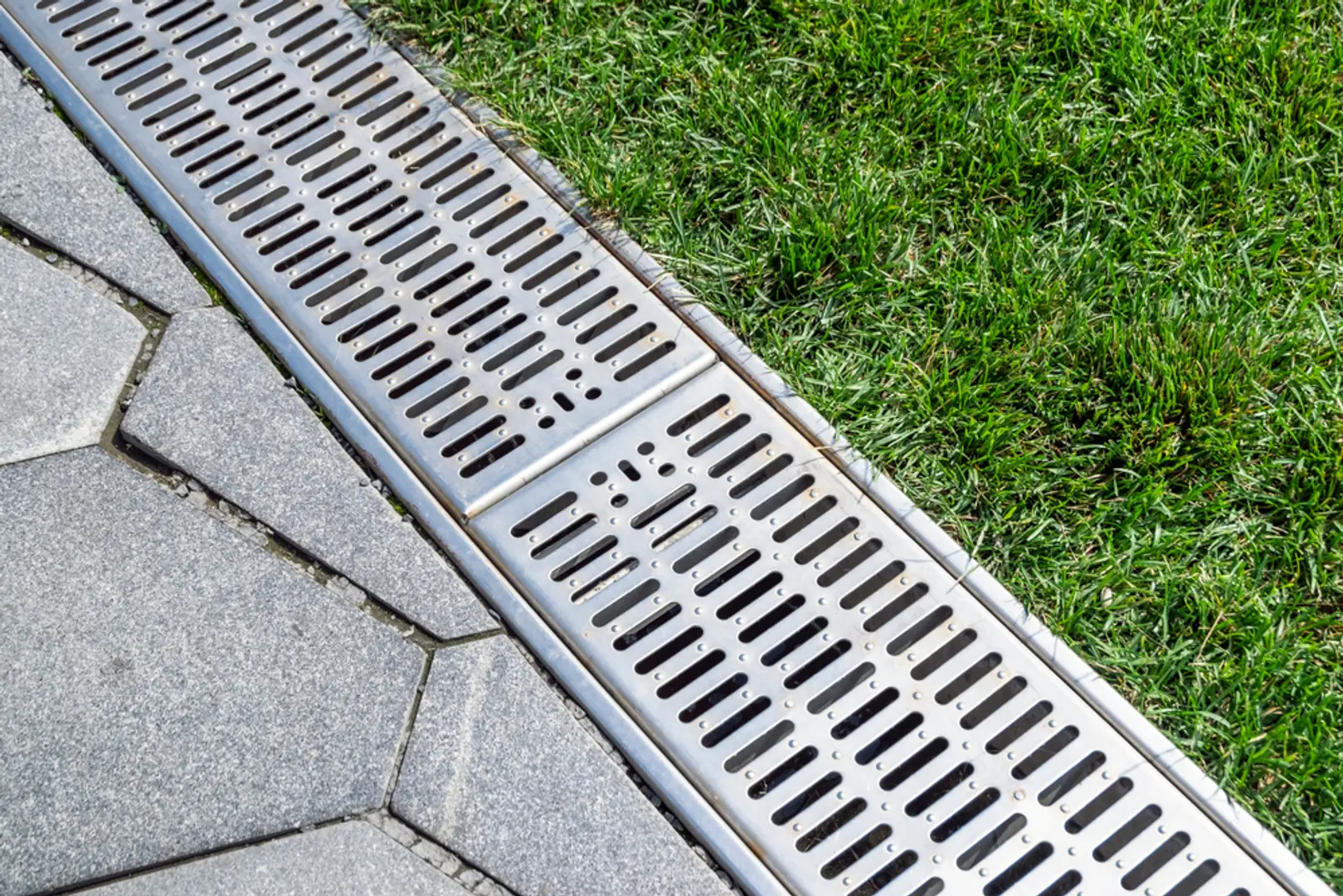
- Driveways and Walkways: Install linear trench drain grates along driveways or walkways to manage surface water efficiently. Choose a pattern that complements paving stones or concrete textures.
- Pool and Patio Areas: In pool areas, opt for slimline stainless steel grates that manage overflow while maintaining a clean aesthetic. Anti-slip finishes are a must for safety.
- Gardens and Lawns: Discreet polymer grates can be used to prevent waterlogging around plants while maintaining natural soil drainage.
- Architectural Features: For a high-end look, integrate decorative grates into courtyards or entrances as part of your hardscape design. Laser-cut options with geometric or organic patterns are trending in Melbourne’s landscape scene.
Questions and Answers: Common Questions About Drain Grates in Melbourne, Australia
Q1: What are the local council regulations for installing drain grates in Melbourne?
Most Melbourne councils follow the AS 3500.3 Plumbing and Drainage Code, requiring stormwater drainage to connect to the legal point of discharge. Grates must meet AS 3996 load rating standards depending on usage.
Q2: Are stainless steel drain grates suitable for Melbourne’s coastal areas?
Yes. Stainless steel, particularly 316 marine-grade, resists corrosion from salt air and moisture, making it perfect for suburbs like St Kilda or Brighton.
Q3: How often should I clean my drain grates?
In leafy areas like Hawthorn or Toorak, clean grates every two to three months to prevent blockage. For paved courtyards or pool zones, quarterly maintenance is generally sufficient.
Q4: Can drain grates improve the look of my landscape?
Absolutely. With a variety of finishes and patterns available, drain grates can become an integral design feature that enhances aesthetics while serving a functional purpose.
Conclusion
Selecting the right drain grates is about more than managing water — it’s about enhancing your home’s design, safety, and long-term value. Whether you’re upgrading your garden, renovating your driveway, or building a new home in Melbourne, a well-planned drainage system ensures functionality without sacrificing beauty.
To get started, assess your property’s drainage needs, choose materials that suit your climate and aesthetic, and consult local experts who understand Melbourne’s regulations and environment. With the right drain grates, you’ll not only protect your investment but also create a landscape that’s both elegant and efficient.
Related Posts
© 2025 Invastor. All Rights Reserved
User Comments