
Ai Content Generator
Ai Picture
Tell Your Story

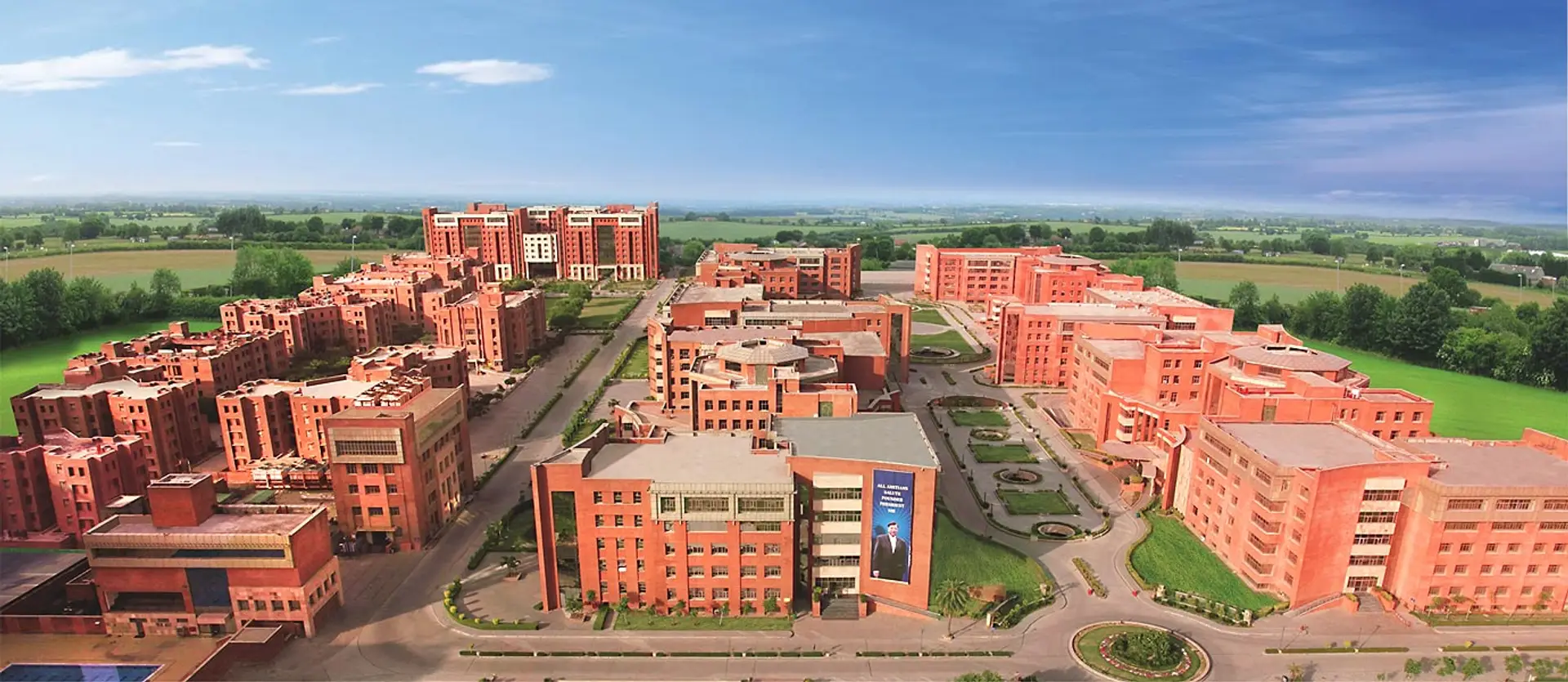
 Amity University
Exploring B.Sc Biotechnology: Course Details, Scope & Top
Biotechnology is one of the most fascinating and rapidly evolving fields in modern science. It blends biology, chemistry, and technology to create innovative solutions that improve human life, agriculture, and the environment. For students passionate about science and innovation, pursuing a B.Sc Biotechnology is an excellent choice. This undergraduate program is designed to provide a strong foundation in biological processes, molecular biology, genetics, and laboratory techniques while preparing students for exciting career opportunities in research, healthcare, pharmaceuticals, and more.
What is B.Sc Biotechnology?
A Bachelor of Science in Biotechnology, commonly known as B.Sc Biotechnology or B Sc Biotechnology, is a three or four-year undergraduate degree that focuses on the study of living organisms and how they can be used to develop new technologies and products. The course integrates multiple disciplines such as biology, chemistry, physics, and computer science.
During the course, students learn about cell biology, molecular genetics, microbiology, bioinformatics, immunology, and biochemistry. They also gain practical experience through laboratory work, experiments, and research projects. The program aims to help students understand the mechanisms of living systems and how these can be applied in industries like healthcare, food, agriculture, and environmental conservation.
Course Duration and Structure
Most B.Sc Biotechnology programs in India are spread over three years and divided into six semesters. Some universities also offer a four-year “Honours” or “Honours with Research” program. Each semester includes a mix of theory classes, lab sessions, seminars, and project work.
The curriculum generally covers subjects such as:
• Molecular Biology
• Biochemistry
• Microbiology
• Genetics
• Immunology
• Plant and Animal Biotechnology
• Bioinformatics
• Biostatistics
• Environmental Biotechnology
• Industrial Biotechnology
Apart from theoretical knowledge, practical lab sessions play a crucial role. Students learn how to use laboratory equipment, handle biological samples, conduct experiments, and analyze data — essential skills for anyone pursuing a career in biotechnology.
Eligibility Criteria
To apply for a B.Sc in Bio Technology program, students must have completed their 10+2 (or equivalent) with Physics, Chemistry, and Biology as core subjects. Most colleges require a minimum of 50% aggregate marks. English is also often a mandatory subject.
While some universities grant admission based on merit in qualifying examinations, others conduct entrance tests or interviews to evaluate applicants’ understanding of science and aptitude for the field.
Skills Developed Through B.Sc Biotechnology
Studying B.Sc Biotechnology helps students build both theoretical knowledge and technical skills. Some of the key skills developed during the course include:
• Analytical thinking – Ability to analyze scientific data and draw logical conclusions.
• Laboratory proficiency – Hands-on experience with modern instruments and lab techniques.
• Research aptitude – Ability to design and conduct experiments independently.
• Communication skills – Writing scientific reports and presenting research findings.
• Problem-solving – Applying biotechnology concepts to real-world issues in health, food, and environment.
Why Choose Biotechnology as a Career?
The biotechnology sector is one of the fastest-growing industries in India and globally. It offers endless opportunities for innovation and research. From developing new vaccines and medicines to improving agricultural yields and creating eco-friendly products, biotechnology professionals play a key role in shaping the future.
With advancements in genetics, molecular biology, and data-driven research, the demand for skilled biotechnologists is constantly rising. A B.Sc in Bio Technology serves as a stepping stone for students aspiring to work in healthcare, pharmaceuticals, agriculture, or scientific research.
Top Features of a Good B.Sc Biotechnology Program
While selecting from the best B Sc Biotechnology colleges, students should look for the following key features:
- Comprehensive Curriculum – A balanced syllabus that covers theoretical and applied aspects of biotechnology.
- Experienced Faculty – Teachers with research backgrounds and industrial experience enhance learning quality.
- Modern Laboratories – Well-equipped labs for microbiology, genetics, molecular biology, and biochemistry are essential.
- Research Opportunities – Colleges that encourage undergraduate research projects provide valuable exposure.
- Industry Collaboration – Tie-ups with biotech companies for internships, workshops, and placements add immense value.
- Scholarships & Financial Support – Merit-based or need-based scholarships make quality education accessible.
- Career Guidance & Placement Cell – Assistance in internships and job placements helps students transition smoothly into professional roles.
- Overview of the B.Sc Biotechnology Program at Amity University Noida
- Amity University Noida offers a comprehensive B.Sc Biotechnology (Honours/Honours with Research) program designed to meet global academic and industry standards. The program is full-time and extends over four years, including research-focused training.
- Key highlights include:
- • Eligibility: 10+2 with Physics, Chemistry, and Biology.
- • Selection: Based on application review and personal interview.
- • Program Type: Honours and Honours with Research options.
- • Duration: 4 years (full-time).
- • Focus: Research, innovation, and interdisciplinary learning.
- • Fee: Structured semester-wise with scholarships available.
- The curriculum emphasizes research-based learning, ensuring that students gain both conceptual clarity and hands-on experience in biotechnology tools and techniques. Students can also pursue additional online degrees to expand their qualifications.
- Career Opportunities After B.Sc Biotechnology
- Graduates with a B.Sc in Bio Technology degree have a wide range of career paths to choose from. Some of the popular sectors and roles include:
- Research & Development (R&D) – Work in research labs, biotechnology firms, or academic institutions to develop new products or technologies.
- Pharmaceuticals & Healthcare – Roles in drug discovery, vaccine development, or clinical testing.
- Agricultural Biotechnology – Developing genetically modified crops, biofertilizers, and biopesticides.
- Food Technology – Ensuring food safety and developing healthier or more sustainable food products.
- Environmental Biotechnology – Creating eco-friendly technologies for waste management and pollution control.
- Bioinformatics – Combining biology with computer science to analyze genetic and molecular data.
- Forensic Science – Applying biotechnology techniques to criminal investigations and DNA analysis.
- Higher Education Options After B.Sc Biotechnology
- After completing a B.Sc Biotechnology, students can pursue advanced degrees for specialization and research. Common postgraduate options include:
- • M.Sc Biotechnology
- • M.Sc Microbiology
- • M.Sc Genetics
- • M.Sc Molecular Biology
- • MBA in Biotechnology Management
- Those interested in research or teaching careers can also pursue a Ph.D. after their master’s degree.
- Salary and Job Prospects
- The salary of biotechnology graduates depends on their qualification, skill set, and the sector they work in. Fresh graduates can expect an average starting salary between ₹3 to ₹5 lakh per annum. With experience and higher education, this can rise significantly. Positions in research organizations, multinational pharmaceutical companies, and government agencies offer competitive packages and opportunities for career advancement.
- How to Choose the Best Biotechnology Colleges in India
- When shortlisting colleges, students should consider the following factors:
- • Accreditation and Ranking – Choose institutions recognized by UGC or NAAC-accredited for quality assurance.
- • Faculty Expertise – Check for professors with research publications and industry exposure.
- • Infrastructure – Laboratories, research centers, and access to modern equipment are crucial.
- • Placement Record – Colleges with a strong placement cell often have collaborations with top biotech firms.
- • Curriculum and Flexibility – Look for programs that allow electives or interdisciplinary study.
- • Alumni Network – A strong network helps with mentorship and job opportunities.
- The Future of Biotechnology in India
- India’s biotechnology industry is expanding rapidly, driven by government initiatives and growing investment in research and development. Fields like genomics, personalized medicine, bioinformatics, and environmental biotech are witnessing unprecedented growth. This has increased demand for qualified professionals with a background in biotechnology.
- Students graduating with a B.Sc Biotechnology degree today have a wide horizon of possibilities. With advancements in genetic engineering, nanobiotechnology, and synthetic biology, the next decade promises groundbreaking innovations — making biotechnology one of the most rewarding career paths in science.
- Conclusion
- A B.Sc Biotechnology degree provides a solid foundation for a fulfilling career in science, innovation, and research. It empowers students with the knowledge and technical skills required to contribute to major scientific developments across industries. Whether your interest lies in healthcare, agriculture, or environmental sustainability, biotechnology opens countless opportunities for exploration and discovery.
- As you explore various B Sc Biotechnology colleges in India, look for programs that emphasize both theoretical knowledge and practical training. Institutions offering honours and research-oriented options prepare students to become future-ready scientists and innovators. Choosing the right college for your B.Sc in Bio Technology can be the first step toward a dynamic and impactful career shaping the future of science and technology.
Biotechnology is one of the most fascinating and rapidly evolving fields in modern science. It blends biology, chemistry, and technology to create innovative solutions that improve human life, agriculture, and the environment. For students passionate about science and innovation, pursuing a B.Sc Biotechnology is an excellent choice. This undergraduate program is designed to provide a strong foundation in biological processes, molecular biology, genetics, and laboratory techniques while preparing students for exciting career opportunities in research, healthcare, pharmaceuticals, and more.
What is B.Sc Biotechnology?
A Bachelor of Science in Biotechnology, commonly known as B.Sc Biotechnology or B Sc Biotechnology, is a three or four-year undergraduate degree that focuses on the study of living organisms and how they can be used to develop new technologies and products. The course integrates multiple disciplines such as biology, chemistry, physics, and computer science.
During the course, students learn about cell biology, molecular genetics, microbiology, bioinformatics, immunology, and biochemistry. They also gain practical experience through laboratory work, experiments, and research projects. The program aims to help students understand the mechanisms of living systems and how these can be applied in industries like healthcare, food, agriculture, and environmental conservation.
Course Duration and Structure
Most B.Sc Biotechnology programs in India are spread over three years and divided into six semesters. Some universities also offer a four-year “Honours” or “Honours with Research” program. Each semester includes a mix of theory classes, lab sessions, seminars, and project work.
The curriculum generally covers subjects such as:
• Molecular Biology
• Biochemistry
• Microbiology
• Genetics
• Immunology
• Plant and Animal Biotechnology
• Bioinformatics
• Biostatistics
• Environmental Biotechnology
• Industrial Biotechnology
Apart from theoretical knowledge, practical lab sessions play a crucial role. Students learn how to use laboratory equipment, handle biological samples, conduct experiments, and analyze data — essential skills for anyone pursuing a career in biotechnology.
Eligibility Criteria
To apply for a B.Sc in Bio Technology program, students must have completed their 10+2 (or equivalent) with Physics, Chemistry, and Biology as core subjects. Most colleges require a minimum of 50% aggregate marks. English is also often a mandatory subject.
While some universities grant admission based on merit in qualifying examinations, others conduct entrance tests or interviews to evaluate applicants’ understanding of science and aptitude for the field.
Skills Developed Through B.Sc Biotechnology
Studying B.Sc Biotechnology helps students build both theoretical knowledge and technical skills. Some of the key skills developed during the course include:
• Analytical thinking – Ability to analyze scientific data and draw logical conclusions.
• Laboratory proficiency – Hands-on experience with modern instruments and lab techniques.
• Research aptitude – Ability to design and conduct experiments independently.
• Communication skills – Writing scientific reports and presenting research findings.
• Problem-solving – Applying biotechnology concepts to real-world issues in health, food, and environment.
Why Choose Biotechnology as a Career?
The biotechnology sector is one of the fastest-growing industries in India and globally. It offers endless opportunities for innovation and research. From developing new vaccines and medicines to improving agricultural yields and creating eco-friendly products, biotechnology professionals play a key role in shaping the future.
With advancements in genetics, molecular biology, and data-driven research, the demand for skilled biotechnologists is constantly rising. A B.Sc in Bio Technology serves as a stepping stone for students aspiring to work in healthcare, pharmaceuticals, agriculture, or scientific research.
Top Features of a Good B.Sc Biotechnology Program
While selecting from the best B Sc Biotechnology colleges, students should look for the following key features:
- Comprehensive Curriculum – A balanced syllabus that covers theoretical and applied aspects of biotechnology.
- Experienced Faculty – Teachers with research backgrounds and industrial experience enhance learning quality.
- Modern Laboratories – Well-equipped labs for microbiology, genetics, molecular biology, and biochemistry are essential.
- Research Opportunities – Colleges that encourage undergraduate research projects provide valuable exposure.
- Industry Collaboration – Tie-ups with biotech companies for internships, workshops, and placements add immense value.
- Scholarships & Financial Support – Merit-based or need-based scholarships make quality education accessible.
- Career Guidance & Placement Cell – Assistance in internships and job placements helps students transition smoothly into professional roles.
- Overview of the B.Sc Biotechnology Program at Amity University Noida
- Amity University Noida offers a comprehensive B.Sc Biotechnology (Honours/Honours with Research) program designed to meet global academic and industry standards. The program is full-time and extends over four years, including research-focused training.
- Key highlights include:
- • Eligibility: 10+2 with Physics, Chemistry, and Biology.
- • Selection: Based on application review and personal interview.
- • Program Type: Honours and Honours with Research options.
- • Duration: 4 years (full-time).
- • Focus: Research, innovation, and interdisciplinary learning.
- • Fee: Structured semester-wise with scholarships available.
- The curriculum emphasizes research-based learning, ensuring that students gain both conceptual clarity and hands-on experience in biotechnology tools and techniques. Students can also pursue additional online degrees to expand their qualifications.
- Career Opportunities After B.Sc Biotechnology
- Graduates with a B.Sc in Bio Technology degree have a wide range of career paths to choose from. Some of the popular sectors and roles include:
- Research & Development (R&D) – Work in research labs, biotechnology firms, or academic institutions to develop new products or technologies.
- Pharmaceuticals & Healthcare – Roles in drug discovery, vaccine development, or clinical testing.
- Agricultural Biotechnology – Developing genetically modified crops, biofertilizers, and biopesticides.
- Food Technology – Ensuring food safety and developing healthier or more sustainable food products.
- Environmental Biotechnology – Creating eco-friendly technologies for waste management and pollution control.
- Bioinformatics – Combining biology with computer science to analyze genetic and molecular data.
- Forensic Science – Applying biotechnology techniques to criminal investigations and DNA analysis.
- Higher Education Options After B.Sc Biotechnology
- After completing a B.Sc Biotechnology, students can pursue advanced degrees for specialization and research. Common postgraduate options include:
- • M.Sc Biotechnology
- • M.Sc Microbiology
- • M.Sc Genetics
- • M.Sc Molecular Biology
- • MBA in Biotechnology Management
- Those interested in research or teaching careers can also pursue a Ph.D. after their master’s degree.
- Salary and Job Prospects
- The salary of biotechnology graduates depends on their qualification, skill set, and the sector they work in. Fresh graduates can expect an average starting salary between ₹3 to ₹5 lakh per annum. With experience and higher education, this can rise significantly. Positions in research organizations, multinational pharmaceutical companies, and government agencies offer competitive packages and opportunities for career advancement.
- How to Choose the Best Biotechnology Colleges in India
- When shortlisting colleges, students should consider the following factors:
- • Accreditation and Ranking – Choose institutions recognized by UGC or NAAC-accredited for quality assurance.
- • Faculty Expertise – Check for professors with research publications and industry exposure.
- • Infrastructure – Laboratories, research centers, and access to modern equipment are crucial.
- • Placement Record – Colleges with a strong placement cell often have collaborations with top biotech firms.
- • Curriculum and Flexibility – Look for programs that allow electives or interdisciplinary study.
- • Alumni Network – A strong network helps with mentorship and job opportunities.
- The Future of Biotechnology in India
- India’s biotechnology industry is expanding rapidly, driven by government initiatives and growing investment in research and development. Fields like genomics, personalized medicine, bioinformatics, and environmental biotech are witnessing unprecedented growth. This has increased demand for qualified professionals with a background in biotechnology.
- Students graduating with a B.Sc Biotechnology degree today have a wide horizon of possibilities. With advancements in genetic engineering, nanobiotechnology, and synthetic biology, the next decade promises groundbreaking innovations — making biotechnology one of the most rewarding career paths in science.
- Conclusion
- A B.Sc Biotechnology degree provides a solid foundation for a fulfilling career in science, innovation, and research. It empowers students with the knowledge and technical skills required to contribute to major scientific developments across industries. Whether your interest lies in healthcare, agriculture, or environmental sustainability, biotechnology opens countless opportunities for exploration and discovery.
- As you explore various B Sc Biotechnology colleges in India, look for programs that emphasize both theoretical knowledge and practical training. Institutions offering honours and research-oriented options prepare students to become future-ready scientists and innovators. Choosing the right college for your B.Sc in Bio Technology can be the first step toward a dynamic and impactful career shaping the future of science and technology.
Related Posts
© 2025 Invastor. All Rights Reserved
User Comments