
Ai Content Generator
Ai Picture
Tell Your Story

 Vishwajeet singh - (Fast Forward TMS)
5 Ways Carrier TMS Software Is Revolutionizing Fleet Dispatch in 2025
Introduction
Imagine a bustling dispatch center in 2025: trucks rolling out across highways, drivers navigating tight delivery windows, and dispatchers juggling multiple routes, shipments, and client demands. In this high-pressure environment, every second counts, and even minor inefficiencies can ripple into delays, increased fuel costs, and frustrated customers.
This is where carrier TMS software steps in as a game-changer. By integrating real-time GPS tracking, AI-powered automation, and advanced analytics, modern TMS systems transform traditional fleet dispatch into a smart, connected, and proactive operation. From small carriers managing a handful of trucks to enterprise fleets operating nationwide, these platforms streamline load assignments, reduce empty miles, and empower drivers and dispatchers to make faster, data-driven decisions.
The demand for Carrier TMS software is stronger than ever: According to MarketsandMarkets (December 2024), the global Transportation Management System (TMS) market is projected to grow from $18.5 billion in 2025 to $37.0 billion by 2030, reflecting a 14.9% annual growth rate as fleets worldwide seek better automation and visibility. This surge is driven by the logistics industry’s need for strategic tools to meet rising customer expectations and evolving delivery requirements.
In this blog, we explore five ways carrier TMS software is revolutionizing fleet dispatch in 2025, helping carriers scale efficiently, optimize resources, and stay ahead in a fiercely competitive logistics landscape.
What Is Carrier TMS Software and Why It Matters in 2025
Carrier TMS software, or Transportation Management System for carriers, is a cloud-based solution that centralizes every aspect of trucking operations—from load assignments and route planning to driver communication, compliance reporting, and fuel management. Modern fleet dispatch software integrates automation, real-time analytics, and mobile connectivity, making it easier for dispatchers to coordinate drivers and optimize operations efficiently.
In 2025, the role of carrier TMS software goes far beyond traditional dispatch tools. With AI-driven automation, GPS tracking, and predictive insights, these platforms help small and large carriers reduce empty miles, cut operational costs, and make faster, data-backed decisions—all from a single, easy-to-use digital dashboard.
Also Read - What Is a Transport Management System (TMS) and How Does It Work?
Why Carrier TMS Software Is Critical for Efficient Fleet Dispatch in 2025
Efficient fleet dispatch is no longer just about assigning loads—it’s about making every mile count. In 2025, carriers face tighter delivery windows, rising fuel costs, driver shortages, and increasing pressure for real-time transparency. Manual coordination simply can’t keep up with these demands.
Carrier TMS software for carriers bridges this gap by centralizing dispatch operations, connecting drivers, shippers, and managers through a single, real-time system. It eliminates communication delays, provides visibility into every vehicle’s location and load status, and automates repetitive tasks like route planning, driver scheduling, and load management with features like Truck Load Management Software and Driver Mobile App.
For carriers, this means fewer empty miles, faster load assignments, and better control over operating costs. More importantly, it enables data-driven decision-making—helping dispatchers react instantly to disruptions and optimize resources. In short, carrier TMS software transforms reactive dispatching into proactive management, driving measurable gains in productivity, profitability, and customer satisfaction.
Also Read - Five Ways AI Is Transforming the Trucking Industry in 2025
5 Key Ways Carrier TMS Software Is Transforming Fleet Dispatch Operations in 2025
In 2025, carrier TMS software is reshaping the future of fleet dispatch through automation, real-time visibility, and intelligent analytics. Modern TMS systems for carriers go beyond traditional dispatching—enabling smarter route planning, faster driver communication, and data-driven decision-making.
By integrating tools like GPS tracking, automated workflows, and predictive insights, today’s fleet dispatch software helps carriers cut costs, reduce empty miles, and boost driver satisfaction. Below are the five most impactful ways modern carrier TMS solutions are transforming fleet operations and setting new efficiency standards for the trucking industry.
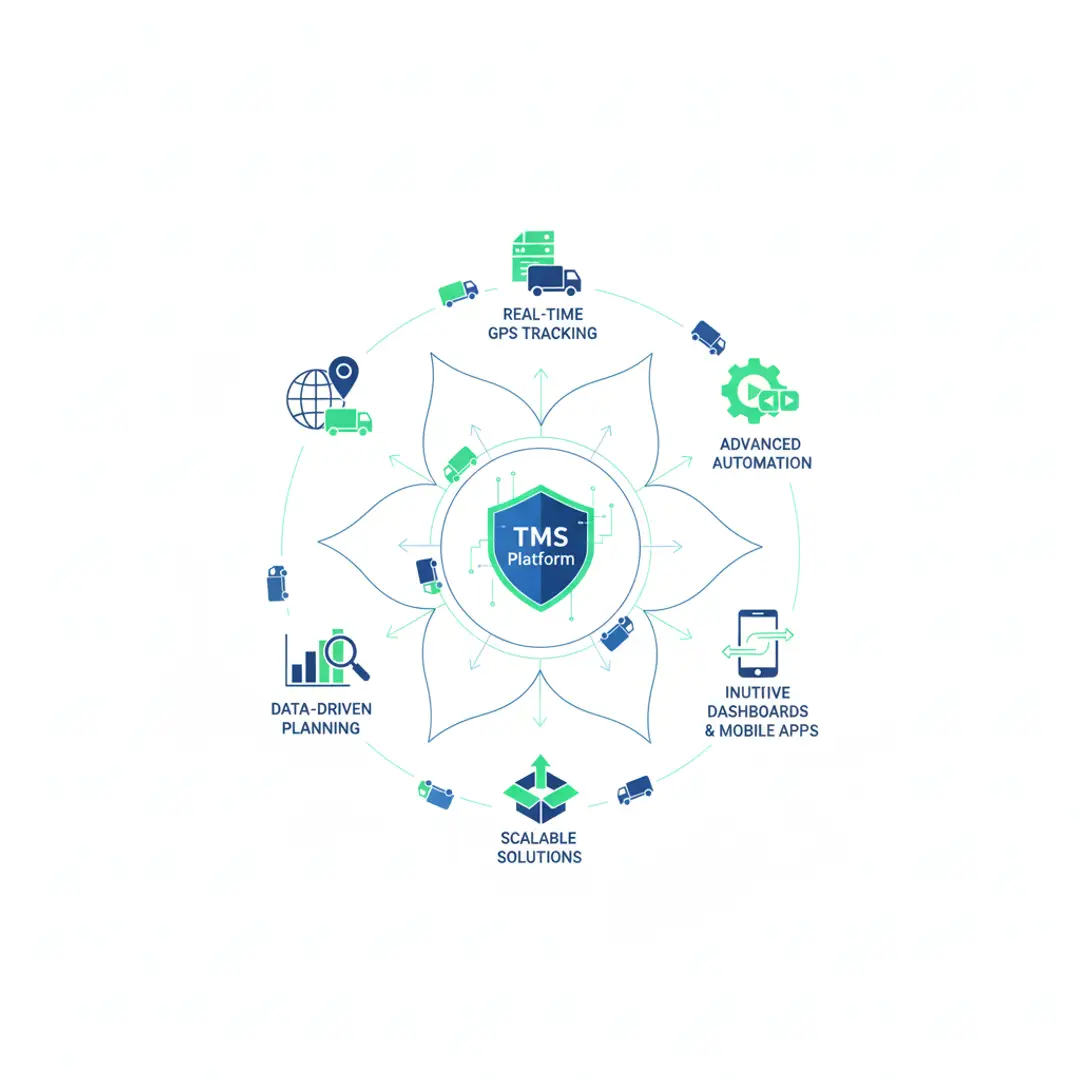
1. Real-Time GPS Tracking and Dispatch System Integration for Accurate Fleet Management
One of the most transformative features of modern carrier TMS software is seamless GPS tracking and dispatch system integration. This integration enhances fleet tracking and dispatching by providing accurate, real-time location data for every vehicle—allowing dispatchers to make informed decisions faster.
The Truck Tracking Software and dispatch system enable optimized route planning, reduced idle time, and improved communication between dispatch fleet managers and drivers. Real-time oversight improves delivery accuracy, enhances customer experience, and minimizes operational costs—critical for performance-driven carriers.
2. Advanced Automation in Dispatch Fleet Management Systems for Small and Large Carriers
Automation embedded within TMS software for carriers is revolutionizing how dispatchers work. By automating load assignments, driver matching, and schedule adjustments, dispatch fleet management systems reduce manual errors and save valuable time—especially for small carriers with limited resources.
The best TMS systems for shippers and carriers now offer customizable automation features, allowing dispatchers to adapt workflows based on priorities and capacity. Automation ensures consistency, minimizes delays, and helps fleets scale efficiently without sacrificing control.
3. Data-Driven Transportation Planning Software Boosts Fleet Dispatch Efficiency
Data analytics integrated into TMS fleet management systems is a true game-changer. Advanced transportation planning software modules analyze both historical and real-time data to optimize routing, balance workloads, and forecast maintenance needs.
This analytical approach leads to smarter, cost-effective decisions that reduce empty miles, improve driver utilization, and optimize fuel consumption. With Fuel Management and analytics as strategic assets, carriers gain actionable insights that enhance fleet dispatch efficiency, improve ROI, and ensure better visibility across all operations.
4. Intuitive Dashboards and Mobile Apps Enhance Dispatch Fleet Visibility Across Operations
Leading TMS software for small carriers and large fleets prioritizes usability with intuitive dashboards and Driver Mobile Apps built for both dispatchers and drivers. These tools offer real-time updates, instant alerts, and simplified communication—enabling quick responses to on-road challenges.
Modern fleet tracking and dispatching software supports mobile integration, ensuring total fleet visibility anytime, anywhere. This mobile-first design is crucial for remote teams and hybrid dispatch models, providing seamless fleet control on the go.
5. Scalable Carrier TMS Software Solutions Adapt to Growth from Small to Enterprise Fleets
In 2025, carrier TMS software solutions are built with scalability at their core. Whether you’re a small carrier expanding operations or an enterprise fleet optimizing nationwide dispatch, these systems adapt to evolving needs.
They include key tools such as Trucking Fleet Management Software, Driver Payroll Software, automated reporting, and compliance monitoring. This scalability ensures consistent performance as your fleet grows—making it easier to maintain efficiency without heavy IT overhead.
Also Read - Top 10 Features of Trucking Management System Software: TMS Features Explained
How to Choose the Best Carrier TMS Software for Your Fleet in 2025
Choosing the right carrier TMS software is a critical decision that determines how efficiently your fleet operates in today’s data-driven logistics world. The ideal TMS system for carriers should combine scalability, ease of use, and smooth integration with your existing dispatch and accounting systems.
The best TMS software for carriers includes essential features such as real-time GPS tracking and dispatch system integration for complete fleet visibility, automation tools to eliminate manual errors, and driver mobile apps that enable instant communication and live delivery updates. Advanced analytics dashboards turn raw data into actionable insights, helping dispatchers make faster, smarter decisions on the go.
For small and mid-sized fleets, focus on a TMS fleet management system that offers affordable pricing, easy onboarding, and reliable customer support. As your operations scale, ensure your TMS software supports multi-driver coordination, compliance tracking, and automated load management, so your business adapts seamlessly to higher volumes and changing market demands.
Also Read - Best Carrier TMS Software for Trucking in 2025: How to Choose the Right Solution
How Fast Forward TMS Is Revolutionizing Fleet Dispatch Efficiency for Modern Carriers in 2025
Fast Forward TMS is redefining how carriers manage dispatch operations in 2025. Built for growth-focused fleets, it combines ease of use, rapid implementation, and strong customer support to deliver measurable performance gains. Carriers using the platform report up to 30% faster dispatch times, 25% fewer empty miles, and higher driver satisfaction driven by transparent communication and real-time load offers.
Equipped with intelligent tools like Load Offer Negotiation and Driver Availability & Smart Geo-Location Matching, Fast Forward TMS ensures dispatchers assign the right load to the right driver instantly. Backed by 18+ years of industry expertise, 7+ years of product development, and trusted by 1,500+ companies, it offers a user-friendly interface, scalable features, and SOC 2 Type 2–compliant data security. With the first user free, carriers experience quick ROI and operational excellence through automation, analytics, and real-time visibility—all from one reliable platform.
Also Read - How Fast Forward TMS Stands Out as the Best Choice in Carrier TMS Software
Conclusion
As fleet operations become increasingly complex, leveraging the right carrier TMS software is essential for efficient, accurate, and cost-effective dispatch. By integrating real-time tracking, automation, and data-driven insights, carriers can reduce empty miles, improve driver communication, and optimize every delivery. Choosing the right system ensures smoother operations, better resource utilization, and a competitive edge in today’s fast-paced logistics environment.
(FAQs)
Q1: What features should a carrier look for in TMS software?
A carrier TMS software should include GPS tracking, Driver Mobile App, Load Offer Negotiation, Truck Load Management, and Fuel Management to streamline fleet operations efficiently.
Q2: How does GPS tracking improve fleet dispatch efficiency?
GPS tracking gives real-time vehicle visibility, enabling faster decisions, optimized routes, and lower fuel costs for smoother fleet dispatch.
Q3: Can small carriers benefit from TMS software?
Yes, TMS for small carriers automates dispatch tasks, improves operational visibility, and scales workflows without heavy IT investment.
Q4: What is the difference between TMS software for carriers and TMS software for shippers?
Carrier TMS manages fleet dispatch, driver communication, and load optimization, while TMS for shippers focuses on freight sourcing and shipment planning.
Q5: How does automation reduce dispatching errors?
Automation in dispatch software minimizes human errors by assigning loads accurately, ensuring timely deliveries and better resource allocation.
Related Posts
© 2026 Invastor. All Rights Reserved
User Comments