
Ai Content Generator
Ai Picture
Tell Your Story

 michelle quill
7 Ways Maritime Data Can Transform Your Supply Chain Strategy
Timely ocean information turns shipping plans into coordinated movement that protects cost, time, and promises. Maritime data clarifies routes, vessels, and ports, so purchasing, logistics, and finance act together with fewer surprises. Shared dashboards, clean definitions, and updates keep teams aligned while exceptions receive quick, focused attention. With disciplined use and simple routines, insights from the water transform complex journeys into predictable steps that strengthen service and margins. Reliable partners and clear playbooks make tough seasons manageable without frantic guesses or waste.
Real-Time Visibility
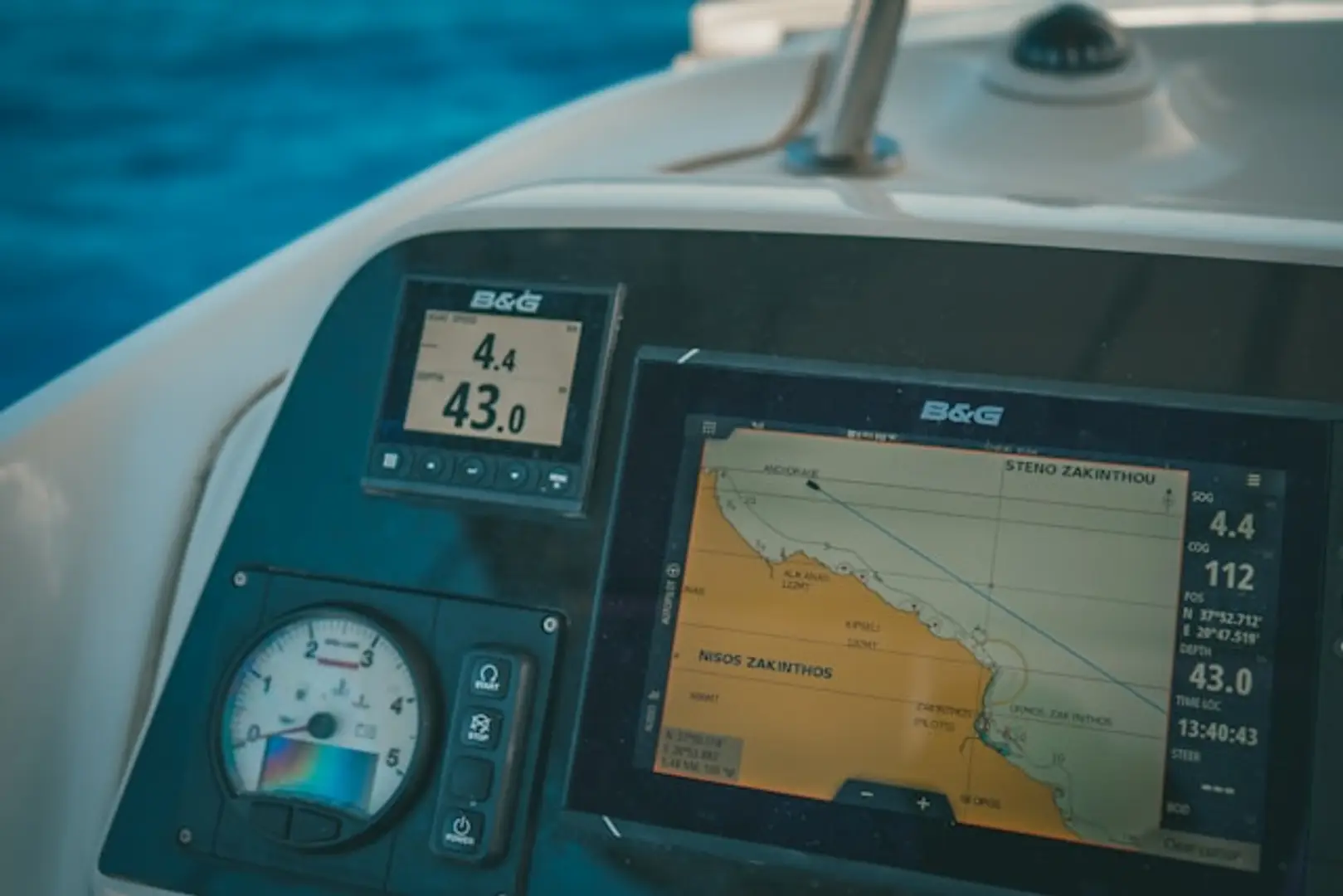
Live vessel positions, port queues, and weather windows show cargo status, keeping plans honest and preventing scrambling. Accurate timestamps align carriers, warehouses, and service teams, while alerts highlight early risks before costs rise. When location and speed combine with traffic lanes, teams adjust labor and slots. Reliable feeds turn complex signals into simple maps and timelines that anyone can scan at peak times. Standard labels reduce confusion between partners, and synchronized refresh rates stop conflicts, so schedules retain flexibility without chaos. With transparent status from port departure to gate-out, decisions shift from hunches to facts.
Smarter Inventory Planning
Port dwell times and lane reliability shape reorder points that reflect flow rather than old assumptions. Safety stock becomes right-sized because buffer days match observed transit, not hopes. Item rotation improves when arrivals align with shelf life, which protects quality and lowers write-offs. Exception flags identify items at risk from storms, strikes, or congestion, so orders shift to steadier routes while plans update. Local teams prepare staffing with realistic dates, and finance sets cash timing from lead times. With honest inputs, planners cut rush fees and avoid outages, turning variability into manageable change.
Better Supplier Performance
Milestone data records bookings, sailings, and gate moves, creating fair scorecards for partners. On-time percentages, terminal dwell, and transshipment accuracy reveal strengths and gaps without argument. Transparent views encourage direct conversations that fix root causes rather than shifting blame or adding paperwork. Contracts improve when service levels are tied to verifiable timestamps, because incentives and support hours reflect real effort. Joint reviews use the same numbers, so actions focus on training, routing, or documentation instead of debate. Reliable performance earns priority space and decisions, and weak spots fade as methods standardize across lanes.
Cost Control and Forecasting
Freight indexes, bunker trends, and surcharge histories let finance predict landed cost with fewer shocks. Scenario tests show how route shifts or slow steaming change spend, then highlight options that preserve margins. Currency and seasonality overlays keep budgets grounded in reality rather than averages that hide swings. Accurate forecasts reduce demurrage, detention, and overtime, because appointments fit capacity and documents arrive complete. Rate audits compare promises against execution, and alerts flag charges that drift from norms. With disciplined tracking, leaders move funding with confidence and avoid emergency fixes that drain profit.
Proactive Risk Management
Storm tracks, labor notices, and infrastructure outages turn vague worry into practical action with clear thresholds. Geo-fenced alerts warn near choke points, while alternate ports stand ready with time and cost estimates. Insurance clauses and contingency budgets reflect measured exposure rather than guesses. Playbooks trigger reroutes, split shipments, or booking freezes, keeping customer commitments credible during disruption. After-action reviews refresh rules, so the next event creates less noise and fewer losses, with roles and contacts listed. Because ownership stays clear, teams act fast without escalation tangles, and recovery follows predictable steps.
Smoother Port and Yard Operations
Berth forecasts and crane plans convert arrival noise into structured work that crews can follow clearly. Staging areas are clear, gate slots match peaks, and turn times fall because queues no longer surprise. Digital handoffs shorten chatter, while exception boards show causes and next steps. Yard layouts improve when heat maps show where containers linger, which reduces shuffles and damage. Repair teams receive precise orders tied to box location and cutoff, and drivers receive door assignments that cut waiting. The result is safer movement and capacity that grows without concrete or rushed hiring.
Market and Expansion Insight
Lane volumes, commodity mixes, and competitor footprints reveal where demand grows and where slack hides, shaping network bets. New origins or destinations receive grounded cases that blend traffic, seasonality, and service options instead of guesses. Pricing aligns with real capacity and dwell patterns, avoiding promises that break later. Partnership searches sharpen when target ports, depots, and feeders match goals confirmed by trusted maritime business intelligence. Marketing times offer to actual arrival waves, while sourcing identifies regions that deliver resilient throughput. With timely outside insight, expansions move faster, and retreats happen early, saving capital and protecting brand strength.
Conclusion
Maritime data turns complex movement into a shared truth that teams act on without delay or doubt. Visibility, planning, cost control, and risk tools reduce waste and protect promises while keeping staff calmer during peaks. Suppliers, carriers, and finance operate from the same numbers, so decisions line up and errors fade quickly. With steady inputs, clear playbooks, and respectful partnerships, supply chains grow resilient, reliable, and ready for whatever season brings next.
Related Posts
© 2025 Invastor. All Rights Reserved
User Comments