
Ai Content Generator
Ai Picture
Tell Your Story

 Adam K
Water Extraction vs Water Mitigation: What You Should Know
When water invades your home whether from a burst pipe, overflowing toilet, or flood the damage can spread faster than most people realize. Within minutes, water can soak into floors, carpets, and walls. Within hours, mold and bacteria begin to form. This is where professional water damage restoration in New Jersey becomes essential.
Two critical steps in this process are water extraction and water mitigation. While many homeowners use these terms interchangeably, they actually refer to different parts of the restoration process. Understanding the difference can help you make better decisions and act quickly when water damage strikes your property.
This detailed guide breaks down how water extraction and water mitigation work, why both are necessary, and what you can expect from a professional Water Damage Restoration Company in NJ.
Understanding Water Extraction
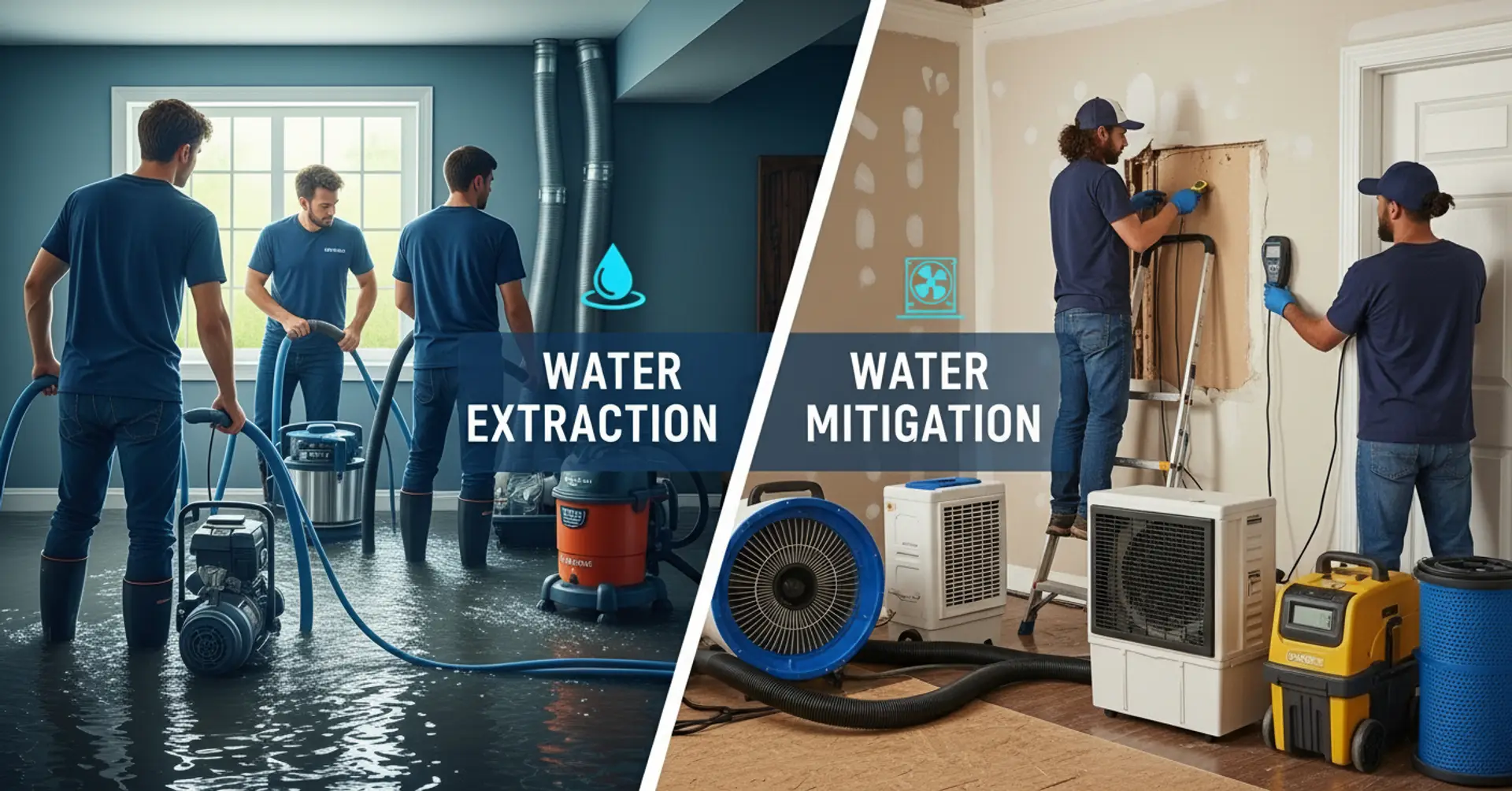
Water extraction is the first step in the restoration of water damage. It focuses on removing standing water from your property as quickly as possible. When a home or business experiences flooding, the longer water sits, the more extensive the damage becomes.
Professional water removal services use high-powered pumps, wet vacuums, and moisture detection tools to remove water from carpets, floors, and walls. The goal is to eliminate all visible water and reduce moisture levels to prevent structural weakening and mold growth.
This process is crucial not only for saving property but also for preventing long-term health hazards. Stagnant water becomes a breeding ground for bacteria, mold, and other harmful microorganisms that can contaminate indoor air and surfaces.
When water extraction is needed:
- Basement flooding from heavy rain
- Burst or leaking pipes
- Overflowing toilets or sinks
- Sewage backups
- Appliance leaks (dishwashers, washing machines, water heaters)
Even small leaks can cause major issues if not handled properly. Professional emergency water damage restoration services in New Jersey can begin extraction immediately—often within hours of your call—to stop the problem from spreading.
What Happens During Water Extraction?
Once a water damage restoration company arrives on-site, they start by assessing the situation. Using advanced equipment like thermal imaging cameras and moisture meters, they locate all affected areas, including hidden moisture behind walls or under flooring.
Then, powerful truck-mounted extraction units and submersible pumps are used to remove standing water. In severe flooding, multiple machines may run simultaneously to speed up the process.
After the majority of the water is removed, technicians begin drying and dehumidifying using industrial-grade air movers and dehumidifiers. This step ensures that even trapped moisture is completely eliminated, preventing mold formation and wood rot.
The final step includes cleaning and sanitizing surfaces, carpets, and upholstery affected by the water. Professionals use antimicrobial treatments to kill germs and deodorize to remove musty odors.
Understanding Water Mitigation
While water extraction focuses on removing water, water mitigation is about preventing further damage after the water is gone. Think of it as the protective phase of water damage and restoration.
Water mitigation involves cleaning, drying, and securing the property to reduce future risks. It includes measures to stabilize the environment, repair what’s damaged, and prevent additional moisture intrusion.
Professional water mitigation companies in NJ take steps such as:
- Removing damaged drywall, insulation, and flooring
- Installing drying equipment
- Applying disinfectants and anti-microbial treatments
- Board-up or tarp services if the roof or windows are damaged
- Moisture testing and monitoring over several days
This stage plays a huge role in ensuring that your property doesn’t suffer ongoing structural or health issues. Without proper mitigation, even after extraction, lingering moisture can cause mold to grow within 48 hours—leading to costly water damage and mold remediation later.
The Key Difference Between Water Extraction and Water Mitigation
The easiest way to understand the difference is by their purpose:
Water extraction is the emergency step removing water from your home as quickly as possible.
Water mitigation is the prevention phase stopping additional damage and ensuring the property is safe for restoration.
In short, extraction deals with what’s already happened, while mitigation ensures it doesn’t get worse. Both steps are vital for full recovery and are usually handled by the same water damage restoration service.
Skipping either process can lead to hidden moisture, structural decay, and health hazards. That’s why professional water restoration services in NJ always perform both stages systematically.
How Long Does Each Process Take?
The timeline depends on the severity of the water damage and the affected area size.
Water extraction can take anywhere from a few hours to a day.
Water mitigation may take several days to a week, depending on how long drying and repairs are needed.
For instance, a small pipe leak might be resolved in 2–3 days, while flood damage from a storm may take over a week to completely mitigate and dry out.
Why Both Steps Are Essential in Water Damage Restoration
Ignoring either extraction or mitigation can create long-term problems for your property. Here’s why both are essential:
Preventing Mold Growth
Mold thrives in damp environments, often appearing within 24–48 hours after water exposure. Proper water extraction and mitigation stop this growth before it starts.
Protecting Structural Integrity
Water weakens materials like drywall, wood, and insulation. Extraction removes the moisture while mitigation stabilizes and repairs the structure to prevent collapse or decay.
Reducing Health Risks
Contaminated water especially from sewage or flooding carries bacteria and pathogens. Both processes include thorough disinfection to ensure safe living conditions.
Saving Time and Money
Handling both stages professionally minimizes long-term repair costs and shortens restoration time. DIY methods often leave moisture behind, leading to secondary damage.
The Role of Water Remediation in the Process
You may also hear the term water remediation used in water damage services. This term encompasses both extraction and mitigation, as well as cleanup, sanitization, and full restoration.
Water remediation is the complete process of restoring your property to its pre-damage condition. It includes removing contaminated materials, deep cleaning, repairing structural elements, and even odor removal.
A professional water remediation company in NJ ensures that every phase—from initial extraction to final restoration—is performed with precision and safety standards in mind.
When to Call a Water Damage Restoration Company
You should call a water damage restoration near me company immediately if you experience:
- Flooding from heavy rain or storms
- Overflow from appliances or toilets
- Burst or frozen pipes
- Sewage backup
- Persistent water stains or musty odors
Delaying action allows moisture to seep deeper into walls and floors, causing irreversible damage. 24/7 water damage restoration services are available throughout New Jersey to handle emergencies day or night.
The Tools and Techniques Professionals Use
Water extraction and mitigation require specialized tools that go far beyond what standard household equipment can do. Some commonly used tools include:
Truck-mounted extractors: For removing large volumes of water quickly.
Dehumidifiers and air movers: To dry out hidden moisture.
Infrared cameras: For detecting moisture inside walls and ceilings.
HEPA air scrubbers: To clean the air and remove mold spores.
Moisture meters: To track humidity levels during drying.
By using professional-grade tools, NJ water damage restoration companies ensure every part of your home—from floors to insulation is thoroughly dried and restored.
The Dangers of DIY Water Damage Cleanup
It might seem tempting to handle minor flooding or leaks on your own, but water damage is rarely surface-deep. Without the right tools, it’s impossible to remove all moisture.
Hidden water can remain under floors, behind drywall, and inside insulation, eventually leading to mold and rot. Additionally, if the water is contaminated (gray or black water), DIY cleanup can expose you to serious health risks.
Professional water mitigation companies in New Jersey follow strict safety protocols, use protective gear, and ensure proper disinfection something that can’t be achieved with home cleaning supplies alone.
How Water Extraction and Mitigation Work Together
The most effective water damage restoration in NJ happens when extraction and mitigation are performed as part of a continuous process.
Here’s how they complement each other:
- Extraction removes the immediate threat standing water.
- Mitigation addresses secondary threats moisture, bacteria, and structural damage.
- Together, they create a safe, dry environment ready for full restoration and repair.
- Skipping either phase can delay recovery and make future water damage repair more expensive.
The Importance of Hiring a Local NJ Water Damage Restoration Company
When you need fast and reliable service, hiring local experts for water damage restoration in New Jersey offers several advantages. Local teams understand the region’s common water issues like coastal flooding, basement seepage, and heavy rainstorms and can respond quickly to emergencies.
Local restoration companies also know state regulations, insurance processes, and local building codes, making your restoration smoother and faster.
How to Choose the Right Water Mitigation Company
When selecting a water mitigation company, look for these key factors:
- Certified technicians (IICRC certification preferred)
- 24/7 emergency response
- Modern drying and extraction equipment
- Experience with insurance claims
- Transparent estimates and communication
Working with experienced professionals ensures that every stage from water extraction to remediation is done efficiently and safely.
Rebuilding Comfort and Safety with NSH Home Services
Water damage can be stressful and disruptive, but knowing the difference between water extraction and water mitigation helps you understand the restoration process better. Both play essential roles in bringing your home back to normal after a leak or flood.
If your home in New Jersey has suffered from water damage, trust NSH Home Services for complete water restoration services. Their expert team specializes in water extraction, water mitigation, and mold remediation, ensuring every trace of moisture is removed and your property is restored safely.
Whether it’s a burst pipe or storm flooding, NSH Home Services provides reliable 24/7 water damage restoration with fast response, modern tools, and unmatched care. Because your home deserves more than cleanup it deserves full restoration and peace of mind.
Related Posts
© 2025 Invastor. All Rights Reserved
User Comments