
Ai Content Generator
Ai Picture
Tell Your Story

 Post Sphere
Best Modern Samurai Swords UK: A Buyer's Guide
The katana is a weapon that represents a historical narrative combining fire and steel with centuries of traditional practice. For many, the allure of the samurai and their legendary blades is undeniable. This interest has led to a thriving market for modern reproduction katana swords, allowing enthusiasts in the UK to own a piece of this rich heritage. However, navigating the world of reproduction blades can be complex, especially with UK laws to consider.
This guide will walk you through the essential factors for choosing a high-quality reproduction samurai sword in the UK. We’ll explore the historical context, what to look for in a blade, review some of the best models available, and discuss how to care for your sword. By the end, you’ll have the knowledge to make an informed purchase and become a responsible owner of these remarkable pieces of artistry.
The Legacy of the Samurai and Their Blades
To truly appreciate a modern katana, it’s helpful to understand its historical roots. The samurai were a military nobility and officer caste in medieval and early-modern Japan. Their primary weapon, the katana, was more than just a tool for combat; it was a symbol of their honor, status, and soul.
A handmade katana requires weeks or even months to complete. The process traditionally begins by selecting high-quality steel (tamahagane), which is then folded multiple times to purify the metal and create the distinct layered patterns seen on the blade. This is followed by a differential heat treatment that creates the visible temper line, known as the hamon, which is a hallmark of an authentic Japanese sword.
It’s also important to distinguish between the katana and the daisho. The daisho, meaning “big-little,” refers to the traditional pairing of swords worn by the samurai class. This set included the long sword, or katana, and a shorter companion sword, the wakizashi. While the katana was the primary combat weapon, the daisho as a pair was a powerful status symbol.
What to Consider When Buying a Katana in the UK
When searching for katana for sale, several key factors will determine the quality, authenticity, and legality of your purchase.
Steel Quality
The type of steel used is the most critical factor in a sword’s performance and durability.
1045 Carbon Steel: This is a common entry-level steel. It’s relatively soft, making it easy to sharpen but also prone to bending or dulling. It’s suitable for decorative pieces or light cutting.
1060 Carbon Steel: A step up, 1060 steel offers a good balance of hardness and flexibility. It can withstand more rigorous use, making it a solid choice for martial arts practitioners.
1095 Carbon Steel: This high-carbon steel is known for its ability to hold a very sharp edge. When properly heat-treated and clay-tempered, it can produce a beautiful, prominent hamon. However, it is more brittle than lower-carbon steels.
Folded Steel (Damascus): This involves folding the steel multiple times during the forging process, mimicking traditional Japanese methods. While it creates a beautiful grain pattern (hada), the quality depends more on the base steel and the skill of the smith than the folding itself.
Craftsmanship and Authenticity
A well-crafted reproduction honors the artistry of traditional swordsmithing.
- Full Tang (Nakago): The tang is the part of the blade that extends into the handle (tsuka). A full-tang construction is essential for a functional sword, as it ensures the blade is securely anchored.
- Hamon (Temper Line): A genuine hamon is created by clay-tempering the blade during heat treatment. Cheaper swords often have an acid-etched, purely cosmetic hamon. A real hamon is a sign of superior craftsmanship.
- Fittings (Koshirae): Pay attention to the quality of the guard (tsuba), handle wrap (tsuka-ito), and other fittings. These should be tight, well-fitted, and made from quality materials.
UK Legal Compliance
Sword ownership in the UK is governed by specific laws. Since 2008, it has been illegal to sell, import, or hire a curved sword with a blade over 50cm unless it falls into one of these categories:
- Hand-forged: The sword was made by hand in a traditional manner. This is the exemption under which most high-quality reproduction
- katanas are sold.
- Antique: The sword was made before 1954 or at any time in Japan.
For Specific Use: The owner is part of a martial arts club or is a historical reenactor.
Reputable UK sellers will ensure their samurai swords meet the “hand-forged” requirement and will often state this clearly in the product description. Always buy from trusted vendors to ensure you are legally compliant.
Top Modern Reproduction Samurai Blades in the UK
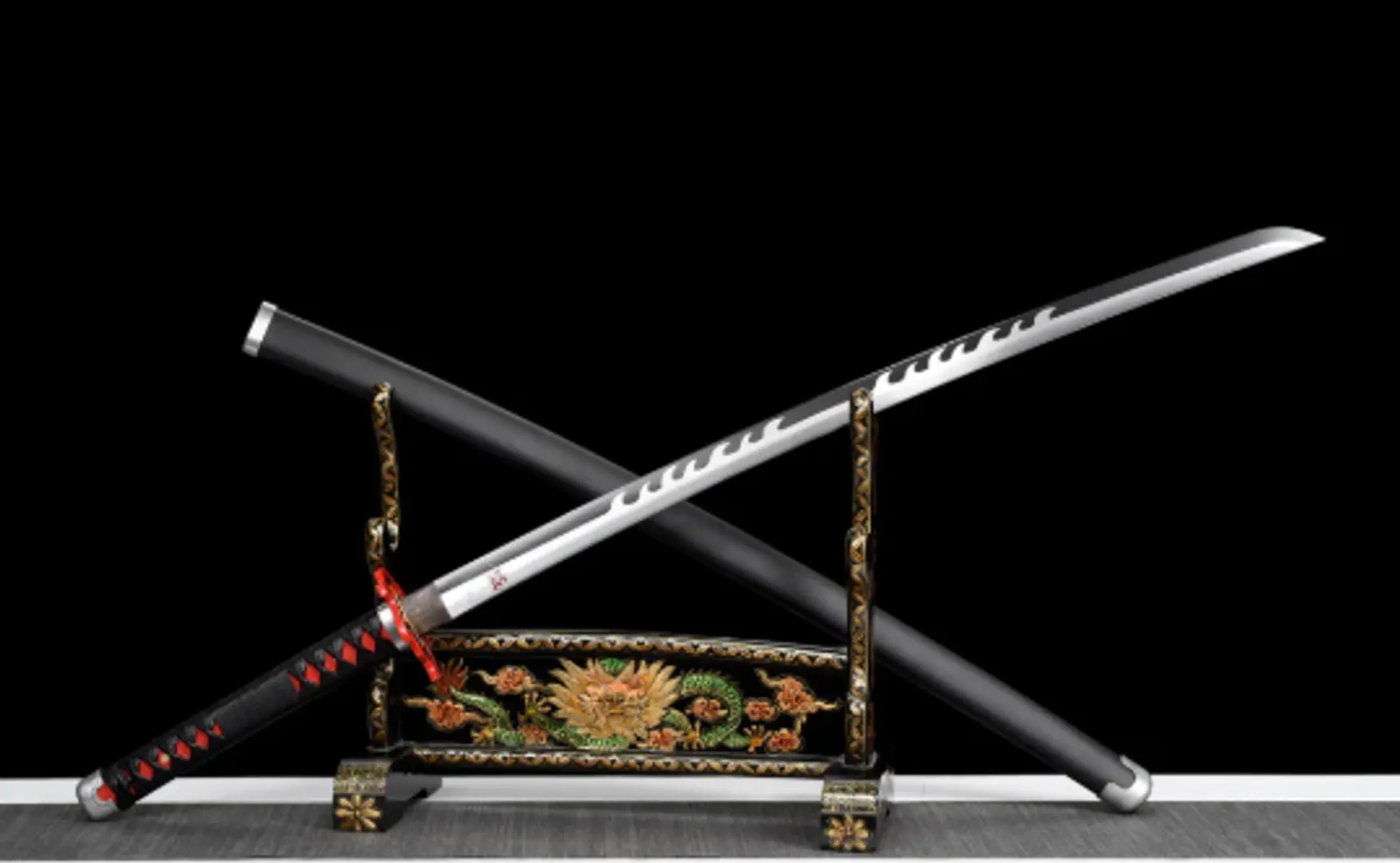
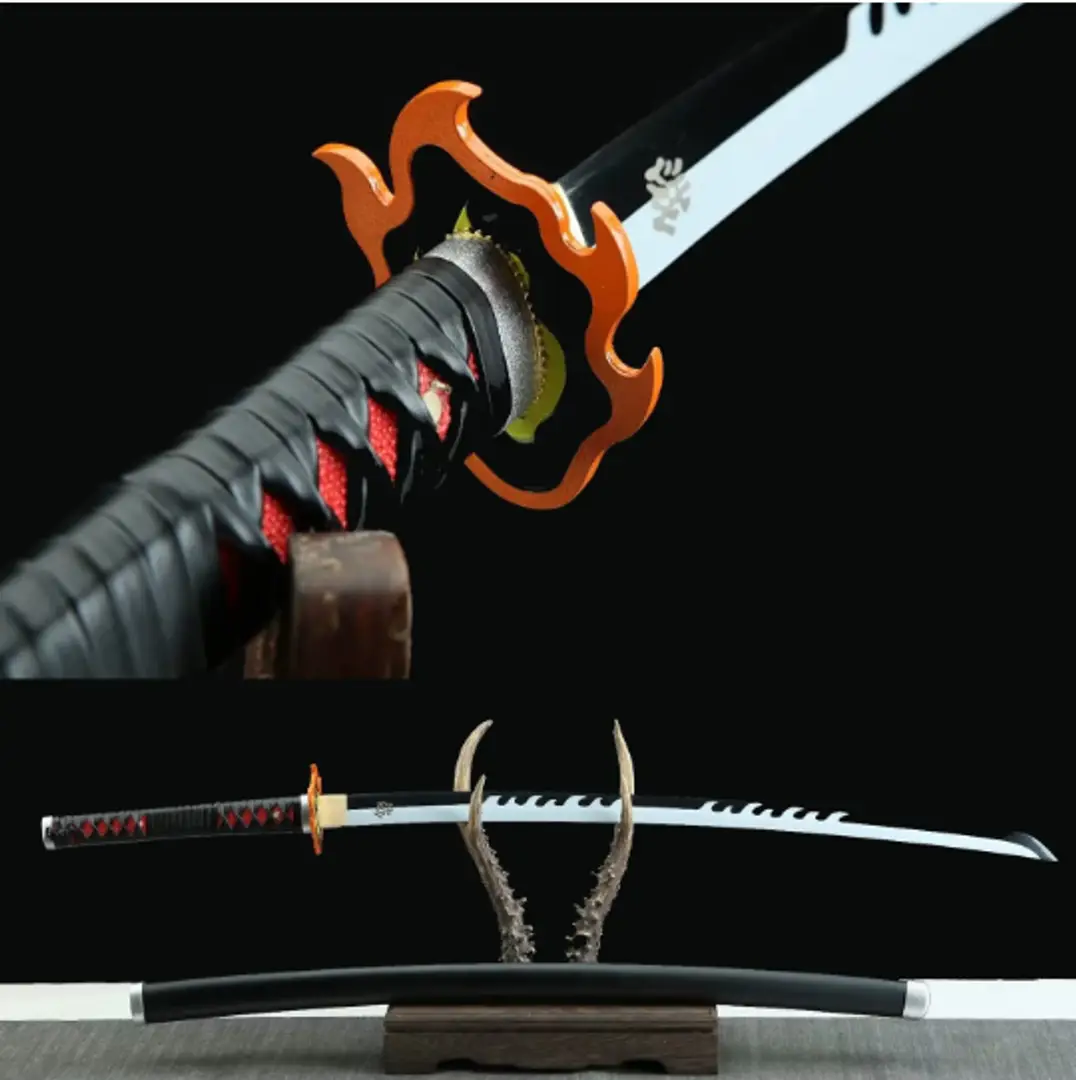
Here are a few examples of high-quality katana swords available from reputable UK retailers.
- Thaitsuki Kesshi Katana: Often regarded as a premium choice, Thaitsuki Nihonto swords are known for their exceptional craftsmanship. The Kesshi model typically features high-carbon 1095 steel, genuine clay tempering, and high-quality fittings. It’s a fantastic option for serious collectors and practitioners.
- Paul Chen / Hanwei Practical Plus Katana: Hanwei has a long-standing reputation for producing reliable, functional swords. The Practical Plus is a workhorse, designed for martial artists. It features a high-carbon forged blade and is built for durability, making it an excellent choice for tameshigiri (test cutting).
- Dragon King Autumn Katana: Dragon King is a brand that offers a good balance of artistry and function. Their swords often feature 1060 or 1095 steel blades with beautiful, themed koshirae. The Autumn Katana is a great example, blending performance with aesthetic appeal.
These models and brands can typically be found at specialized UK retailers like The Knight Shop, Southern Swords, and Blades UK. Always check their product specifications to confirm the steel type and forging method.
Caring for Your Samurai Sword
Proper maintenance is crucial for preserving the beauty and integrity of your katana.
- Cleaning: After each use (even just handling), wipe the blade clean with a soft, dry cloth. Then, use a sword cleaning kit, which typically includes rice paper (nuguigami), a powder ball (uchiko) for fine polishing, and sword oil (choji oil). Apply a light coat of oil to prevent rust.
- Inspection: Regularly check the handle wrap and fittings to ensure they are tight. A loose handle can be extremely dangerous.
- Storage: Store your sword horizontally, with the cutting edge facing up, on a sword stand (kake). This prevents the blade from pressing against the inside of the scabbard (saya), which could dull the edge over time. Keep it in a dry environment to avoid rust.
Your Journey into a Piece of Living History
Owning a reproduction samurai sword is an opportunity to connect with a rich cultural and martial heritage. By understanding the historical context, key quality factors, and legal requirements in the UK, you can confidently select a blade that is both a beautiful work of art and a functional tool.
Whether you are a martial artist, a history enthusiast, or a collector, a well-chosen katana is an embodiment of tradition and mastery. Take the time to research, choose wisely, and care for your sword responsibly. Explore the offerings from reputable UK dealers and begin your own journey with this symbol of cultural heritage.
Frequently Asked Questions
Can I legally own a samurai sword in the UK?
Yes, you can legally own a samurai sword in the UK if you are over 18. However, to purchase a new one, it must be traditionally hand-forged, an antique made before 1954, or for use in a registered martial arts club.
What is the best steel for a katana?
For a functional, durable katana, 1060 or 1095 carbon steel is an excellent choice. 1095 steel, when clay-tempered, holds a sharper edge and displays a more beautiful hamon, but 1060 offers greater durability for heavy use.
How can I tell if a hamon is real or fake?
A real hamon has subtle variations and a crystalline appearance (look for nioi and nie). It will not be a perfectly uniform, frosted line. An acid-etched hamon often looks like a simple stencil applied to the blade and lacks depth.
Where can I buy a good katana for sale in the UK?
Look for specialized, reputable retailers like The Knight Shop, Southern Swords, or Blades UK. These vendors are knowledgeable about swords UK laws and typically source quality, hand-forged blades.
Related Posts
© 2026 Invastor. All Rights Reserved
User Comments