
Ai Content Generator
Ai Picture
Tell Your Story

 Sam Arther
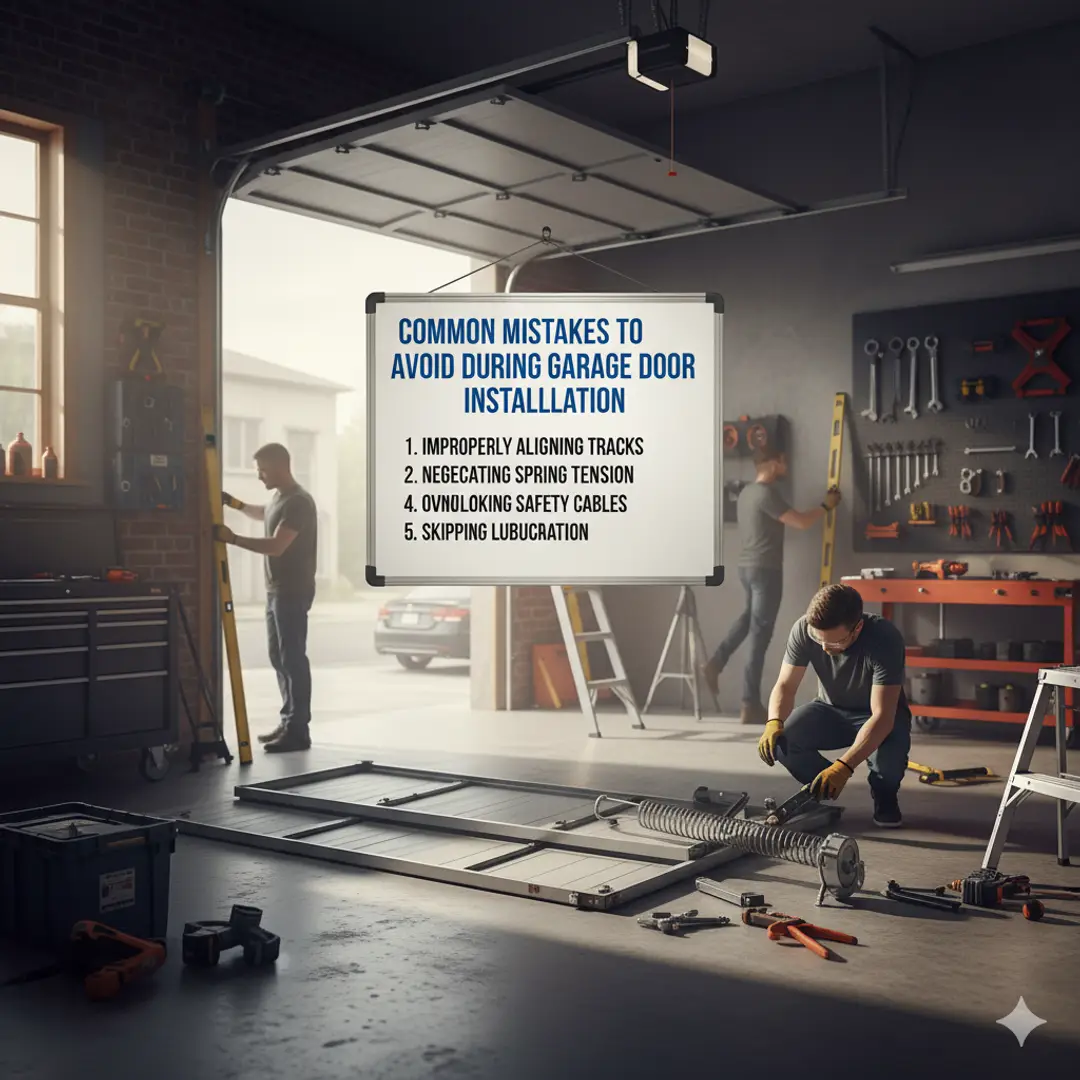
Common Mistakes to Avoid During Garage Door Installation
When it comes to upgrading your home, few projects are as satisfying as installing a new garage door. It improves safety, boosts curb appeal, and adds value to your property. But garage door installation isn’t as simple as it looks. Even the smallest mistake can lead to noisy operation, poor alignment, or costly repairs down the road. Many homeowners attempt a DIY installation to save money but end up spending more on fixes later. That’s why experts like Legacy Garage Repairs often recommend leaving this task to professionals or at least understanding what to avoid if you decide to handle it yourself.
Let’s take a closer look at some of the most common mistakes people make during garage door installation and how you can steer clear of them.
Skipping the Measurement Check
One of the biggest errors homeowners make is rushing through measurements. A garage door that doesn’t fit perfectly can cause serious problems later. Every garage has unique dimensions, even if two look identical from the outside. Walls shift slightly over time, concrete settles, and old framing can warp.
Before you buy a new door, measure:
The opening width and height
The side and headroom clearance
The backroom space (distance from the opening to the back wall)
Even being off by half an inch can affect how smoothly the door operates. Double-check your measurements before placing an order. Taking the time to measure twice can save hours of frustration later.
Ignoring the Weight and Balance
Garage doors are heavier than they appear. The springs, cables, and tracks must all work together to handle that weight safely. Installing the wrong type of springs or failing to balance the door properly can make it hard to lift and may even cause injuries. A poorly balanced door puts unnecessary strain on the opener, leading to early motor failure.
To check balance, lift the door halfway after disconnecting the opener. If it stays in place, the balance is right. If it falls or rises, adjustments are needed. Many homeowners skip this step, only to face jerky movement or loud noises during use.
Using the Wrong Tools
Installing a garage door requires more than a basic toolbox. Specialized tools like winding bars for torsion springs, level gauges, and torque wrenches are often necessary. Trying to substitute with makeshift tools increases the risk of mistakes and accidents.
For instance, using a screwdriver instead of a winding bar can lead to serious injury if the spring tension is released suddenly. Always ensure you have the right tools before starting the job, or consider renting them if you don’t plan on frequent use.
Poor Alignment of Tracks and Hinges
Proper alignment ensures smooth door movement. If the tracks are even slightly tilted or the hinges aren’t aligned, the door can scrape, jam, or wear unevenly. Misaligned tracks can also put pressure on rollers, leading to premature wear.
After installation, open and close the door slowly to see if it moves freely. Listen for grinding or scraping sounds—these are early warnings of alignment issues. Adjust the tracks so the door glides effortlessly.
Overlooking the Weather Seals
A well-fitted weather seal keeps your garage clean and energy-efficient. Many people skip this step or reuse old seals that no longer fit properly. Without proper sealing, rain, dirt, and pests can easily enter your garage. In colder climates, poor seals can increase heating costs by allowing drafts.
Always inspect and replace worn-out bottom seals, threshold seals, and side weatherstripping. These small additions make a big difference in comfort and protection.
Forgetting Safety Features
Modern garage doors come with safety features like photo-eye sensors and auto-reverse mechanisms. Some homeowners fail to connect or test these features properly during installation. This can pose serious safety risks, especially for children and pets.
After installation, test the auto-reverse feature by placing an object in the door’s path. The door should stop and reverse immediately. Also, make sure the sensors are aligned and clean. Skipping this step could result in avoidable accidents.
Not Tightening or Over-Tightening Bolts
Every nut and bolt plays a role in the stability of your garage door system. Some people make the mistake of leaving bolts too loose, leading to rattling noises and unstable movement. Others tighten them too much, causing metal fatigue or distortion.
Use moderate pressure and follow manufacturer guidelines. It’s also wise to check these fasteners after a few weeks of use, as vibration can loosen them slightly.
Installing the Opener Incorrectly
A garage door opener must align perfectly with the center of the door. Installing it too high, low, or at an angle can strain both the opener and the door. The mounting bracket should be sturdy and level, and the chain or belt should have just enough tension—not too loose or too tight.
If you’re not confident in setting up the opener, this step is best left to an experienced technician. An improperly installed opener is one of the most common reasons homeowners call for repairs later.
Neglecting Maintenance After Installation
Installation doesn’t end once the door is up and working. Regular maintenance is essential to keep it running smoothly. Many homeowners forget to lubricate moving parts or inspect the system for wear.
Schedule periodic checks to:
Lubricate rollers, hinges, and springs
Inspect cables for fraying
Check opener settings
Clean tracks of dust and debris
Regular care extends the life of your door and prevents unexpected breakdowns.
Skipping Professional Help
While DIY projects can be satisfying, garage door installation is one task where professional help is often worth the cost. Certified technicians have the experience to handle heavy doors safely, set correct spring tension, and fine-tune the system for years of trouble-free use.
If you encounter problems like uneven movement, loud noises, or sensor malfunctions, reach out for professional garage door repair services. Trying to fix these issues without proper knowledge can lead to injury or further damage.
Final Thoughts
Garage door installation may look straightforward, but precision and patience make all the difference. From measuring accurately to ensuring proper balance and safety features, each step matters. Avoiding these common mistakes can save time, money, and frustration. Whether you decide to handle the project yourself or hire experts, knowing what to watch out for keeps your garage door safe and reliable for years.
A well-installed garage door not only enhances your home’s appearance but also improves daily convenience. Take your time, follow instructions carefully, and when in doubt, seek expert guidance to ensure your door operates smoothly and safely.
Frequently Asked Questions
- How long does garage door installation take?
- A professional installation typically takes about four to six hours, depending on the door type and condition of the frame. DIY installations may take longer, especially for first-timers.
- Can I reuse my old garage door opener with a new door?
- In many cases, yes—but it depends on the model and compatibility. Always check the manufacturer’s recommendations before pairing old hardware with a new system.
- What’s the best way to maintain my garage door after installation?
- Inspect it monthly for loose bolts, clean the tracks, and lubricate moving parts. A yearly professional inspection helps detect small issues before they become expensive repairs.
- Should I install an insulated garage door?
- If your garage is attached to your home or used frequently, insulation can help regulate temperature and reduce noise. It’s a smart investment for comfort and energy efficiency.
- Why is my new garage door making noise?
- Noisy operation often indicates loose hardware, lack of lubrication, or slight misalignment. Address these issues early to prevent long-term wear and tear.
- Installing a garage door is a rewarding upgrade, but attention to detail is key. Avoiding these mistakes will keep your door operating quietly, safely, and efficiently for years to come.
Explore more>>
Related Posts
© 2025 Invastor. All Rights Reserved
User Comments