
Ai Content Generator
Ai Picture
Tell Your Story

 Fabriclore Pvt Ltd
What Is Linen Fabric? A Complete Beginner’s Guide
Linen fabric stands as one of humanity’s oldest textiles, yet many people remain unsure about its properties and benefits. This natural fiber has clothed civilizations for thousands of years and continues to be a preferred choice for fashion designers and home decorators worldwide.
Understanding linen fabric helps you make informed decisions when purchasing clothing, bedding, or home textiles. This guide covers everything you need to know about linen—from its ancient origins to modern care techniques.
Whether you’re shopping for summer clothing or updating your home decor, linen fabric offers unique advantages that synthetic materials simply cannot match.
The Rich History and Origins of Linen Fabric
Linen fabric originates from the flax plant (Linum usitatissimum), which humans have cultivated for over 10,000 years. Ancient Egyptians mastered linen production and used it to wrap mummies, believing the fabric possessed protective properties.
The production process begins with harvesting flax when the plant reaches maturity. Workers then ret the flax through a controlled decomposition process that separates fibers from the woody stem. After retting, the flax undergoes scutching and hackling to remove remaining plant material and align the fibers.
European countries, particularly Belgium, Ireland, and France, became renowned for producing high-quality linen fabric during the medieval period. These regions possessed the ideal climate conditions—cool temperatures and consistent rainfall—that flax plants require to thrive.
Key Characteristics of Linen Fabric
Linen fabric exhibits several distinctive characteristics that set it apart from other natural fibers. The fabric’s structure consists of long, strong flax fibers that create a naturally textured surface with subtle irregularities.
Fiber Properties
Flax fibers measure 12-20 inches in length, making them significantly longer than cotton fibers. This length contributes to linen’s exceptional strength and durability. The fibers contain natural pectin and lignin, which give linen fabric its characteristic stiffness when new.
Weave Structure
Most linen fabric uses a plain weave construction, where weft threads pass alternately over and under warp threads. This simple weave pattern maximizes the fabric’s strength while allowing air circulation through the textile.
Texture and Appearance
Linen fabric displays a naturally irregular texture due to variations in fiber thickness. This characteristic gives linen its distinctive casual appearance and prevents the fabric from looking overly refined or formal.
Benefits of Choosing Linen Fabric
Linen fabric offers numerous practical benefits that make it an excellent choice for clothing and home textiles. These advantages stem from the natural properties of flax fibers and the fabric’s construction.
Superior Durability
Linen fabric ranks among the strongest natural textiles available. Flax fibers become stronger when wet, which means linen garments and linens actually improve with washing. Quality linen items can last for decades with proper care.
Exceptional Breathability
The loose weave structure of linen fabric allows excellent air circulation, making it ideal for warm weather clothing and bedding. Linen naturally wicks moisture away from the skin, helping regulate body temperature during hot conditions.
Environmental Sustainability
Flax plants require minimal water compared to cotton and grow in poor soil conditions that cannot support food crops. The entire flax plant serves useful purposes—seeds produce linseed oil, while shorter fibers create paper and building materials. This efficiency makes linen fabric an environmentally responsible choice.
Natural Antibacterial Properties
Linen fabric possesses natural antibacterial and antifungal properties that help prevent odor buildup. These characteristics make linen particularly suitable for bedding, towels, and undergarments.
Different Types of Linen Fabric
The linen fabric category includes several distinct varieties, each suited for specific applications and preferences.
Damask Linen
Damask linen features intricate woven patterns created during the weaving process. This decorative linen works well for formal table linens, curtains, and upholstery applications. The patterns add visual interest while maintaining linen’s practical benefits.
Plain-Woven Linen
Plain-woven linen uses the basic over-under weave pattern and represents the most common linen fabric type. This versatile variety works equally well for clothing, bedding, and general household textiles.
Loosely-Woven Linen
Loosely-woven linen fabric features a more open weave structure that increases breathability and creates a softer texture. This type works particularly well for summer clothing and lightweight curtains.
Linen Blends
Many manufacturers combine linen with cotton, rayon, or synthetic fibers to modify the fabric’s characteristics. These blends may reduce wrinkling, lower costs, or improve drape properties while retaining some of linen’s natural benefits.
How to Care for Linen Fabric
Proper care extends the life of linen fabric items and maintains their appearance over time. Linen’s natural properties actually make it relatively easy to maintain with the right techniques.
Washing Guidelines
Machine wash linen fabric in cool to warm water using a gentle cycle. Hot water can cause shrinkage and may weaken the fibers over time. Use mild detergent and avoid bleach, which can damage natural fibers and cause yellowing.
Drying Methods
Air drying produces the best results for linen fabric. Hang items while slightly damp to minimize wrinkles, or lay flat for delicate pieces. Machine drying on low heat works for sturdy linen items, but remove them while slightly damp to prevent over-drying.
Ironing Techniques
Iron linen fabric while damp using a medium to high heat setting. The natural moisture helps remove wrinkles more effectively than ironing completely dry fabric. For stubborn wrinkles, use a spray bottle to add moisture before ironing.
Storage Tips
Store clean linen items in a cool, dry place with good air circulation. Avoid plastic bags, which can trap moisture and lead to mildew. Cedar blocks or lavender sachets help deter insects while adding pleasant fragrance.
Linen Fabric in Fashion and Home Applications
Linen fabric serves diverse purposes across fashion and interior design industries. Its versatility and natural beauty make it suitable for numerous applications.
Fashion Applications
Linen fabric creates comfortable summer clothing including dresses, shirts, pants, and suits. The fabric’s breathability and moisture-wicking properties make it ideal for warm-weather garments. Many luxury fashion brands feature linen pieces in their collections due to the fabric’s
sophisticated appearance.
Home Decor Uses
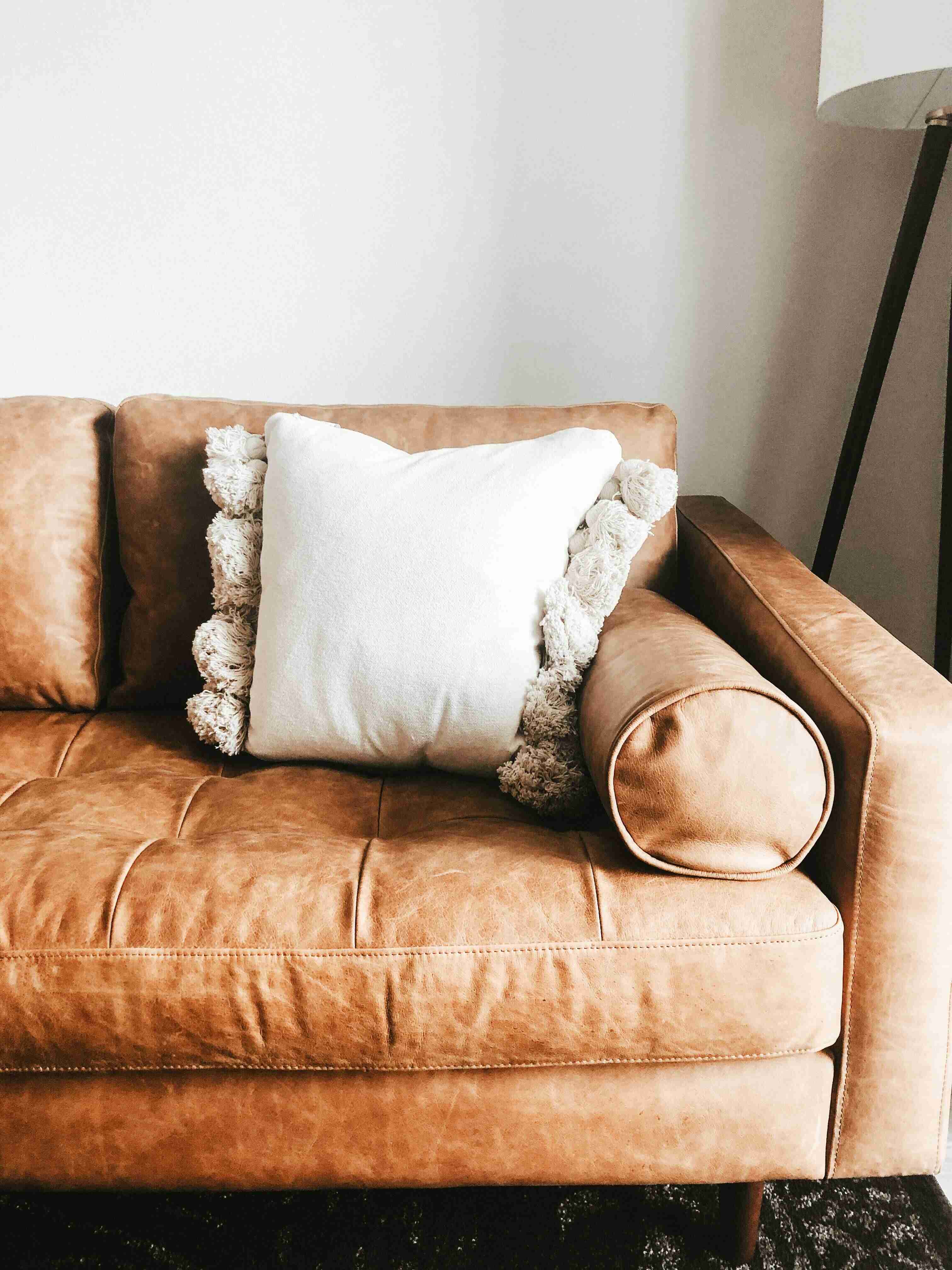
Interior designers frequently specify linen fabric for curtains, upholstery, and decorative pillows. The fabric’s natural texture adds visual interest while its durability ensures long-lasting performance. Linen’s neutral tones complement various decorating styles from modern to rustic.
Bedding and Bath Textiles
Linen sheets, pillowcases, and towels provide exceptional comfort and performance. The fabric’s temperature-regulating properties create ideal sleeping conditions, while its absorbency makes it excellent for bath linens.
Why Linen Fabric Remains a Smart Investment
Linen fabric continues to prove its worth in modern textiles due to its unique combination of practical benefits and aesthetic appeal. The fabric’s durability means linen items often outlast synthetic alternatives, providing better long-term value despite higher initial costs.
Environmental consciousness drives increasing demand for linen fabric as consumers seek sustainable textile options. The minimal processing required to create linen fabric and flax farming’s low environmental impact align with contemporary values.
Quality linen fabric improves with age, developing a softer hand and more comfortable feel over time. This characteristic sets linen apart from synthetic fabrics that typically deteriorate with use and washing.
Ready to experience linen fabric’s benefits for yourself? Explore our linen fabric collection to find premium materials perfect for your next project, whether you’re creating custom garments or updating your home textiles.
Related Posts
© 2025 Invastor. All Rights Reserved
User Comments