
Ai Content Generator
Ai Picture
Tell Your Story

 Daniel Clark
A Complete Guide to Experiencing Vietnam for Independent
Planning a trip to Vietnam can feel exciting and slightly overwhelming. The country has so much packed into its long, narrow stretch of land that narrowing down what to do and how to do it can be tricky. Many people lean towards Vietnam holiday packages because they seem straightforward, but travelling independently offers a different kind of experience. You get to set the pace, choose the detours, and sometimes stumble into moments you could never plan.
This Vietnam travel guide covers the essentials: destinations worth your time, experiences you shouldn’t miss, practical tips, food discoveries, and even a sample Vietnam itinerary for travellers who prefer independence.
Why Travel Independently in Vietnam
Vietnam is the place where independent travel feels accessible. Buses, trains, and budget flights connect almost every corner of the country. English isn’t spoken everywhere, but in tourist-friendly towns, you’ll find someone who can help.
Travelling on your own also lets you experience Vietnam at a slower rhythm. You might spend an afternoon chatting with a café owner in Hanoi, rather than rushing to the next attraction. Or you’ll decide to stay a day longer in Hoi An because the lantern-lit streets look even more magical after dark. A packaged tour rarely gives that flexibility.
The chaos of Ho Chi Minh City’s traffic or the endless haggling at markets can feel exhausting. But those challenges also make the trip feel real.
Best Destinations for Independent Travellers
● Hanoi – The capital is a mix of tradition and modern buzz. Wander the Old Quarter, get lost in narrow alleys, or sit with locals sipping egg coffee.
● Hoi An – Famous for its old town charm and riverside views, it’s also a place where solo travellers can slow down. Rent a bicycle, explore rice fields, or join a casual cooking class.
● Hue – Known for imperial history and royal tombs. The city feels quieter, with the Perfume River flowing gently through it.
● Ho Chi Minh City – Loud, energetic, and non-stop. Perfect for those who thrive in chaos. It’s also a great base to explore the Mekong Delta.
● Sapa – In the north, with terraced rice fields and mountain views. Trekking here, alongside ethnic minority guides, is a highlight for many.
Top Experiences for Independent Travellers
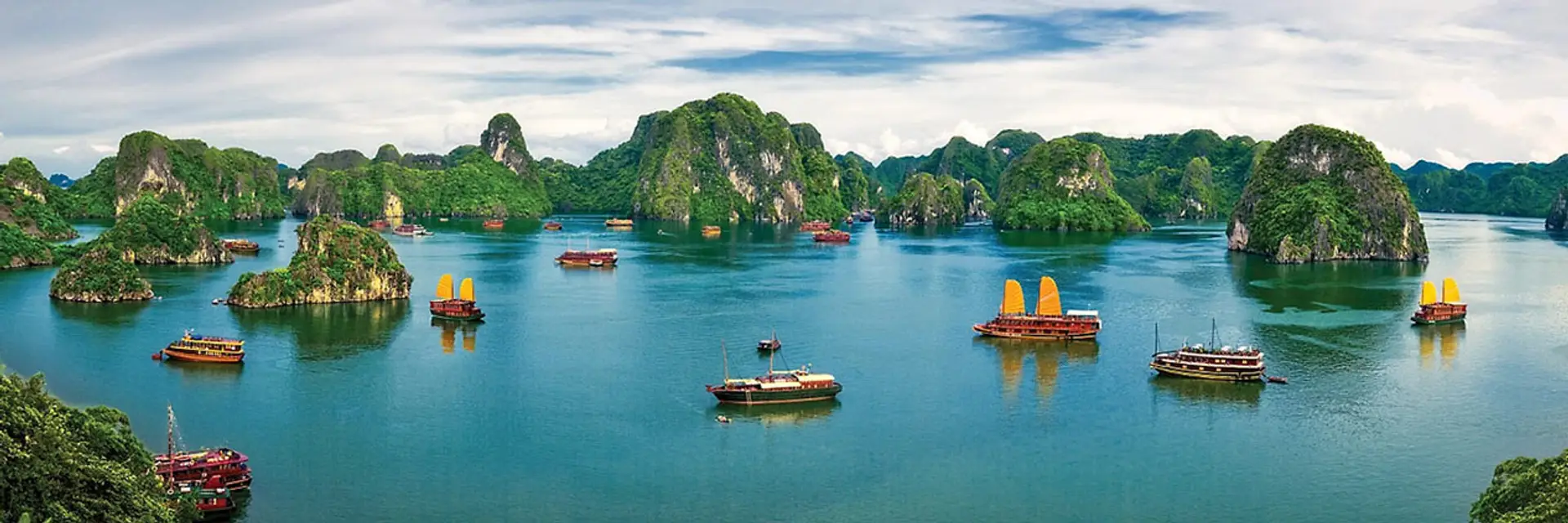
There are countless things to do in Vietnam for solo travellers, but a few stand out. Cruising Ha Long Bay isn’t only about the scenery; it’s about those quiet moments when the boat glides between limestone karsts, and you suddenly feel very small in the best way.
Another must-do is taking the Reunification Express train from Hanoi to Ho Chi Minh City. It’s not the fastest way to cross the country, but watching landscapes shift through the train window is comforting.
If you’re after culture, attending a water puppet show in Hanoi or joining a street food tour can add more depth. Vietnam’s beaches like Nha Trang or Phu Quoc, offer that rare mix of affordability and beauty.
Practical Tips for Independent Travellers
A Vietnam budget travel guide wouldn’t be complete without some practical notes. While card payments are possible in big hotels or restaurants, smaller shops will want Vietnamese dong.
Transportation apps like Grab make life easier. You avoid language confusion and get fair prices without negotiating.
It’s easy to find cheap holidays to Vietnam; accommodation ranges from hostels under $10 to mid-range hotels for $30–50 a night. Meals can be as low as a couple of dollars if you’re eating local.
Food and Drink Adventures
Vietnam’s food scene deserves its own section. Trying pho at a roadside stall in Hanoi is a classic, but it’s the smaller dishes that surprise you. Banh mi, for example, tastes different in every region. In Hoi An, it’s stuffed with herbs and chilli sauce; in Saigon, it leans heavier on meat.
Coffee culture is also something you’ll remember. Strong, sweet, and sometimes served with condensed milk or even egg yolk, it’s not only a drink, it’s a ritual. Sitting at a tiny plastic table with locals, sipping coffee while motorbikes buzz past, feels like a slice of daily life.
How BetterTrip Makes Independent Travel Easy
If planning everything on your own feels overwhelming, companies like BetterTrip can be a middle ground. Instead of rigid Vietnam holiday packages, they focus on helping you customise. You might use their tools to arrange transport or find local guides without committing to a full package tour. It’s a safety net without taking away the freedom of Vietnam independent travel.
Sample Itinerary for Independent Travellers
Designing a Vietnam itinerary for travellers can feel daunting because the country is long, and distances are bigger than they look on the map. Here’s a simple two-week outline:
● Days 1–3: Hanoi – Explore the Old Quarter, visit the Ho Chi Minh Mausoleum, and take a day trip to Ninh Binh.
● Days 4–5: Ha Long Bay – Overnight cruise.
● Days 6–8: Hoi An – Lantern-lit streets, cooking class, and a bike ride to the beach.
● Days 9–10: Hue – Imperial City and riverside relaxation.
● Days 11–14: Ho Chi Minh City – War Remnants Museum, Cu Chi Tunnels, and a Mekong Delta trip.
You could swap in Sapa if trekking appeals more, or Phu Quoc if beach time is a priority. That’s the joy of travelling independently, you’re free to shape the journey around what excites you most.
Conclusion
Vietnam is layered, sometimes chaotic, and always memorable. Travelling independently here isn’t only about ticking sights off a list. It’s about those unplanned moments, when you share a smile with a street vendor, or when a random bus ride turns into an unexpected adventure.
A cheap holiday to Vietnam doesn’t mean missing out; it makes the experience richer. And while structured Vietnam holiday packages have their place, nothing compares to the freedom of independent exploration.
Related Posts
© 2025 Invastor. All Rights Reserved
User Comments