
Ai Content Generator
Ai Picture
Tell Your Story

 Post Sphere
Wudu Wash Basins: Where Tradition Meets Modern Design
Introduction to Wudu Wash Basins
In many cultures, rituals hold a deep significance, blending spiritual practice with daily life. For Muslims, wudu — the ritual washing before prayers — is not only an act of purification but also a moment of mindfulness. In the modern world, this ancient tradition has inspired a growing demand for functional yet aesthetically pleasing wudu wash basins. These fixtures are no longer just practical necessities; they have become integral elements of architectural design in mosques, schools, and even private homes. They reflect the harmony of tradition and modernity, offering both spiritual value and contemporary style.
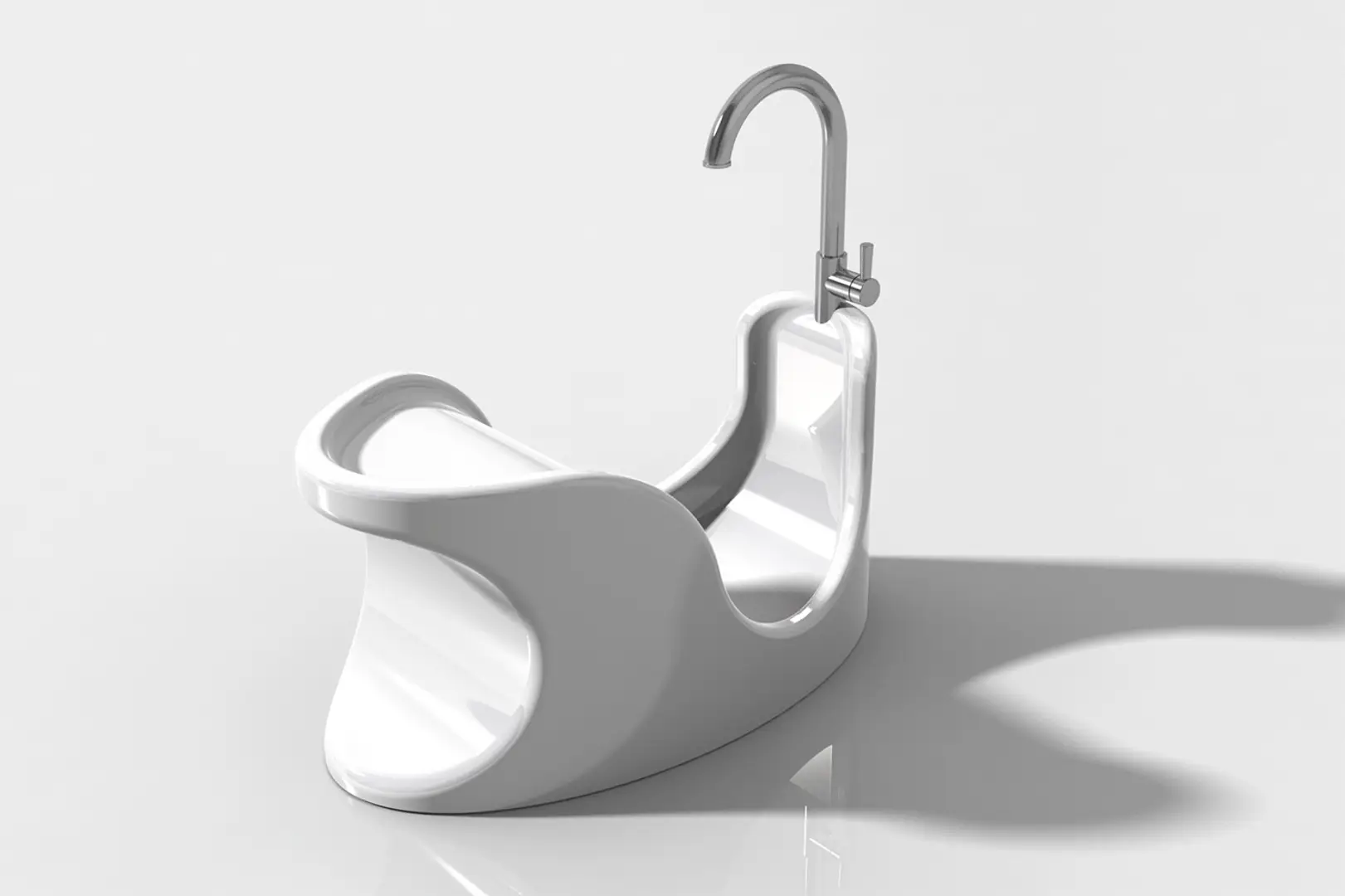
A wudu wash basin is designed specifically for the ritual of wudu, ensuring comfort, accessibility, and cleanliness. Unlike regular sinks, these basins cater to the unique needs of wudu, which involves washing hands, mouth, nose, face, arms, head, and feet. The design, placement, and materials used in these basins make all the difference, transforming a simple act into an experience that is both meaningful and elegant.
Historical Significance of Wudu
Wudu is deeply rooted in Islamic tradition, tracing back to the teachings of the Prophet Muhammad (peace be upon him). This act of purification is not just a physical cleansing but also a spiritual preparation for prayer. Historically, places of worship had dedicated ablution areas with large basins or fountains where worshippers could perform wudu comfortably.
The importance of ablution in Islamic culture has influenced the evolution of wash basins over centuries. From simple stone basins in ancient mosques to intricately carved marble structures, the concept of the wudu wash basin has been preserved and transformed to meet modern needs. Today, designers and architects embrace this heritage, blending it with contemporary aesthetics to produce basins that respect tradition while serving modern lifestyles.
Modern Needs and Wudu Wash Basin Design
Modern mosque architecture, public spaces, and even residential designs now include wudu wash basins as a central element. This shift reflects a broader trend of integrating ritual spaces into everyday living in a seamless way. Modern wudu wash basins must balance functionality with design, ensuring ease of use without compromising aesthetics.
Designers often consider ergonomics and accessibility. For instance, wudu wash basins may feature height-adjustable designs or multiple levels to accommodate people of different ages and abilities. Materials such as stainless steel, ceramic, and natural stone are chosen for durability and ease of cleaning. Moreover, modern basins incorporate innovative water-saving technology to promote sustainability without sacrificing performance.
The modern approach to wudu wash basins also focuses on hygiene. Touchless faucets, antibacterial surfaces, and streamlined drainage systems help reduce the spread of germs while making the ablution process more comfortable. This is particularly important in public spaces where many people perform wudu daily.
Integration of Wudu Wash Basins in Mosques
Mosques are the heart of Islamic community life, and the design of ablution areas plays a significant role in the overall experience of worshippers. A well-designed wudu wash basin in a mosque does more than serve a functional need — it enhances the spiritual atmosphere and provides a sense of care and respect for worshippers.
Modern mosques often integrate wudu wash basins into open, well-lit spaces that combine functionality with serenity. Designers pay attention to layout, ensuring that the ablution area is separate yet accessible, maintaining both privacy and convenience. Materials such as marble, granite, and high-quality ceramics are chosen to create a sense of timeless beauty.
Some contemporary mosques have even embraced
minimalist designs for wudu areas, focusing on simplicity and elegance. In such spaces, the wudu wash basin becomes a statement piece — a fusion of tradition and modern design that invites contemplation.
Residential Applications of Wudu Wash Basins
Traditionally, wudu was performed in communal spaces or specially designated rooms in mosques. However, modern architecture allows for greater flexibility, and many Muslim households now include dedicated wudu spaces with their own wash basins. These wudu wash basins bring convenience and spiritual fulfillment to daily life.
In residential settings, wudu wash basins are designed to blend seamlessly with the home’s interior. Compact designs and concealed plumbing allow the basin to integrate naturally into bathrooms, laundry areas, or even small alcoves. Designers often use materials like porcelain, glass, and brushed metal to match contemporary interior styles.
Having a dedicated wudu wash basin at home encourages mindfulness and simplifies the ritual, especially during busy days. It reflects how tradition can adapt to modern living without losing its essence. For many families, a home wudu area becomes not just a functional feature, but a meaningful space for spiritual connection.
Sustainability and Wudu Wash Basins
As awareness of environmental issues grows, sustainability has become an essential consideration in design. This is true for wudu wash basins as well. Water efficiency, durability, and eco-friendly materials are now key priorities for manufacturers and designers.
Innovative designs include faucets with sensors to limit water flow, recirculation systems to reuse water, and basins made from recycled materials. These features make wudu wash basins more sustainable while respecting the spiritual purpose of the ritual.
Sustainable design in ablution areas also reflects a deeper respect for the environment — an idea that resonates with the principles of many faith traditions. By combining eco-conscious design with traditional practice, modern wudu wash basins represent a thoughtful balance of spirituality and environmental responsibility.
Cultural Impact and Aesthetic Trends
The evolution of the wudu wash basin reflects broader cultural trends. Modern designs draw inspiration from art, architecture, and even technology, transforming ablution spaces into expressions of cultural identity. In many countries, wudu areas are designed to blend Islamic artistry with contemporary style, resulting in spaces that are both functional and visually striking.
Aesthetic trends in wudu wash basin design vary widely. Minimalist designs focus on clean lines and subtle elegance, while more ornate designs incorporate intricate patterns and calligraphy. Some designers experiment with lighting, integrating LED systems that enhance the basin’s appearance and create a calming atmosphere.
The cultural impact of wudu wash basins goes beyond architecture. These basins symbolize the connection between tradition and innovation, showing how heritage can evolve without losing its meaning. They embody a dialogue between the past and the present, rooted in ritual but open to modern interpretation.
Technological Innovations in Wudu Wash Basins
Technology plays a significant role in shaping the future of wudu wash basins. Smart features are increasingly integrated into design to improve functionality, comfort, and efficiency. Touchless controls, water temperature regulation, and automated cleaning systems are becoming common in modern basins.
Such innovations make the process of wudu more convenient and hygienic. For example, sensor-based faucets eliminate the need for manual operation, reducing water waste and maintaining cleanliness. Automated drainage systems help keep the area dry and safe, minimizing the risk of slips or contamination.
Some advanced designs even include digital displays showing water usage or offering reminders for proper ablution steps. While these features may sound futuristic, they are rooted in the desire to enhance the spiritual experience without compromising tradition.
Challenges in Wudu Wash Basin Design
Despite the growing popularity of modern wudu wash basins, designers face several challenges. Balancing functionality, aesthetics, cost, and sustainability requires careful consideration. Public facilities must account for heavy use, accessibility, and ease of maintenance. Residential designs must optimize space without sacrificing comfort or style.
Another challenge is respecting tradition while innovating. Wudu is a deeply spiritual ritual, and any design must honor its significance. Designers must carefully integrate modern features without detracting from the ritual’s sanctity. This requires not only technical skill but also cultural sensitivity and awareness.
Furthermore, cultural diversity means that ablution practices vary. Designers must consider regional preferences, local climate, and user behavior when creating wudu wash basins. This complexity makes each project unique and highlights the importance of thoughtful, tailored design.
Future Trends in Wudu Wash Basins
The future of wudu wash basins lies in the seamless fusion of tradition, technology, and sustainability. As architecture and design continue to evolve, we can expect even more innovative solutions that respect ritual while embracing modern living.
Future designs may integrate smart technology more deeply, with features like AI-assisted maintenance, eco-friendly materials, and adaptive designs that respond to user needs. The use of sustainable materials will likely grow, ensuring that wudu wash basins contribute to environmental preservation.
Additionally, aesthetic innovation will continue to thrive. Designers will explore new forms, textures, and lighting techniques to create ablution spaces that are both functional and inspiring. The wudu wash basin will remain a symbol of the harmony between faith and modern design, continuing to evolve in meaningful ways.
Conclusion: Where Tradition Meets Modern Design
The wudu wash basin represents much more than a functional fixture. It is a bridge between centuries of tradition and the possibilities of modern design. Whether in mosques, public spaces, or private homes, these basins embody the values of cleanliness, mindfulness, and spiritual preparation while embracing innovation and sustainability.
From historical stone basins to sleek, technology-driven designs, the evolution of the wudu wash basin reflects a profound respect for both tradition and progress. It shows how rituals can adapt to the needs of the modern world without losing their meaning.
As the demand for thoughtful, functional design grows, the wudu wash basin stands as an inspiring example of how tradition and modernity can coexist beautifully. In its form, function, and symbolism, the wudu wash basin continues to tell a timeless story — one where culture, faith, and design come together in harmony.
Related Posts
© 2026 Invastor. All Rights Reserved
User Comments