
Ai Content Generator
Ai Picture
Tell Your Story


 MMA Fight Store
Why Weightlifting Shoes Deserve a Spot in Your Gym Bag
If you lift regularly—whether it’s squats, cleans, snatches, or heavy barbell presses—you may have noticed that your everyday sneakers don’t always cut it. The soft soles and flexible design of running or casual trainers can feel unstable under heavy load. That’s exactly why weightlifting shoes exist. Designed with a raised heel, solid base, and secure structure, these shoes give lifters the foundation they need to perform at their best.
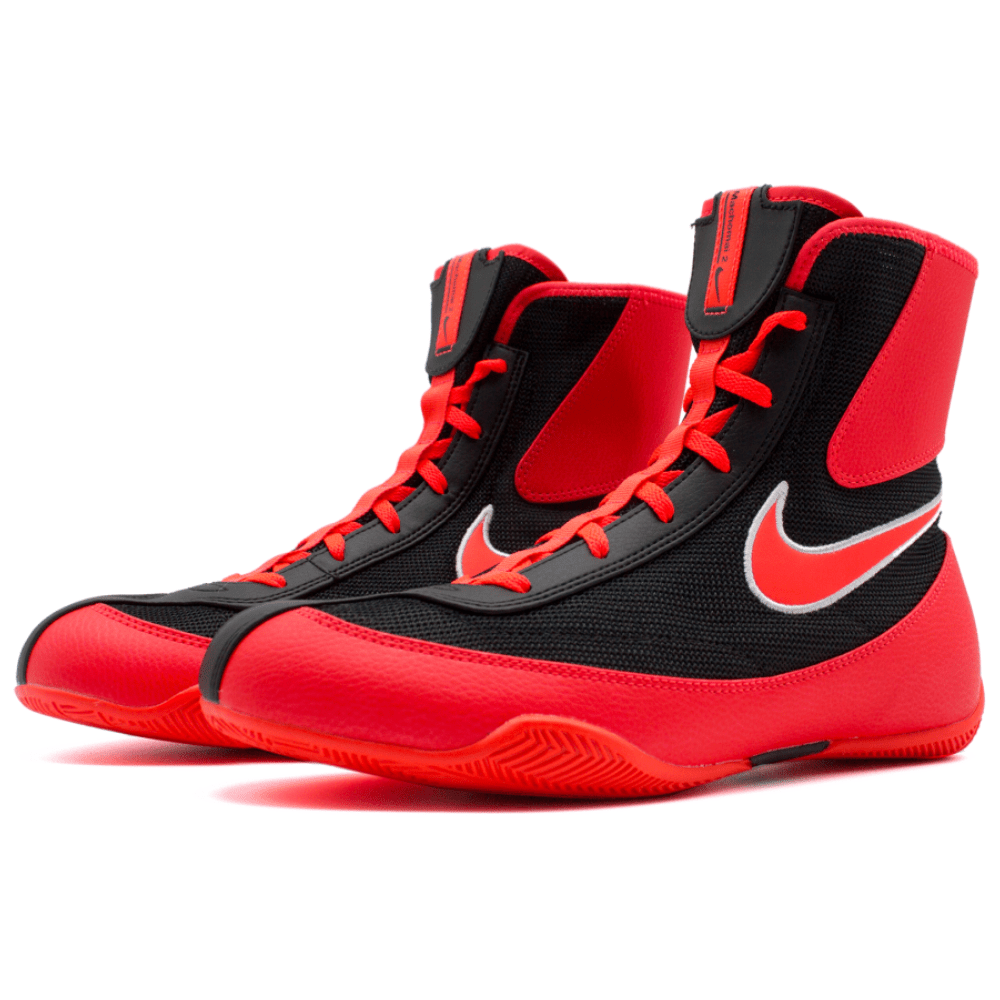
In this blog, we’ll explore what weightlifting shoes are, the benefits they provide, how to choose the right pair, and when they truly matter.
What Are Weightlifting Shoes?
Weightlifting shoes are specialized footwear designed for barbell training. Unlike running or cross-training shoes, they are built with a firm, non-compressible sole and a slightly elevated heel. The raised heel helps athletes achieve greater squat depth and maintain an upright torso, while the rigid base ensures every bit of force is transferred directly into the lift.
Many models also feature sturdy straps or locking mechanisms that secure the midfoot, preventing unwanted sliding or instability. In short, weightlifting shoes are all about creating a solid and stable platform to lift from.
Benefits of Weightlifting Shoes
Improved Squat Depth and Technique
One of the biggest advantages of wearing weightlifting shoes is the ability to achieve better squat depth. The elevated heel reduces the need for extreme ankle flexibility, allowing lifters to stay upright and lower themselves more effectively. This translates into safer and more efficient squats.
Enhanced Stability Under Load
When lifting heavy, the last thing you want is your feet shifting inside your shoes or the sole compressing under pressure. Weightlifting shoes provide a firm base that keeps you stable and grounded, which is particularly important during explosive lifts like cleans and snatches.
Better Force Transfer
A soft shoe sole absorbs energy, which means some of your effort doesn’t make it into the lift. Weightlifting shoes eliminate this problem with their hard, non-compressible soles, ensuring every ounce of power travels from your legs into the barbell.
Increased Safety
Good technique isn’t just about performance—it’s also about injury prevention. Weightlifting shoes help maintain proper posture and balance, reducing the strain on your lower back, knees, and ankles.
Secure Foot Position
Most weightlifting shoes come with additional straps or reinforced lacing systems to lock your foot into place. This keeps your feet from sliding forward during dynamic movements, giving you a greater sense of control.
How to Choose the Right Weightlifting Shoes
When shopping for weightlifting shoes, here are a few things to consider:
Heel Height: Most shoes have a heel lift between 12 mm and 25 mm. A moderate height works well for most lifters, while advanced athletes might prefer something higher for deeper squats.
Sole Material: Look for soles made from hard plastic, wood, or other dense materials. Avoid shoes with soft, cushioned soles.
Upper Construction: Durable materials like leather or reinforced synthetics provide support, while mesh panels can add breathability.
Lock-Down System: Straps or strong laces keep your feet secure, which is essential for explosive movements.
Weight and Flexibility: Some lifters prefer a lighter shoe with a bit of flexibility in the forefoot, while others go for maximum rigidity. Choose based on your style of training.
Do You Really Need Weightlifting Shoes?
Not everyone needs weightlifting shoes, but they can be a game-changer for serious lifters. If you regularly squat, perform Olympic lifts, or push heavy weights, they can help you train more effectively and safely.
For beginners or casual gym-goers, they might not be a necessity right away. But as your training progresses and your lifts get heavier, you’ll start to notice the difference. The stability, confidence, and performance boost that weightlifting shoes provide make them a worthwhile investment for anyone serious about strength training.
Final Thoughts
In strength training, the details matter. The way you set up, the technique you use, and even the shoes you wear can make or break your performance. Weightlifting shoes may look simple, but the design elements—like the raised heel, firm sole, and secure straps—are engineered to give you a serious advantage under the bar.
If you’re committed to building strength and refining your lifts, investing in a pair of weightlifting shoes is one of the smartest choices you can make. They’ll not only improve your technique but also help protect you from injuries, ensuring you can keep pushing toward your goals for years to come.
Related Posts
© 2025 Invastor. All Rights Reserved
User Comments