
Ai Content Generator
Ai Picture
Tell Your Story

 John Smith
Handheld Laser Cleaner for Effective Rust, Paint, and Contaminant Removal Across Multiple Industries
Surface cleaning has always been an essential process in industries ranging from manufacturing to cultural heritage preservation. For decades, businesses relied on abrasive blasting, chemical solvents, and manual grinding to remove contaminants from metals, machinery, and structures. These methods, although widely used, often left behind residues, consumed excessive time, and created safety concerns for workers. The rise of the handheld laser cleaner has changed this landscape completely, offering an advanced solution that redefines precision cleaning.
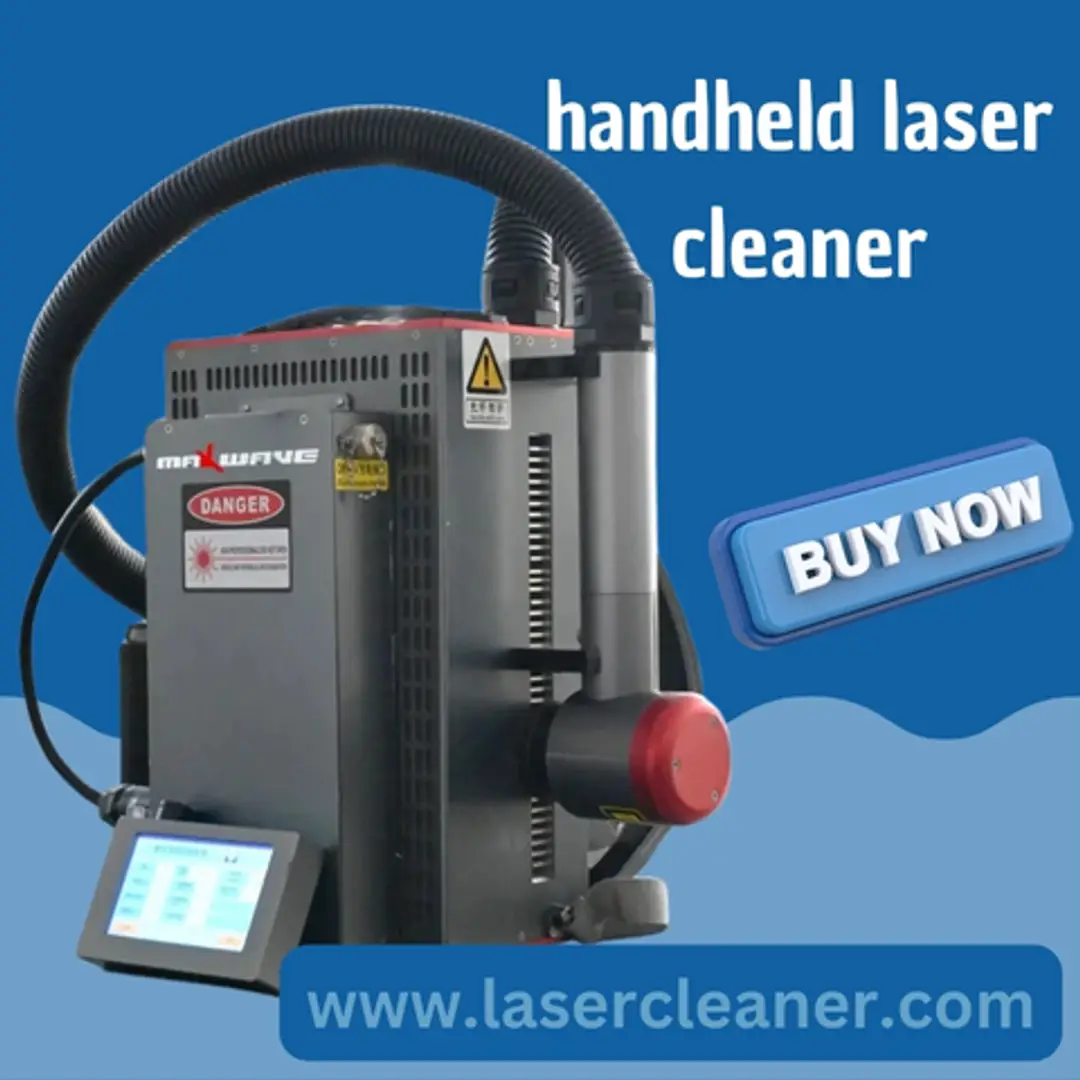
A handheld laser cleaner uses high-intensity laser beams to remove rust, paint, coatings, grease, or oxides from various materials without direct contact. Its portability makes it especially useful for on-site operations where traditional equipment may be impractical. This innovative tool is reshaping industries by combining efficiency with surface protection, making it an indispensable cleaning option for both small-scale tasks and heavy-duty applications.
How a Handheld Laser Cleaner Works
At the core of the handheld laser cleaner is the principle of laser ablation. When a concentrated laser beam is directed onto a contaminated surface, the beam interacts with the unwanted layer, such as rust or paint. The contaminants absorb the laser energy and are instantly vaporized or removed, leaving behind a clean base material.
What sets this method apart is its ability to target only the contaminant layer without damaging the underlying surface. For example, when cleaning steel machinery, the laser beam removes the corrosion but preserves the strength and structure of the steel beneath. This makes the handheld laser cleaner especially suitable for delicate restoration work where accuracy is crucial.
The portability factor adds another dimension. Workers can carry the device to pipelines, automotive parts, ship decks, or cultural heritage artifacts without the need to move bulky equipment. This mobility allows companies to integrate laser cleaning into daily maintenance with minimal disruption.
Applications of Handheld Laser Cleaner Across Industries
The handheld laser cleaner has become a preferred choice in a wide range of sectors. Its adaptability ensures that it is not limited to one type of task but rather serves multiple purposes.
- Automotive and Transportation
Car manufacturers and repair workshops use handheld laser cleaners to strip away rust, oil residues, and old paint. Unlike sandblasting, which may erode the surface, laser cleaning ensures the structural integrity of automotive parts. It is also widely used in preparing surfaces for welding or painting, improving adhesion and durability.
- Aerospace Industry
Aircraft components demand strict surface treatment standards. A handheld laser cleaner provides non-abrasive and residue-free cleaning, ensuring components remain within safety and performance specifications. Removing oxides from turbine blades or preparing aluminum parts for bonding becomes easier with this technology.
- Shipbuilding and Marine Maintenance
Ships, ports, and offshore platforms face constant exposure to saltwater, leading to corrosion. The handheld laser cleaner effectively removes rust from decks, hulls, and pipelines, extending service life without releasing harmful chemicals into the marine environment.
- Manufacturing and Heavy Industry
Factories often face buildup of grease, oxides on molds and equipment. With handheld laser cleaners, operators can restore machinery surfaces without disassembling large components. This saves downtime and reduces the cost of maintenance.
- Cultural Heritage Preservation
Historical monuments, sculptures, and artifacts accumulate dirt and pollutants over centuries. The handheld laser cleaner enables conservators to carefully clean these surfaces without damaging fragile materials. Unlike traditional brushes or chemicals, lasers can be finely adjusted for delicate restoration work.
The Economic Perspective
Industries constantly evaluate the cost-effectiveness of tools before adopting them on a large scale. The handheld laser cleaner may require an initial investment higher than traditional methods, but the long-term savings are substantial.
Reduced Consumables: No chemicals, solvents, or abrasive materials are needed.
Lower Labor Costs: Faster operation reduces manpower requirements.
Less Downtime: Machines and surfaces can be cleaned on-site, minimizing operational disruptions.
Extended Equipment Life: Non-abrasive cleaning prevents wear and tear on valuable machinery.
Over time, businesses see a clear return on investment as the cleaner reduces recurring expenses and boosts productivity.
Environmental Responsibility with Handheld Laser Cleaner
One of the strongest reasons industries are switching to handheld laser cleaners is environmental responsibility. Traditional cleaning methods often rely on hazardous chemicals that can contaminate water and soil. Abrasive blasting generates dust and waste that require disposal.
In contrast, a handheld laser cleaner produces little to no secondary waste. The vaporized particles can be captured with simple ventilation systems, ensuring a cleaner workspace. By eliminating the use of chemicals and reducing waste, companies meet environmental regulations more easily and contribute to sustainable practices.
Worker Safety and Ease of Use
Worker safety is a top concern in any industry. Handling chemical solvents and abrasive blasting equipment exposes workers to health risks such as skin burns, respiratory issues, and hearing damage. The handheld laser cleaner minimizes these risks significantly.
Operators can use the device with minimal physical effort. Most handheld models are ergonomically designed, allowing extended use without fatigue. Additionally, with proper protective eyewear, the safety risks are minimal compared to traditional methods. The training required to operate a handheld laser cleaner is straightforward, meaning staff can adopt the technology quickly.
Long-Term Industrial Transformation
The adoption of handheld laser cleaners is not just a trend; it represents a transformation in how industries view surface cleaning. What once was a labor-intensive, waste-producing, and hazardous process is now becoming efficient, sustainable, and worker-friendly.
As technology advances, handheld laser cleaners are expected to become even more compact, powerful, and affordable. This will allow small workshops, medium-sized businesses, and large-scale manufacturers alike to integrate the tool into their daily operations.
Final Thoughts
The handheld laser cleaner is redefining surface treatment across industries. By combining portability, precision, and sustainability, it has emerged as a vital tool for businesses that require efficient cleaning without compromising the environment or worker safety. From automotive repair shops to aerospace engineering and cultural preservation, the device proves its versatility every day.
In an industrial landscape that demands productivity, responsibility, and adaptability, the handheld laser cleaner has secured its place as a forward-looking solution that continues to shape the future of surface restoration.
Related Posts
© 2025 Invastor. All Rights Reserved
User Comments