
Ai Content Generator
Ai Picture
Tell Your Story

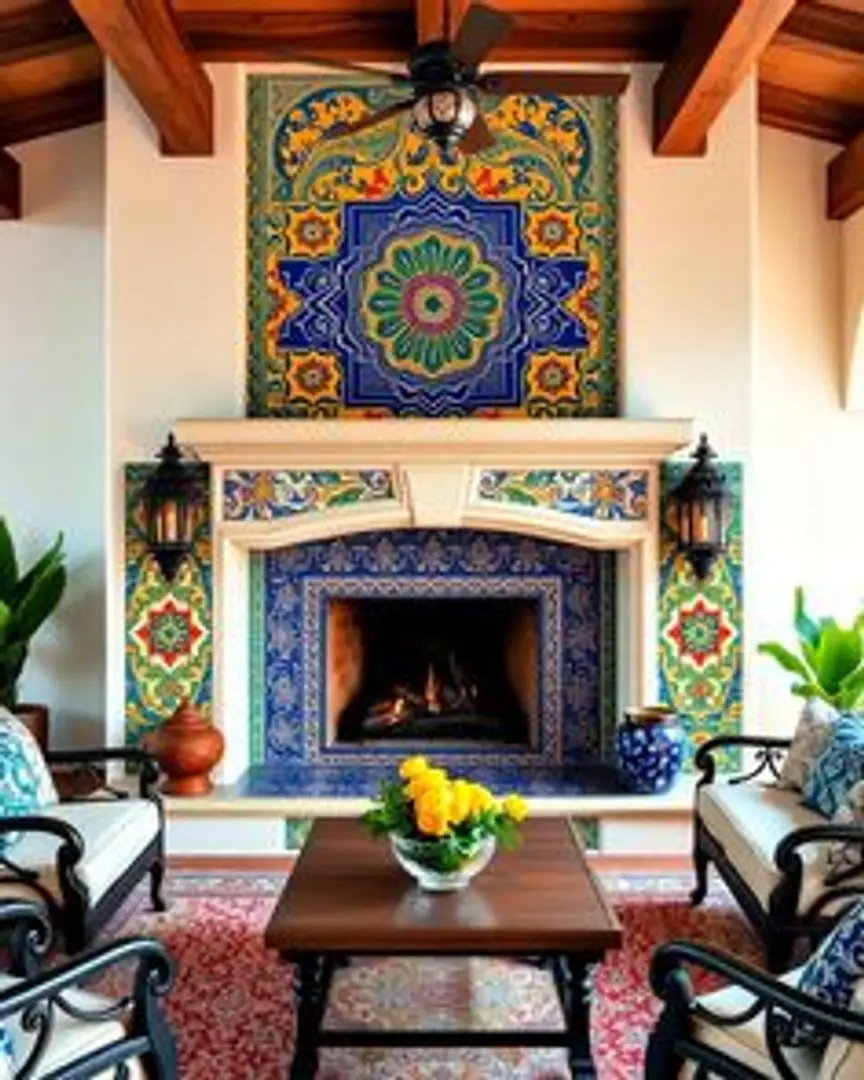
 talavera decore
Ultimate Guide to Authentic Talavera Home Decor Buying Tips
If you’re looking to add color, culture, and artisan craftsmanship to your home, Talavera home decor might be exactly what you need. Known for its vibrant patterns, bold colors, and handmade authenticity, Talavera pottery and ceramics offer far more than aesthetic value — they bring stories, tradition, and soul into your space.
But in a world full of mass-produced knockoffs and vague marketing terms, how can you be sure you’re buying authentic Talavera home decor? What makes a real piece different from a replica? And how do you use it to enhance your space without overwhelming your design?
In this ultimate guide, we’ll answer those questions — and give you the buying tips you need to make smart, stylish, and meaningful decisions.
What Is Talavera?
Talavera is a traditional form of Mexican pottery that dates back to the 16th century. It originated in Puebla, Mexico, when Spanish colonizers brought over techniques from Talavera de la Reina, Spain. Over time, these methods merged with indigenous Mexican artistry, giving birth to what is now one of the most celebrated ceramic styles in the world.
Key characteristics of authentic Talavera include:
A white tin-glazed base
Bold, colorful patterns (often featuring blues, yellows, greens, and reds)
Hand-painted detailing
Often marked or signed by the artisan or workshop
Produced in specific regions (mainly Puebla and nearby areas)
Types of Talavera Home Decor
Talavera pottery is versatile. It’s available in everything from everyday kitchenware to statement wall art. Some popular decor pieces include:
Wall art: Suns, butterflies, crosses, and floral plaques
Planters: Bowl planters, car planters, hanging pots
Tiles: Used for backsplashes, stair risers, or accent walls
Vases & jars: Often large, decorative, and perfect for entryways or mantels
Tableware: Plates, bowls, and platters that also double as decor
Whether you’re decorating a garden, kitchen, living room, or hallway, there’s a Talavera piece to match the mood and style you’re going for.
How to Spot Authentic Talavera
Unfortunately, Talavera is often imitated — and many stores sell mass-produced pieces labeled as “Talavera-style” when they’re not the real thing. To ensure you’re investing in a quality piece, here are some things to look for:
- Check the Origin
True Talavera must come from Puebla or surrounding areas in Mexico. Pieces made elsewhere may mimic the look, but they don’t follow the traditional materials or methods.
- Inspect the Finish
Authentic Talavera has a white, glossy background — not grayish or cream-colored. The glaze should feel smooth, and the colors should appear vibrant and hand-brushed, not printed.
- Look for Imperfections
Yes, imperfections are a good thing — when they’re from the artisan’s hand. Minor inconsistencies in pattern or brushstroke show the human touch. Machine-made pieces are often “too perfect.”
- Ask for Certification or Signature
Some Talavera workshops include a seal or signature from the artist. If you’re buying from a reputable source, ask if the piece is certified or signed.
- Weight & Thickness
Talavera pottery is relatively heavy and thick due to the materials used. Lightweight, flimsy pieces are often cheap reproductions.
Where to Use Talavera in Home Decor
Now that you know how to find the real thing, where should you put it? Talavera is incredibly versatile and can be used in both subtle and bold ways.
• Outdoor Spaces
Talavera planters, tiles, and wall hangings are ideal for gardens, patios, balconies, and courtyards. They add color and life to natural settings.
• Entryways
A Talavera umbrella stand, planter, or wall cross can make your entryway more welcoming and unique.
• Kitchen and Dining
Use Talavera bowls, platters, or utensil holders as functional decor. They work especially well in southwestern, Mediterranean, or farmhouse-style kitchens.
• Bathrooms
Small Talavera tiles as trim, or a few butterfly wall pieces, can make bathrooms more cheerful and inviting.
• Living Room
Place a large Talavera vase on a shelf or coffee table. Mix in a few coordinating pieces for cohesion.
• Accent Walls
Using Talavera tiles on one section of a wall — or even inside a fireplace surround — can transform a bland space into a rich, visual experience.
Tips for Styling Talavera Decor
Talavera pieces are bold, so a little can go a long way. Here are some design tips:
Mix with Neutrals: Let your Talavera be the star by keeping surrounding decor more subdued. Think white walls, wooden furniture, or beige textiles.
Pick a Palette: While Talavera can be multi-colored, sticking to 2–3 main colors in your display can keep it from looking chaotic.
Create Groupings: Use clusters of planters, a trio of wall plaques, or a tiled accent strip to add structure to your decor.
Layer Textures: Talavera works beautifully alongside natural materials like wood, leather, stone, and woven textiles.
Caring for Talavera Pieces
Talavera is durable, but it still needs care:
Indoors: Wipe with a damp cloth. Avoid abrasive cleaners.
Outdoors: Bring inside during freezing weather to prevent cracking.
For Planters: Ensure proper drainage or use liners to extend lifespan.
Avoid Dropping: Talavera is ceramic — and breakable.
With basic care, your Talavera home decor can last for many years and even become a family heirloom.
Budgeting for Talavera Decor
Because each piece is handmade, Talavera may cost more than mass-produced decor. But the value lies in:
Durability: Thick, quality materials hold up well
Uniqueness: No two pieces are identical
Cultural authenticity: You’re supporting tradition and artisans
Visual impact: One Talavera accent can change an entire space
Prices vary depending on size and complexity, but expect to pay more for larger or more intricate pieces.
Final Thoughts
Talavera home decor is more than just beautiful — it’s meaningful. When you buy authentic Talavera, you’re investing in centuries of craftsmanship, cultural history, and artistic expression. Whether you start with a single planter or tile a whole wall, it adds instant character, color, and charm to your home.
For shoppers looking to bring real, handcrafted Talavera into their spaces, Talavera Decor & More offers a curated collection of authentic pieces — including planters, butterflies, vases, and tiles — made with skill, care, and sou
Related Posts
© 2025 Invastor. All Rights Reserved
User Comments