
Ai Content Generator
Ai Picture
Tell Your Story

 Lauren Bracy
5 Proven Tips for Keeping Your 4x4 Recovery Gear in Top Shape
Your 4x4 recovery gear is the core of every secure and efficient off-road trip. When you’re faced with rough paths, slippery tracks or sand dunes, your equipment needs to be sturdy and able to perform under stress. Failure to maintain it can result in premature wear and tear, failure of equipment or even dangerous situations when you require it the most. By following a planned method of treatment, inspection and maintenance, you will be able to ensure that your equipment is in top operating condition for a long time.
In this article you’ll learn the most practical and field-tested methods to maintain the condition of your 4x4 recovery gear. From storage strategies to seasonal planning, we’ll provide every aspect you’ll need know about ensuring that your equipment never let you down.
Master the Art of Regular Inspection and Testing of Recovery Gear
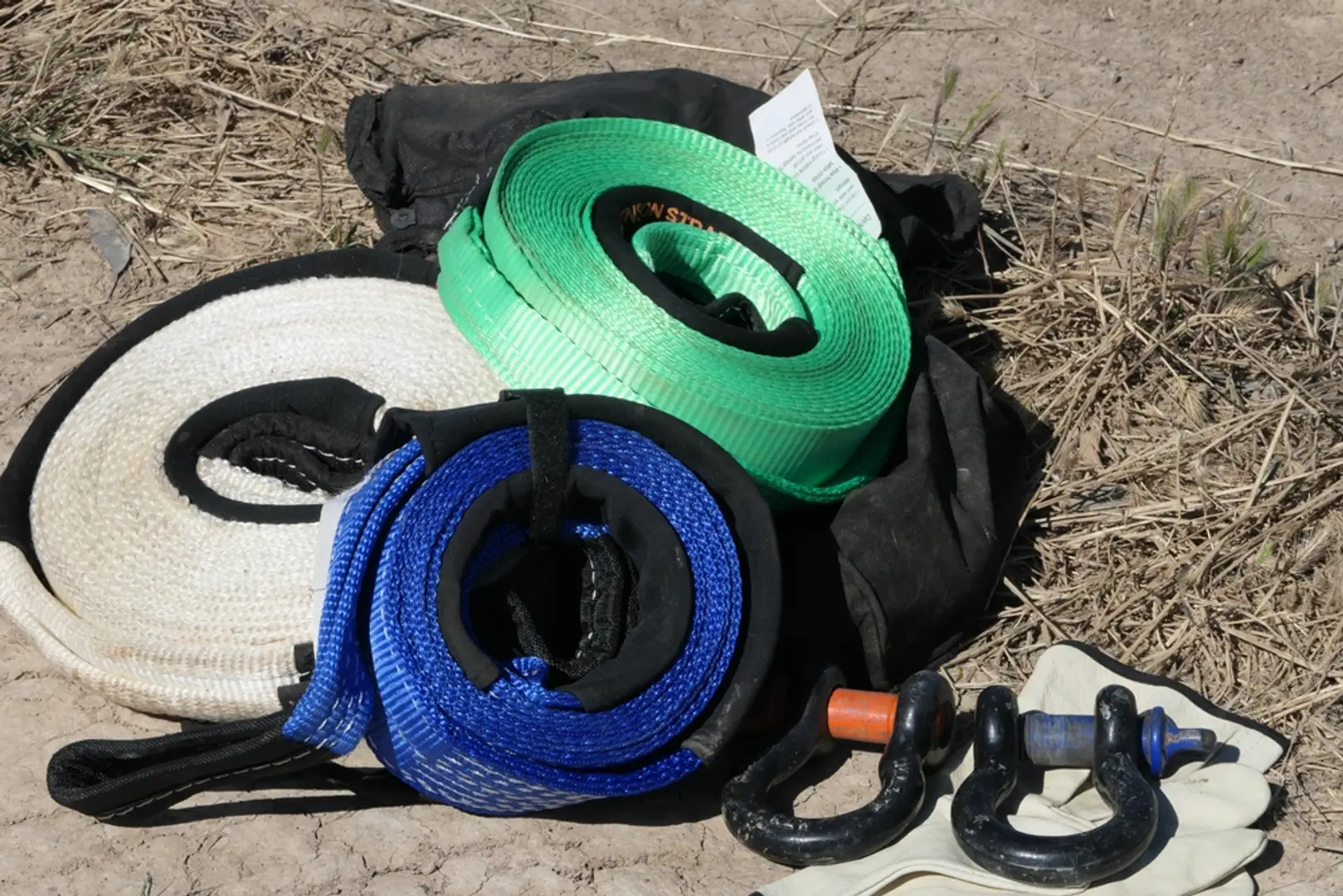
Inspections on a regular basis are an essential part of ensuring the health and safety of the recovery equipment to 4x4 cars. After each and every trip make sure you check each part that is in use, such as the straps, recovery boards, shackles and the winch cables.
Check for:
- Fraying or breaking with synthetic straps
- Cracks or rust inside steel shackles
- Kinks and flattening as well as erosion in winch lines
- Structure-related damage on recover tracks
Testing your gear in controlled conditions is equally crucial. For instance, you could spool your winch line and put it through a load test to ensure a smooth operation. This preventive approach lowers the chance of gear failure during high stress recovery.
Proper Storage: The Secret to Extending Your Gear’s Lifespan
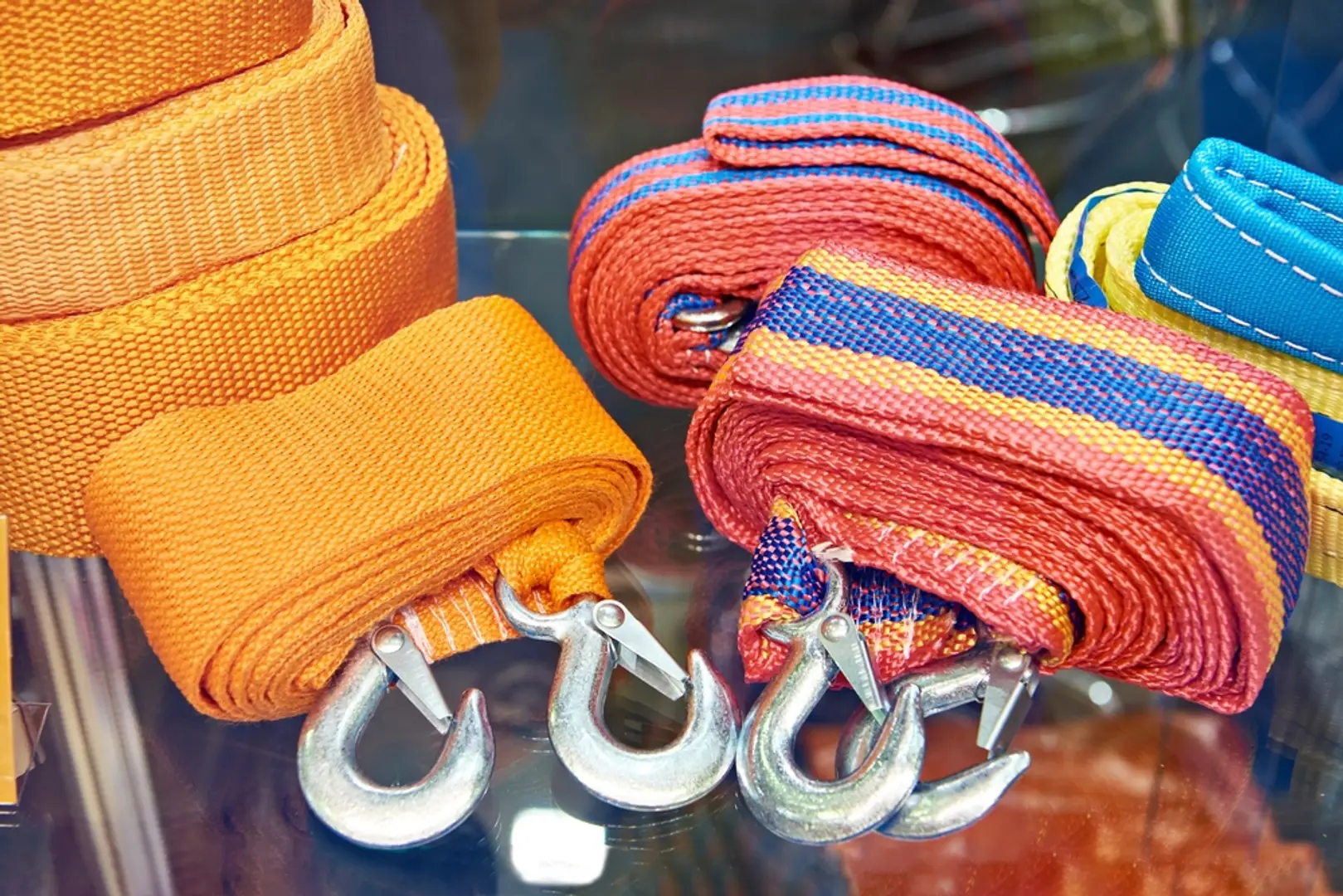
One of the most neglected aspects of keeping the 4x4 recovery gear is the proper storage. Maintaining your equipment in a cool, dry environment will stop humidity, mold, and ultraviolet exposure from weakening your equipment.
The best practices are:
- Storage bags or cases: Utilize breathable storage bags for ropes and straps to help reduce the growth of mildew.
- Avoid direct sunlight: UV rays degrade the synthetic fibers used in straps and ropes.
- Toolboxes or compartments: Storage compartments that are specifically designed for your vehicle reduces the mess and damages caused by accidental accidents.
A well-organized storage system also makes sure that you have the ability to get access to recovery equipment quickly in the event of an emergency.
Cleaning and Maintenance After Every Off-Road Adventure
The off-road environment exposes your gear for recovery to dust, sand salt and grit All of which could reduce its life span. Cleaning your equipment after every excursion should be a non-negotiable requirement.
- Straps and ropes: Cleanse them with clean water, then dry in shade. Avoid harsh cleaners that could affect fibers.
- Shackles and blocks: Wipe clean and lightly coat with oil to avoid the rust.
- Winch line care: If the line is synthetic clean the line with mild soap, then inspect for embedded grit. If steel, use rust-preventive lubricants.
- Recovery tracks: Clean up debris and mud Then look for warping or cracks.
A regular cleaning schedule ensures that you that your Off-road Recovery Kit is always prepared to go whenever it is needed.
Know When to Replace: Understanding Your Gear’s Life Expectancy
Every part that makes up the components of your 4x4 recovery equipment is designed to last for a certain amount of time. Utilizing old or weak equipment could be as risky as not having any recovery equipment in the first place.
General guidelines comprise:
- Straps: Replace them after 10-12 recoveries heavy or when evidence of damage begin to appear.
- Winch ropes: Synthetic ropes could last for 3-5 years if they are given proper maintenance. Steel cables require regular inspection.
- Shackles: Replace broken, bent or corroded to an excessive degree.
- Recovery boards: swap them out in the event that they’re damaged, warped or have lost the traction points.
Recording how much you use your equipment and when it is replaced helps monitor wear and help you avoid using equipment that is damaged.
Professional Servicing and Certification Requirements
Certain parts in 4x4 recovery gear need professional service. Examples include:
- Winches are recommended to be maintained each year by a certified technician who will inspect internal gears, electrical components and seals.
- Shackles and straps that are rated must be complying in accordance with Australian Standards, ensuring they are able to meet the requirements for load.
- Kinetic ropes must be evaluated against their manufacturer's specifications for elasticity and load limit.
The use of certified equipment is not just a guarantee of performance but also gives security in difficult situations of recovery.
Common Mistakes That Destroy Recovery Gear

A lot of off-roaders accidentally reduce the lifespan of their 4x4 recovery gear through simple errors. Avoid:
- The dragging of ropes or straps over sharp edges
- Incorrectly matched gear and inaccurate load ratings
- Storing wet gear in sealed containers
- Working load exceeding limits in recovery
Minor adjustments to handling can prolong the gear’s service duration.
Building Your Maintenance Kit: Essential Tools and Products
To keep the condition of your 4x4 recovery gear efficiently, a maintenance kit is essential. Things to include:
- Soft-bristle brush to clean straps and ropes
- Spray of Silicone to lubricate metal moving components
- Anti-rust oil for winch and shackle fittings
- A mild soap solution to synthetic material
- Logbook for inspection to record dates for servicing and wear
With a kit ready, you can ensure that maintenance after a trip becomes an easy task instead of becoming a burden.
Seasonal Maintenance: Preparing for Different Australian Conditions
Australian off-road conditions can vary greatly according to the season, so your recovery gear for recovery on 4x4 adventures will need to be adjusted accordingly.
- Summer: Additional UV protection for ropes and straps is vital.
- Winter: Check the equipment for brittleness that is caused by low temperatures.
- Coastal trips: Rinse your equipment thoroughly to get rid of the salt, which can accelerate corrosion.
- Outback dust: Clean winch and recovery board housings to stop damage caused by grit.
Making adjustments to your maintenance routine according to seasonal changes ensures your kit is reliable over different terrains.
Conclusion
It is true that your 4x4 recovery gear can only be as reliable as the attention you place into it. By regularly checking it, ensuring proper storage, timely cleaning and knowing when it is time to replace worn parts, you will ensure that your equipment is prepared for action. By utilizing professional services, you can avoid typical mistakes, and planning for the changing weather conditions will further increase the durability.
Select the reliable 4x4 recovery gear as crucial emergency equipment—when your vehicle is bogged in mud or navigating steep slopes, having the right gear can be a lifesaver. By following these tested strategies, you’ll not only extend the life of your equipment, but make sure it’s safer and more enjoyable off-road excursions.
Related Posts
© 2025 Invastor. All Rights Reserved
User Comments