
Ai Content Generator
Ai Picture
Tell Your Story

 Daniel Clarke
How to Safely Store and Handle Cleaning Products in Your Home
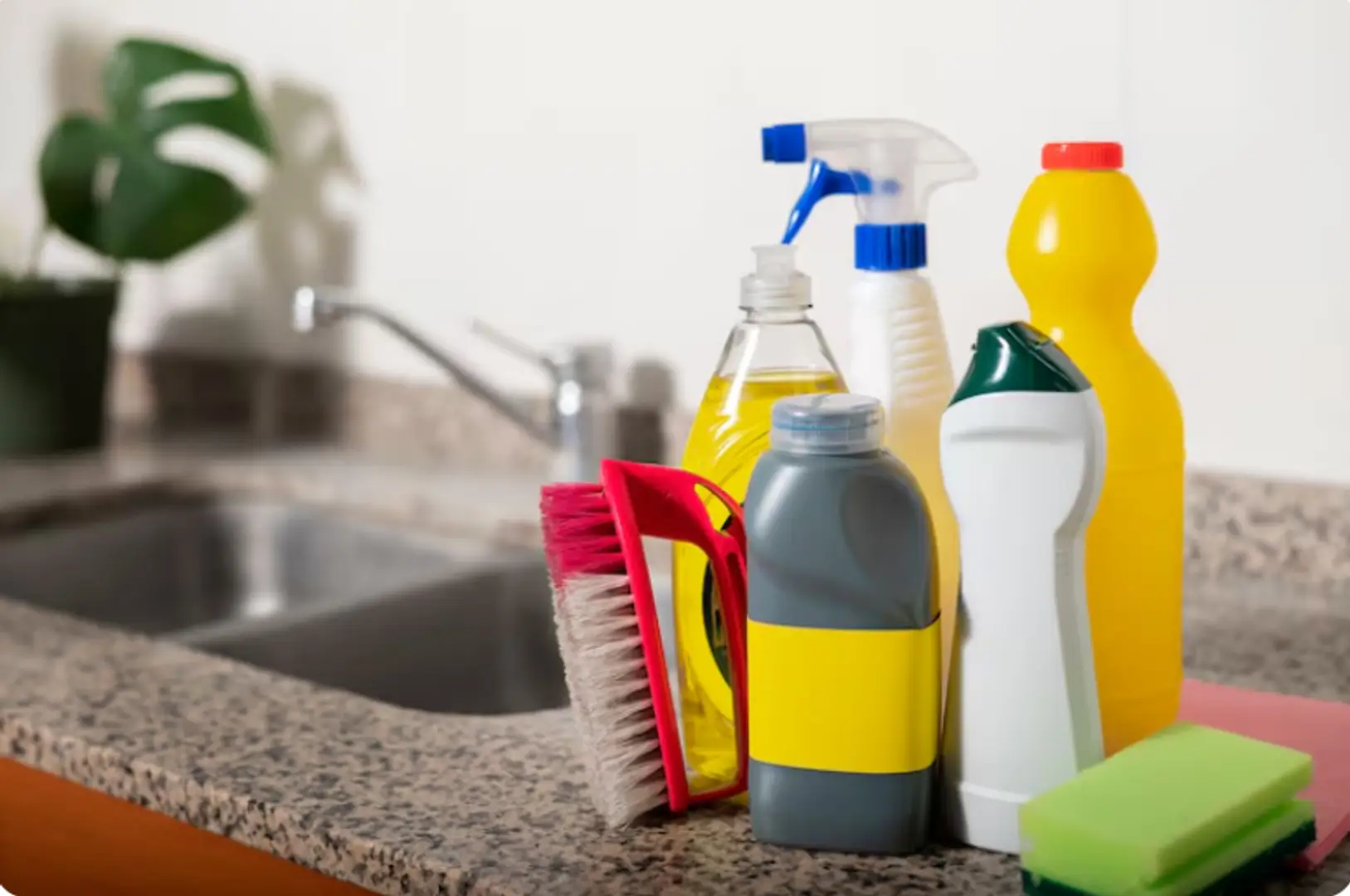
Keeping your home clean is essential for maintaining a healthy living environment, but it’s equally important to store and handle cleaning products safely. Many common household cleaners contain chemicals that can be harmful if misused or improperly stored. From potential skin irritation to toxic fumes or accidental ingestion, the risks can be serious in homes with children, pets, or elderly residents. The article contains guidelines on safely storing, handling, and using household cleaning products to prevent health hazards and accidents.
Understand the Risks of Improper Storage
Cleaning products contain active chemical agents designed to break down dirt, bacteria, and grime. While effective, these substances can pose health hazards if not stored correctly.
Problems can arise from:
- Leaks and spills that cause skin burns or damage surfaces
- Mixing incompatible products (e.g., bleach and ammonia) that release toxic gases
- Children or pets accidentally ingesting or touching hazardous cleaners
- Fire hazards from flammable aerosol or alcohol-based solutions
Proper storage and handling reduce these risks and help you maintain a safer home environment.
Always Read the Labels and Instructions
Before using any cleaning product, take the time to read the label carefully. This includes understanding directions for use, safety warnings, dilution ratios, and first-aid information. Manufacturers provide essential guidance for safe application, ventilation requirements, and storage advice specific to that product.
Even when using eco-friendly cleaning products, which are safer, it’s important to follow instructions. Natural ingredients like essential oils or vinegar can be irritating to some individuals or damaging to specific surfaces when used improperly. Responsible handling ensures the product performs effectively without unintended consequences.
Designate a Safe Storage Area
Choose a cool, dry, and well-ventilated location to store your cleaning products. Avoid places exposed to direct sunlight, humidity, or temperature extremes, which can degrade chemicals over time or increase the risk of combustion.
Ideal storage areas include:
- A high shelf in a laundry or utility room
- A locked cabinet under the sink
- A secure pantry shelf away from food and cookware
Always store products in their original containers with labels intact to avoid confusion or misuse. Never transfer chemicals into food or drink containers; this can lead to dangerous accidents.
Keep Products Out of Reach of Children and Pets
Young children and animals are naturally curious, which can lead them to explore under sinks, behind doors, or in accessible cabinets. Accidental exposure to cleaning chemicals is a common cause of emergency room visits.
To prevent such incidents:
- Install childproof locks or latches on storage cabinets
- Store products high off the ground, beyond a child’s reach
- Choose non-toxic or natural alternatives when possible
- Educate older children on the dangers of household chemicals
If a product is spilled or misused, act quickly by following the first-aid directions on the label and contacting emergency services if needed.
Avoid Mixing Products Unless Directed
Combining different cleaning products can be hazardous. For example, mixing bleach with ammonia or vinegar releases toxic fumes that can cause severe respiratory damage. Even seemingly harmless combinations may reduce the effectiveness of each product or leave behind dangerous residues.
Unless the label specifically instructs you to mix a product with another, always use products individually. If you’re switching between cleaners on the same surface, rinse thoroughly with water first to prevent chemical interactions.
Use Appropriate Safety Gear
Some cleaning tasks require more than gloves. Depending on the chemicals and surface being cleaned, you may need:
- Rubber gloves to protect your hands from irritation
- Goggles or safety glasses to prevent splashes to the eyes
- Face masks or respirators to avoid inhaling fumes in enclosed spaces
When handling stronger disinfectants or industrial-strength solutions, extra caution is warranted. Even natural or organic cleaning products can contain strong essential oils or enzymes that may irritate the skin or lungs.
Organise Products by Type and Frequency of Use
To maintain an orderly and safe cleaning cabinet:
- Store frequently used products (e.g., all-purpose sprays, dish soaps) at the front
- Place heavier containers on lower shelves to prevent tipping
- Group similar products (e.g., glass cleaners, disinfectants, floor cleaners) together
- Keep incompatible products apart to avoid accidental mixing
Consider using plastic bins or trays to catch any leaks and make it easier to move multiple products at once. This adds another layer of protection for your home and makes cleanup more manageable in case of spills.
Monitor Expiry Dates and Dispose of Old Products
Like food and medicine, cleaning products can expire. Over time, their active ingredients break down, reducing effectiveness and sometimes becoming unstable. Check for:
- Changes in smell, texture, or colour
- Separation of liquid layers
- Damaged packaging or missing labels
Dispose of expired or damaged products responsibly. Never pour chemicals down the drain unless specified. Contact your local waste management service to learn about hazardous waste collection in your area.
Label Homemade Cleaning Solutions
If you enjoy making DIY cleaners using vinegar, baking soda, or essential oils, be sure to:
- Store them in clean, clearly labelled spray bottles
- Note the date of preparation
- List all ingredients used
- Keep them out of direct sunlight and away from children
Homemade products can be effective, but without proper labelling and storage, they can pose unexpected risks or lose potency.
Final Thoughts
A clean home contributes to a healthier lifestyle, but safe storage and handling of cleaning products are as important as how well they clean. Whether you’re using traditional chemical formulas or switching to eco-friendly cleaning products, your safety practices make the difference. By reading labels, storing products securely, and using the right protective gear, you’ll create a home environment that’s both sparkling clean and safe for everyone who lives in it.
Related Posts
© 2025 Invastor. All Rights Reserved
User Comments