
Ai Content Generator
Ai Picture
Tell Your Story

 Superior Buses
Shuttle Bus or Wheelchair Van? Choosing the Right Accessible Vehicle
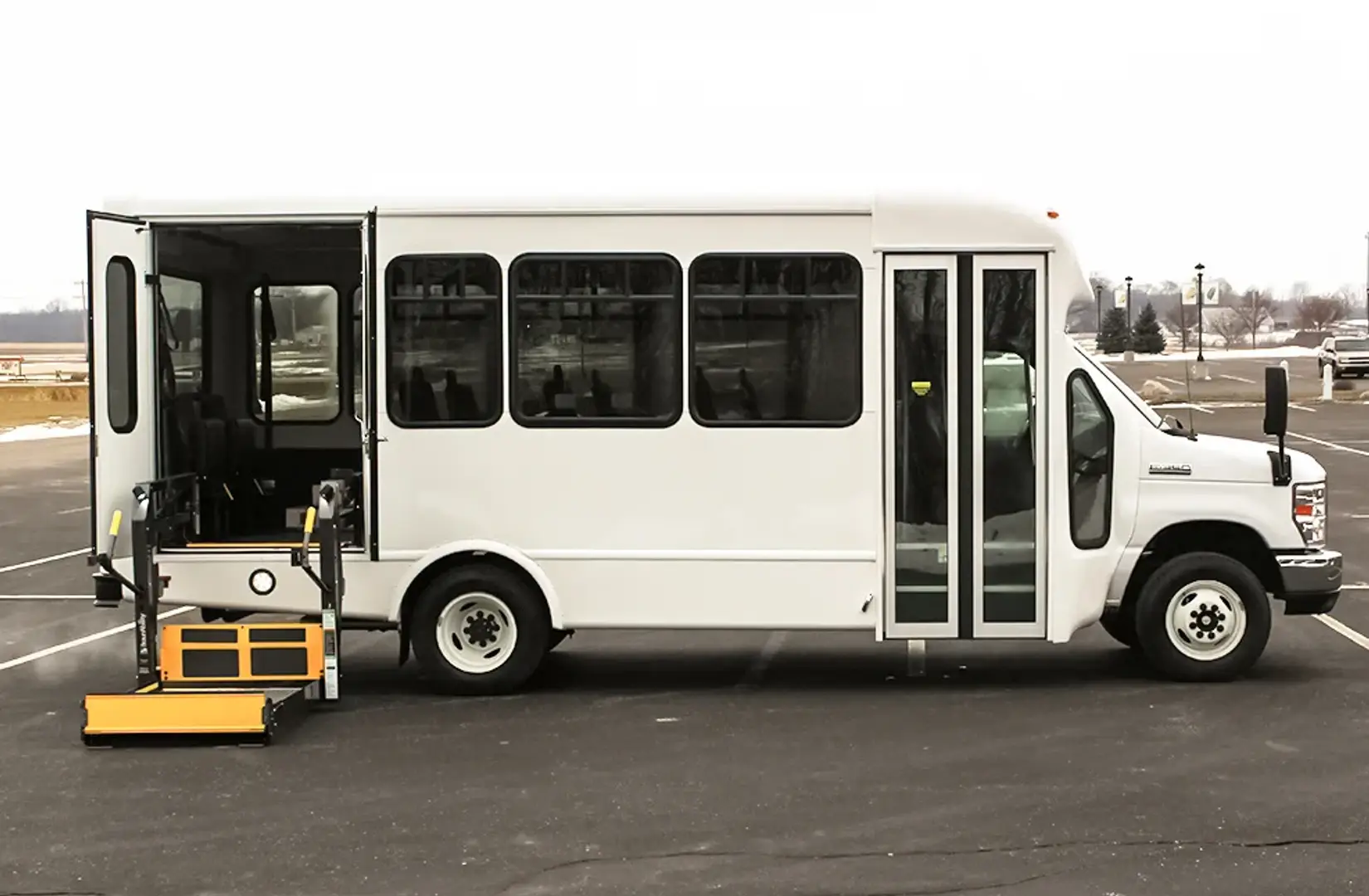
Choosing the right accessible vehicle can feel like a big decision. For churches, community groups, or medical transport providers, the choice often comes down to a shuttle bus or a wheelchair van. Both options serve unique needs, but understanding the differences is key. And if you’re considering used shuttle bus sales, you’ll want to know exactly what makes each option practical.
Why Churches Lean Toward Shuttle Buses
Most churches today are not looking for vans. Instead, they need shuttle buses that allow groups to travel together. Many churches also don’t have a CDL driver available, which makes seating capacity an important factor. By choosing a bus with fewer than 15 seats, drivers can legally operate it with a standard passenger license.
A shuttle bus provides easy entry and exit for older members, ADA-compliant lifts for handicapped passengers, and plenty of room for group seating. So, for churches, downsizing to a smaller shuttle bus makes more sense than trying to rely on vans.
When Wheelchair Vans Fit the Bill
Wheelchair vans tend to work better for personal transportation or medical trips. Hospitals, rehabilitation centers, and paratransit services often use them for shorter, individual rides. They are compact and convenient for families or small groups who only need a few seats and an ADA-compliant ramp system.
But when the need is for larger groups, like Sunday school classes or choir members, a van falls short. That’s why vans are rarely the right choice for churches.
The Advantage of Shuttle Buses for Accessibility
Shuttle buses aren’t just about size; they also come with flexibility. Many buses can be refurbished to meet specific needs. The refurbishment process usually includes mechanical inspections of brakes, suspension, steering, and electrical systems. They may also be undercoated to protect against environmental damage, while seats and flooring are repaired or replaced as needed.
And importantly, shuttle buses can be ADA-compliant with wheelchair lifts and designated seating areas. These features make them a strong choice for organizations that must serve people with mobility challenges.
Risks of Buying From the Wrong Source
Buying from a used bus broker can feel risky. Some brokers don’t fully inspect the buses or may overlook mechanical issues. Problems with unreliable delivery companies can also leave buyers waiting for weeks. That’s why working with a trusted source matters! Their focus on refurbishing buses from bumper to bumper ensures buyers know exactly what they’re getting.
Every bus is inspected, tested, and reconditioned where necessary. This level of detail makes a huge difference in long-term dependability.
The Bottom Line: Shuttle Bus or Wheelchair Van?
So, which is right for you? For churches and community groups, the shuttle bus almost always wins. It keeps seating safe and legal while also giving accessibility features like handicapped lifts. For medical transport and smaller personal trips, the used wheelchair van fits the need better. Both options can be found through used shuttle bus sales, but understanding who benefits from each type ensures you choose wisely.
Related Posts
© 2026 Invastor. All Rights Reserved
User Comments