
Ai Content Generator
Ai Picture
Tell Your Story

 mia william
How Do Chimney Sweep and Inspection Prevent Fire Hazards?
Introduction: The Hidden Dangers in Your Chimney
When you enjoy the warmth of your fireplace on a cold evening, the last thing you want to worry about is a chimney fire. But without proper maintenance, soot and creosote build up inside your chimney, turning it into a potential fire hazard.
That’s where professional care comes in. A chimney sweep clears away dangerous buildup, while a chimney inspection ensures your system is structurally safe. Together, they dramatically reduce the risk of fires and protect your home.
Why Chimney Fires Happen
Chimney fires are most often caused by creosote, a highly flammable substance that sticks to the walls of your flue. When the chimney isn’t cleaned, even a small spark can ignite it. Other causes include:
- Blocked flues from nests or debris
- Damaged liners that let heat escape
- Cracked masonry that weakens the structure
Regular chimney cleaning and inspection are the best defenses against these hidden dangers.
How a Chimney Sweep Prevents Fires
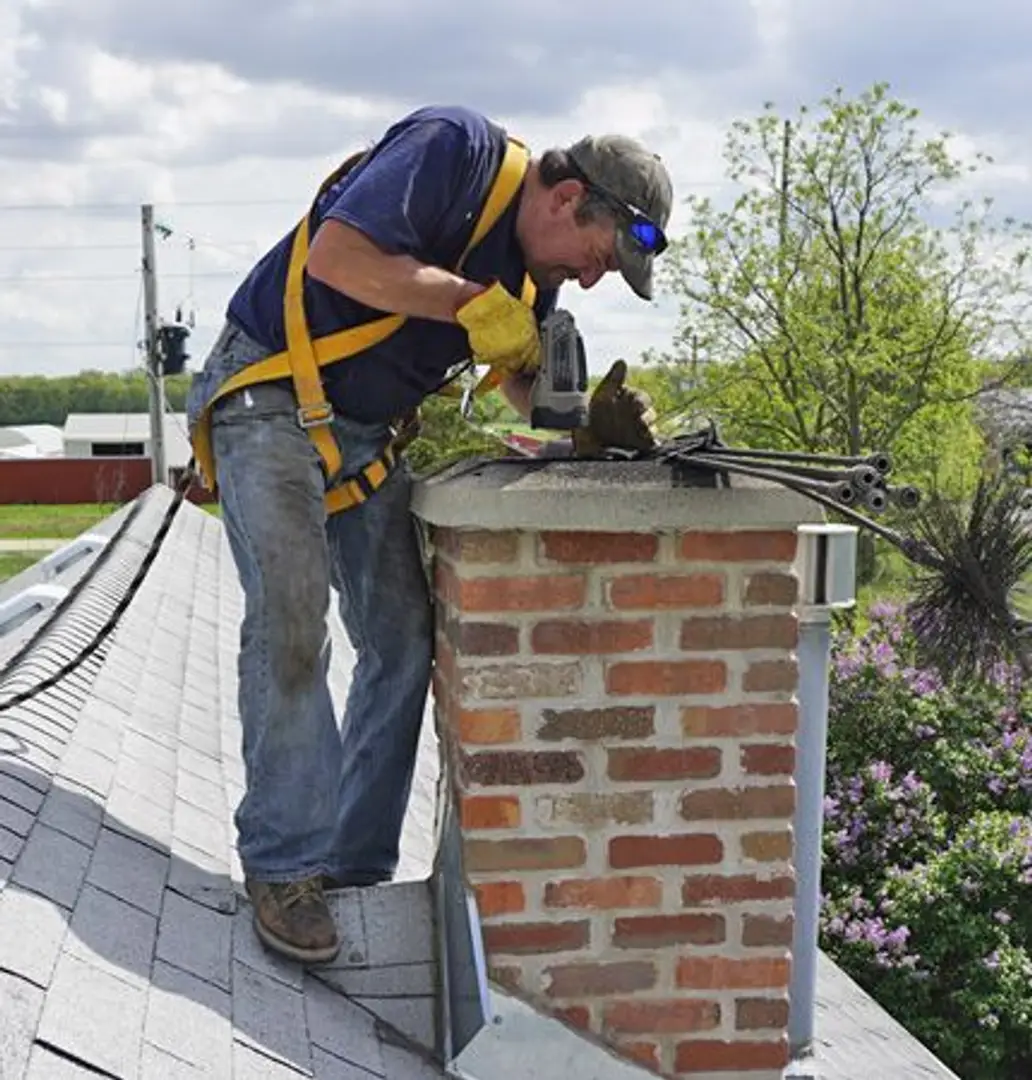
A chimney sweep focuses on removing the substances and blockages that fuel fires.
- Here’s what a professional sweep does:
- Removes soot and creosote buildup
- Clears nests, leaves, and debris from the flue
- Ensures proper airflow for safe ventilation
- Reduces smoke and carbon monoxide risks
- By keeping the chimney clean, a sweep dramatically lowers the chance of a chimney fire and improves the performance of your fireplace.
How a Chimney Inspection Prevents Fires
While a sweep handles cleaning, a chimney inspection is all about identifying safety risks before they become emergencies.
- During an inspection, certified technicians check for:
- Cracks in the flue liner where heat can escape
- Loose or missing chimney caps that let sparks out
- Signs of water damage that weaken masonry
- Improper drafting that causes smoke backup
- Structural damage that could worsen during use
A professional inspection ensures your chimney is safe to use, even if it looks fine on the outside.
Key Features of Professional Chimney Services
To get the most protection against fire hazards, choose companies that offer:
Affordable Pricing – No hidden fees, clear estimates
Annual Maintenance Plans – Year-round protection for your chimney
Fire Safety Assurance – Services designed to prevent fires
Certified Technicians – Licensed and trained experts
Chimney Cap & Masonry Repairs – Fix issues before they spread
Real Estate Inspections – Essential for new homebuyers
No-Mess Guarantee – Your home stays clean after service
Annual Fire Safety Checklist for Homeowners
- Book a chimney inspection at least once a year
- Schedule a chimney sweep before winter
- Check chimney caps for damage after storms
- Install and test smoke and carbon monoxide detectors
- Never burn wet or treated wood in your fireplace
- Keep flammable items away from the hearth
FAQs:
1. How does a chimney sweep reduce fire hazards?
By removing creosote, soot, and blockages that can ignite and start fires.
2. Is a chimney inspection really necessary every year?
Yes—structural damage or blockages may not be visible but can still cause fires.
3. What’s more important: a sweep or an inspection?
Both. Sweeps clean out dangers, inspections identify hidden risks.
4. Can a gas fireplace cause a chimney fire?
It’s rare, but blockages in venting systems can still create hazards.
5. How long does it take to sweep and inspect a chimney?
Most appointments take 1–2 hours depending on chimney size and condition.
Conclusion
Chimney fires are preventable, but only if you stay ahead of the risks. A yearly chimney sweep keeps your flue clean, while a thorough chimney inspection ensures no hidden dangers are waiting to cause problems.
Read more: chimney sweep
Related Posts
© 2025 Invastor. All Rights Reserved
User Comments