
Ai Content Generator
Ai Picture
Tell Your Story

 Denny Sams
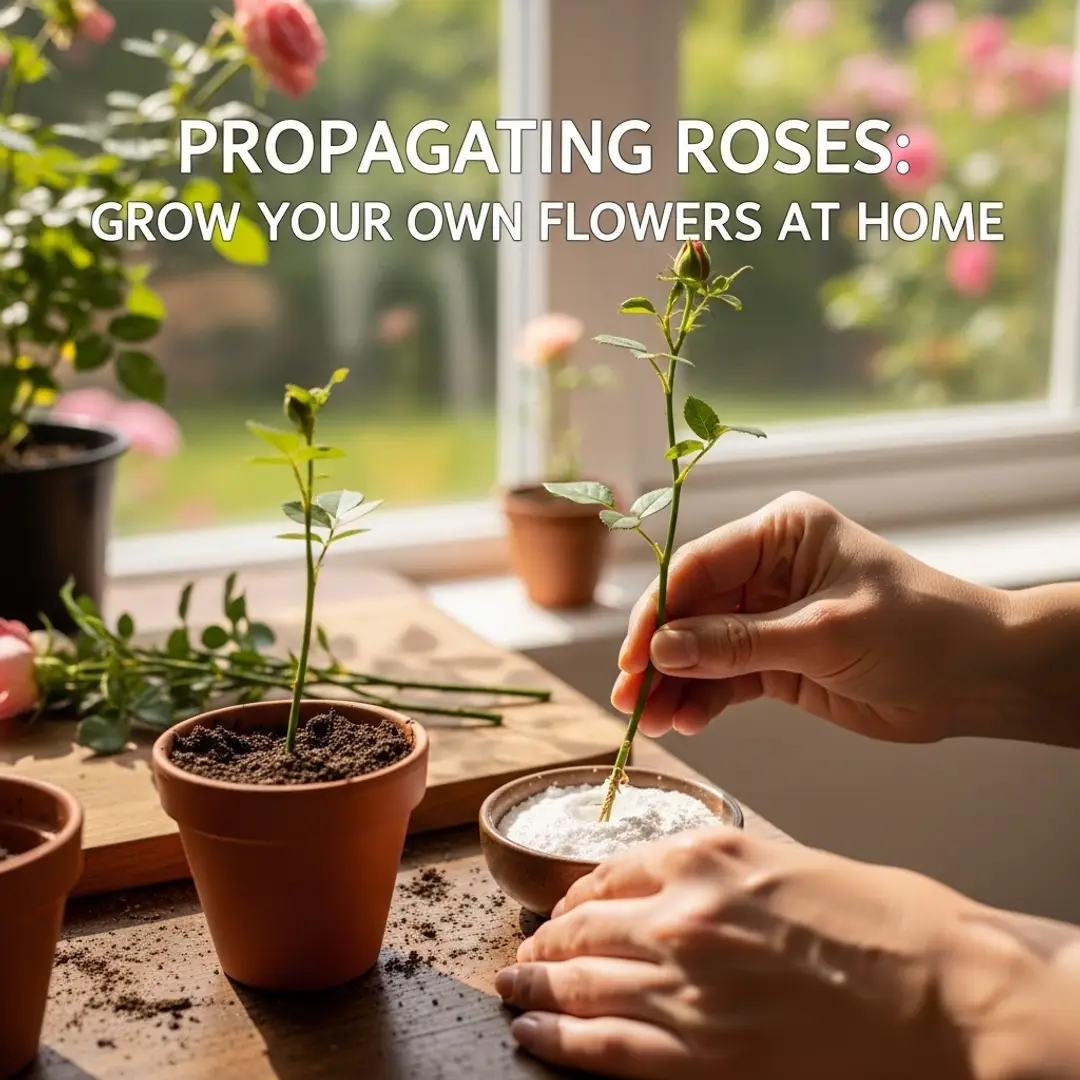
Propagating Roses: Grow Your Own Flowers at Home
Roses look complicated when you see them in a garden center, but propagating them at home is not as difficult as it seems. If you have a rose plant already or access to cuttings, you can grow new ones without buying more plants each season. It takes patience, some trial and error, and consistency.
Here are some helpful tips from our florists in Scituate MA, that will help you start the process and keep it going until you have new rose plants of your own.
Choose the Right Cutting
The starting point for rose propagation is selecting a healthy stem. You need to look for a stem that has recently bloomed and is firm but not too woody. Avoid overly soft new growth because it dries out quickly. A cutting that is about six to eight inches long usually works best. Strip off the lower leaves and keep a couple at the top. That way, the cutting can still photosynthesize without losing too much moisture.
Use Clean Tools
It may feel like an unnecessary step to you, but using a clean, sharp pruner or knife matters more than most people think. If your tool is dirty, you risk introducing disease into the cutting. You must first disinfect your blade with rubbing alcohol or boiling water. It only takes a minute and saves you problems later. A clean cut also helps the stem root faster because the tissue is not crushed.
Rooting Medium Matters
Many people try sticking cuttings into garden soil and wonder why nothing happens. Garden soil holds pests and dries unevenly. A better option is to use a mix of sand, perlite, and peat moss, or even just perlite. The mix should drain well but should be able to keep some moisture. Place the cutting about halfway down in the medium and gently press around it so it stays upright. Now cover the pot with a clear plastic bag – it creates a greenhouse effect and helps the cutting stay humid without extra effort.
Be Patient With Watering
One common mistake that many do is watering too much or very little. The goal is to keep the medium lightly moist. If it dries completely, the cutting struggles to form roots. If it is too wet, the stem may rot. Checking once a day and lightly misting is usually enough. You don’t need to pour water in every time. Over a few weeks, you will see new growth at the top if things are going well.
Watch for Roots Before Transplanting
It is tempting to move a cutting to the garden as soon as you see new leaves, but that is not always the right time. Leaves may grow before roots are strong enough. Gently tug the cutting to check resistance. If it feels anchored, then roots have formed. Only then should you think about moving it to a larger pot or directly into your garden soil. Giving the young plant more time in the container makes it less likely to fail outdoors.
Timing Helps Success
Spring and early summer are usually the best seasons for rose propagation- that’s what gardeners and Hanover florists suggest. The weather is warm but not too hot, and humidity helps root development. You can still try during other times of the year if you live in a mild climate, but success rates may be lower. If your first attempt fails, try again when the weather is more favorable. Propagation is rarely perfect on the first try, so expect some cuttings not to make it.
Sometimes you just want to enjoy something fresh without worrying about care routines. If that sounds like you, skip the plant for now and bring home fresh flowers instead. Order today from Judy’s Blossom Shop and enjoy blooms delivered right to your door, or visit our flower shops in Marshfield, MA, today in person!
Also read Mastering the Floral Arch: A Step-by-Step Guide for Events.
Related Posts
© 2025 Invastor. All Rights Reserved
User Comments