
Ai Content Generator
Ai Picture
Tell Your Story

 Eleven VA
What Is the Science Behind Crystal Hair Removal?
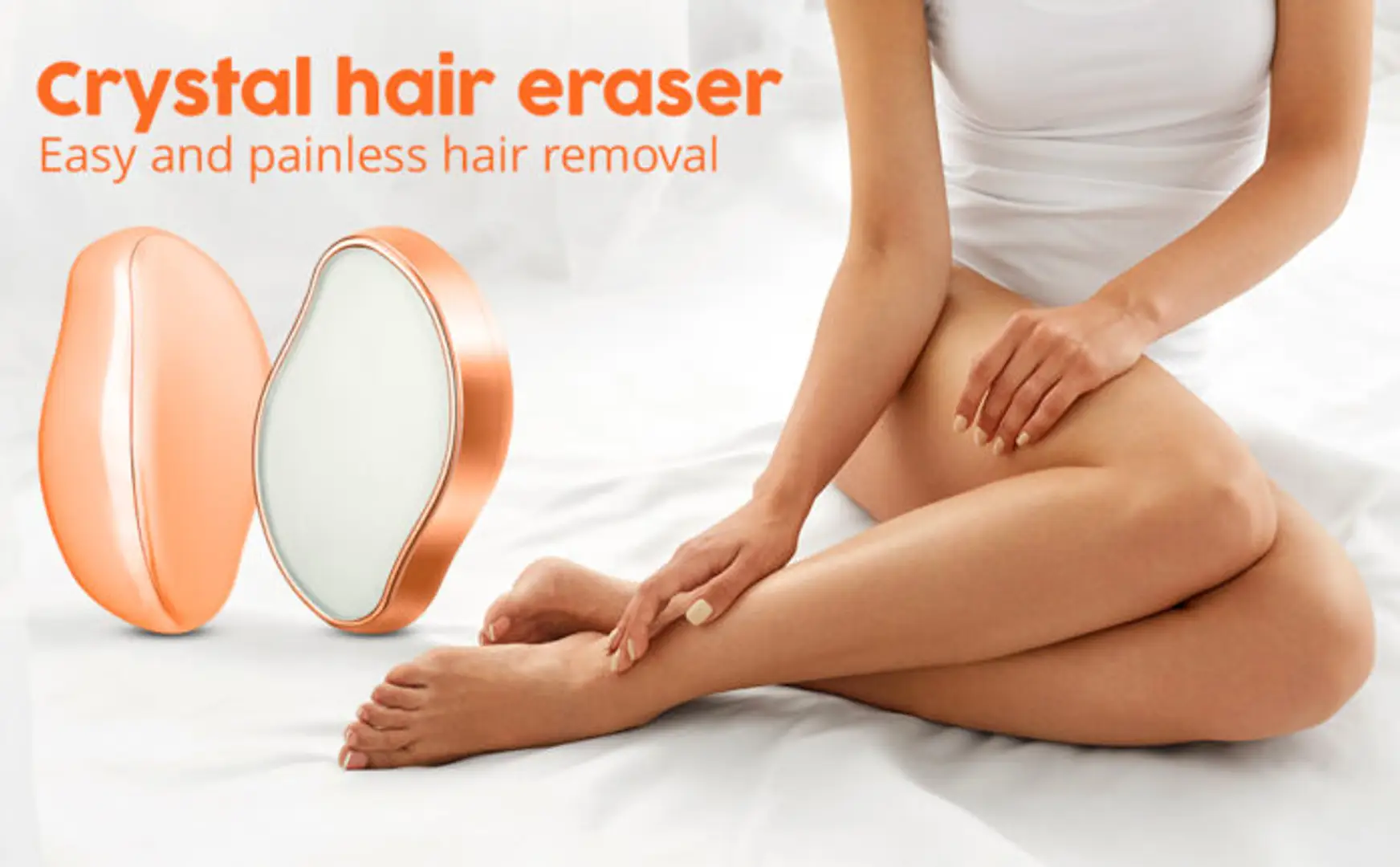
The beauty and skincare industry continues to evolve with innovative hair removal methods, and one trending solution is the crystal hair remover. This reusable tool, made with etched microcrystals, is marketed as a painless, eco-friendly, and cost-effective alternative to razors and waxing. Its rise in popularity has been fueled by social media, where users praise its smooth finish and exfoliating benefits. However, to truly understand its value, it’s important to look deeper into the science, effectiveness, advantages, drawbacks, and safety concerns surrounding crystal hair removers and how they compare to traditional hair removal methods.
The Technology Behind Crystal Hair Removers
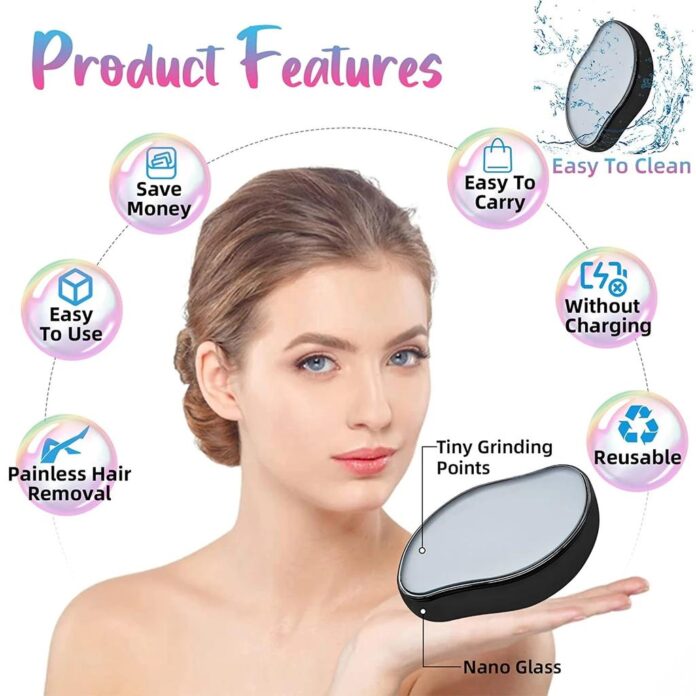
Crystal hair removers use nanocrystal technology, a surface design that features thousands of microscopic etched ridges. When rubbed gently against the skin in circular motions, these ridges cause hairs to clump and break at the surface, effectively buffing away unwanted hair. Unlike razors that slice hair cleanly or waxing that pulls from the root, a crystal hair remover friction-polishes hair. This makes it less sharp when regrowth occurs, giving the skin a smoother feel for a few days. The process doubles as an exfoliating treatment, removing dead skin cells while clearing hair at the same time.

Why Does Crystal Hair Removal Work
Crystal hair removal works through a combination of mechanical friction and exfoliation. The microcrystals on the surface of the tool create controlled abrasion that weakens and breaks hair strands at the surface, while simultaneously removing dead skin cells that can block hair follicles. This dual action not only leaves the skin feeling smoother than shaving but also helps reduce the risk of ingrown hairs. Many users find that the polished finish after exfoliation enhances the overall appearance and texture of their skin.
How Long Do Results Last
Crystal hair removal typically lasts 3 to 7 days, depending on individual hair growth cycles. Since the device does not target the root or follicle, regrowth occurs quickly, similar to shaving. A permanent solution like laser hair removal, but it can serve as a natural, reusable method for maintaining smooth skin without chemicals or blades.
Is Crystal Hair Removal Safe
Crystal hair removers are generally safe when used correctly, but dermatologists warn that overuse may lead to redness, irritation, microtears, or dryness from excessive exfoliation. To reduce these risks, it is best to limit use to once or twice a week and follow the treatment with a soothing moisturizer or aloe vera gel to keep the skin calm and hydrated.
Crystal Hair Remover Other Methods
To understand the science behind crystal hair removal, it’s important to compare it with other popular methods:
Shaving : Cuts hair at the surface but can cause razor burns and ingrown hairs.
Waxing : Removes hair from the root, giving longer results, but is painful and expensive.
Depilatory Creams : Chemically dissolve hair but may irritate sensitive skin.
Laser Hair Removal : Targets the follicle for permanent reduction but requires costly, repeated sessions.
Crystal Hair Remover : Uses nanocrystals to buff away hair, pain-free and reusable, but limited on coarse or thick hair.
This shows that while crystal hair removers are not the strongest method, they fill a gap as a natural, sustainable alternative.
Where Crystal Hair Removers Work Best
The science shows that crystal stones are most effective on:
- Arms
- Legs
- Fine body hair
They are not recommended for:
- Face (especially around the eyes)
- Underarms
- Bikini line
- Broken or sensitive skin
The friction process is simply not strong enough for dense, coarse hair and may irritate delicate areas.
Trending Topic: Eco-Friendly Beauty
One reason crystal hair removers are so popular is their eco-friendly appeal. Unlike disposable razors that contribute to plastic waste, a crystal device can last for months with proper care.
This aligns with the growing trend of sustainable beauty tools and zero-waste grooming solutions. Consumers are actively replacing single-use items with long-lasting alternatives, and crystal hair removers are a perfect fit for this movement. American History Savers, while focused on cultural awareness and knowledge-sharing, also highlights how adopting eco-friendly habits even in personal care can make a lasting impact on communities and future generations.
The Disadvantages of Crystal Hair Removal
Despite its eco-friendly benefits, crystal hair removal does come with limitations:
Not permanent : Works only at the surface.
Time-consuming : Slower than shaving for large areas.
Less effective on coarse hair : Limited results on underarms and bikini line.
Risk of irritation : Especially with sensitive or dry skin.
Understanding these disadvantages helps consumers set realistic expectations before trying the tool.
Do Crystal Hair Removers Work for Everyone?
The effectiveness depends on hair type, skin type, and expectations. For people with fine hair looking for a natural, chemical-free method, crystal hair removers are a great choice. However, those with coarse hair or who want long-lasting results may prefer waxing or laser treatments. This balance between eco-conscious living and practical beauty needs explains why the product has gained so much traction online.
Final Verdict: The Science Behind Crystal Hair Removal
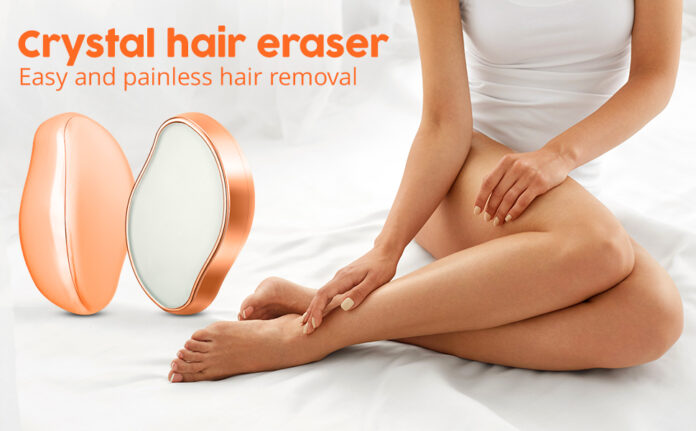
The science behind crystal hair removal proves that nanocrystal technology works by using friction and exfoliation to polish away fine hairs. While it is safe, painless, and environmentally friendly, it has limitations. Results are temporary, it may not work on coarse hair, and overuse can irritate the skin. Ultimately, crystal hair removers are best suited for those who value eco-friendly, reusable beauty tools over quick or long-lasting results. For a natural grooming solution, they are worth trying, especially when purchased from trusted sources. American History Savers emphasize making informed lifestyle choices including in beauty care that benefit both individuals and the environment. By understanding the science, you can decide if a crystal hair remover aligns with your personal needs and values.
FAQs
What is crystal hair remover made of?
A crystal hair remover is typically made of tempered glass or plastic infused with etched microcrystals. These microcrystals create a fine abrasive surface that helps weaken and remove hair when rubbed gently on the skin. The design is eco-friendly and reusable, making it a sustainable alternative to disposable razors and waxing strips.
What are the benefits of crystal hair treatment?
Crystal hair removal offers multiple benefits, including painless hair removal, natural exfoliation, smoother skin, and reduced risk of ingrown hairs. It is affordable, reusable for months, and eco-friendly, making it a trending choice for those seeking sustainable beauty solutions.
How often should I use the crystal hair remover?
For best results, crystal hair removers should be used only once or twice a week. Overuse may lead to irritation, redness, or dryness due to excessive exfoliation. Limiting sessions allows the skin to recover while still enjoying smooth, hair-free results.
Does crystal really work?
Yes, crystal hair removers work effectively on fine to medium hair types, especially on arms and legs. However, they may not be as effective on coarse or thick hair, and results typically last 3 to 7 days, similar to shaving. They are best suited for those who prefer a gentle, eco-conscious method of temporary hair removal.
How to use crystal hair remover on private area?
It is not recommended to use a crystal hair remover on sensitive areas like the bikini line or private parts, as the skin is delicate and prone to irritation or microtears. Instead, it is safer to use it on larger, less sensitive areas such as arms and legs for smoother results without discomfort.
Related Posts
© 2025 Invastor. All Rights Reserved
User Comments