
Ai Content Generator
Ai Picture
Tell Your Story

 Renegade Classics
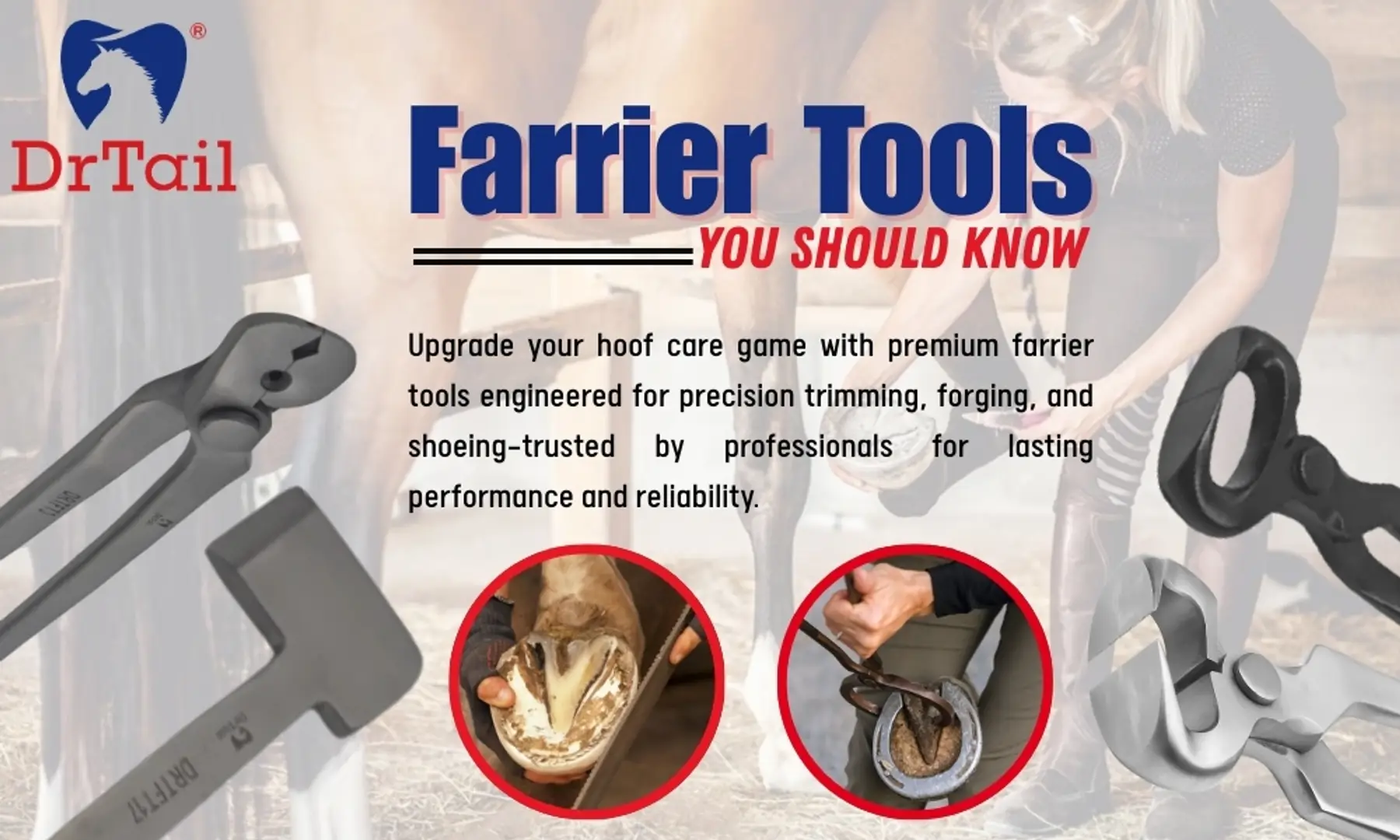
Essential Farrier Tools You Should Know
7 Essential Farrier Tools A Veterinarian Must Know About
Caring for hoof health is one of the primary duties of anyone who is associated with big animals— horses, cows, and buffalo. A clean hoof positively impacts the animal’s mobility, performance, and comfort, which contribute to better physical health. Farriers utilize techniques like shoeing, trimming, and balancing using specialized tools that perform all these operations with precision and safety. As a farrier, you should be well-acquainted with these tools and how to use them effectively to maintain the physical health of animals.
Why High-quality Farrier Tools Matter?
The importance of hoof care extends beyond just performing basic operations. It is associated with the overall physical health of the animal. Proper hoof care eliminates the risks of imbalances, injuries, and mobility issues. Using poor-quality——- outdated, and defective tools can compromise the overall performance of the animal.
So it is recommended for the farriers to use high-quality tools that help in doing the job properly. So, we are going to list the Best farrier tools that you must know about and use them effectively.
Core Farrier Tools Every Professional Needs
1. Hoof Nippers
Hoof nippers are used to cut away excess hoof wall before trimming. They function much like oversized nail clippers, designed to withstand the hardness of the hoof. The best farrier tools feature sharp blades and strong steel that allow clean, controlled cuts with minimal effort.
2. Hoof Knives
A hoof knife is essential for cleaning out the sole, frog, and bars of the hoof. It helps remove loose material and detect issues such as abscesses. Ergonomically designed handles provide comfort during extended use, making them an indispensable horse trimming tool.
3. Rasps
Rasps work like files to smooth and level the hoof wall after nipping. They’re also used for fine adjustments when balancing the hoof before shoeing. A quality rasp should have a coarse side for rapid shaping and a fine side for finishing touches.
4. Pull-Offs
Also known as shoe pullers, these tools are designed to safely remove horseshoes without damaging the hoof. Strong jaws and comfortable grips make them one of the most important professional trimming tools in any farrier’s kit.
5. Clinchers
Once nails are driven into the hoof to secure a shoe, clinchers bend and flatten the protruding ends. A good clincher ensures the shoe stays firmly in place while protecting the hoof wall.
6. Driving Hammer & Anvil
Farriers use a driving hammer to drive nails through the hoof wall. Paired with an anvil, these tools allow precise shaping of the horseshoe before it’s applied. This combination is the backbone of farrier work.
7. Hoof Stands
Though sometimes overlooked, hoof stands are vital for both horse and farrier. They keep the hoof stable during trimming and shoeing, reducing strain on the farrier’s back while keeping the horse comfortable.
Dr Tail Farrier Tools: Precision You Can Trust
When it comes to quality, Dr Tail farrier tools stand out as a trusted choice among professionals. Built with durability and comfort in mind, they combine modern manufacturing with practical design.
Why farriers prefer Dr Tail:
- Durability: Made from high-grade steel to withstand daily wear.
- Precision: Sharp cutting edges and balanced designs for clean results.
- Comfort: Ergonomic handles reduce fatigue during long trimming sessions.
- Professional-Grade: Designed specifically for farriers, vets, and equine dentists.
If you’re serious about equine hoof care, upgrading to Dr Tail tools means investing in long-term reliability and performance.
Choosing the Best Farrier Tools
With so many options on the market, how do you choose the best farrier tools? Consider these factors:
- Material Quality – Look for forged or stainless steel that resists rust and maintains sharpness.
- Ergonomics – Handles should reduce strain and allow precise control.
- Reputation – Trusted brands like Dr Tail provide consistency and professional-grade reliability.
- Specific Needs – Beginners may start with basic horse trimming tools, while professionals may require specialized sets.
Professional Trimming Tools for Experts
For farriers who trim and shoe horses daily, having professional trimming tools is not optional—it’s essential. Professional-grade kits include everything from knives and nippers to rasps and clinchers, all engineered for high performance. These tools not only make the job easier but also ensure the horse’s comfort and hoof health are never compromised.
Final Thoughts
Hoof care is a balance of skill, patience, and the right equipment. From horse trimming tools for beginners to advanced kits for experienced farriers, each tool has a purpose in keeping horses healthy and strong.
If you want lasting performance and precision, trust Dr Tail farrier tools. Designed with professionals in mind, they combine durability, sharpness, and comfort, making them some of the best farrier tools available today.
Investing in quality isn’t just about making your work easier—it’s about giving horses the care they deserve.
Related Posts
© 2025 Invastor. All Rights Reserved
User Comments