
Ai Content Generator
Ai Picture
Tell Your Story

 Simon Stuart
Ipswich Heritage Chicken: Preserving Flavor and Tradition
Table of Contents
- Introduction
- What is Ipswich Heritage Chicken?
- Historical Roots and Cultural Importance
- Distinctive Qualities and Flavor Profile
- Farming Practices and Sustainability
- Why Heritage Matters Today
- Conclusion
Introduction
In today’s food industry, over 90% of chickens consumed worldwide come from fast-growing commercial breeds, bred primarily for efficiency rather than taste or welfare.
However, small communities and dedicated farmers are working to protect traditional breeds that carry history, resilience, and authentic flavor.
One such example is the Ipswich Heritage Chicken, a breed that embodies not only a rich culinary legacy but also a deeper commitment to preserving biodiversity in agriculture.
What is Ipswich Heritage Chicken?
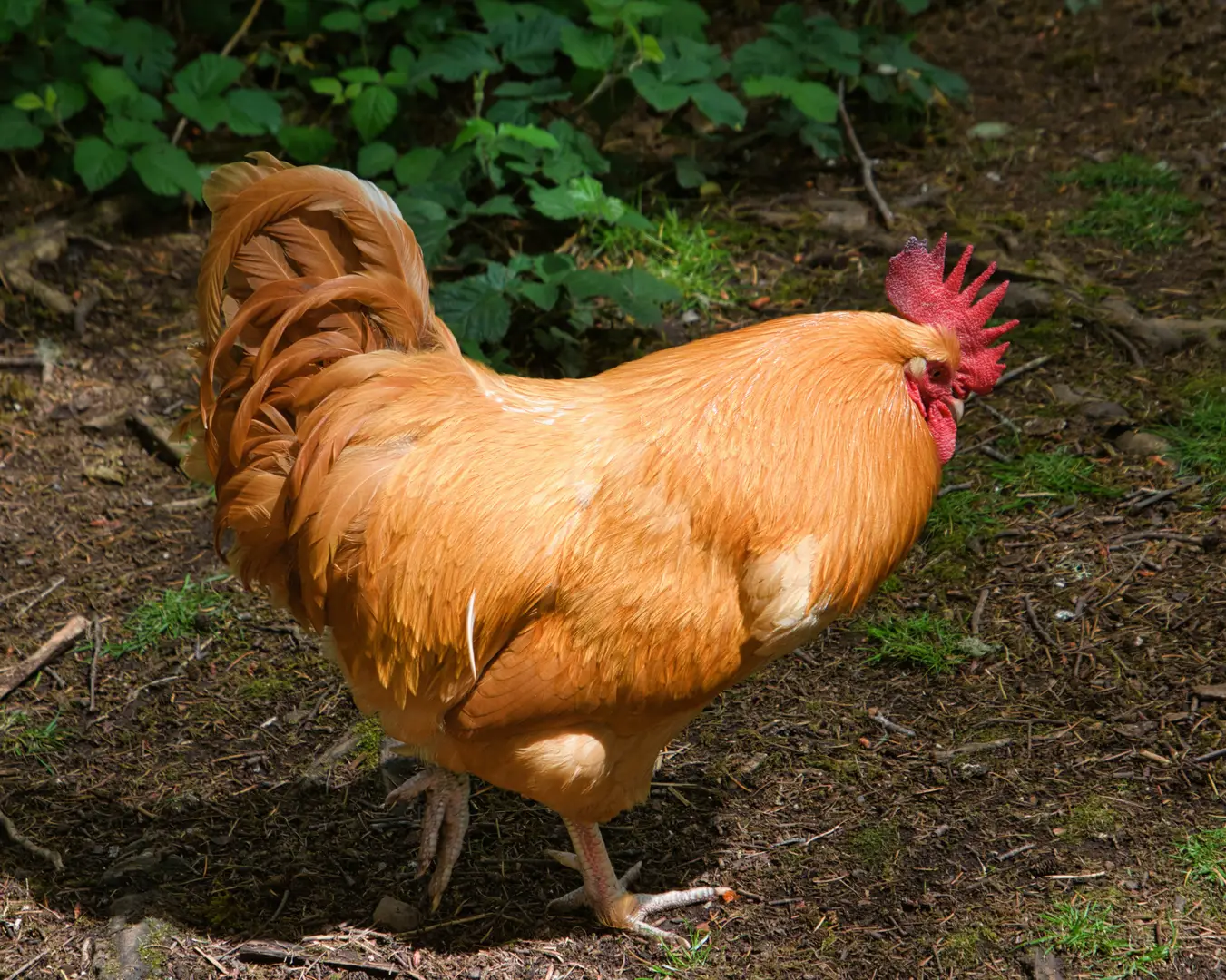
Ipswich Heritage Chicken refers to traditional poultry breeds raised in the Ipswich region, often associated with slower growth, natural feeding, and a stronger connection to old farming methods.
Unlike commercial broilers, heritage chickens reach maturity at a natural pace, resulting in richer taste, firmer texture, and better overall health for the animal.
Historical Roots and Cultural Importance
The Ipswich area, with its long agricultural history, has always valued self-sufficiency and high-quality produce. Heritage chickens were once the standard before industrial farming took over. These birds were part of family farms, local markets, and Sunday dinners—connecting communities to a shared cultural and culinary tradition. Today, reviving Ipswich Heritage Chicken is about restoring that sense of identity and safeguarding food heritage for future generations.
Distinctive Qualities and Flavor Profile
Ipswich Heritage Chickens stand out in several ways:
Flavor: Their meat carries a depth often described as “gamey” or “earthy,” offering a far more memorable experience than supermarket poultry.
Texture: Heritage chickens develop stronger muscle tone due to natural roaming and slower growth, resulting in firmer, more satisfying bites.
Nutrition: Studies suggest heritage breeds may contain higher levels of omega-3 fatty acids and micronutrients compared to conventional breeds.
This distinctiveness explains why chefs and food enthusiasts are increasingly turning back to heritage poultry for authentic dining experiences.
Farming Practices and Sustainability
Ipswich Heritage Chickens are generally raised using free-range or pasture-based systems.
Farmers prioritize:
Ethical care – birds have access to sunlight, fresh air, and natural forage.
Sustainability – smaller flocks reduce strain on the environment.
Biodiversity – raising heritage breeds helps counter the genetic uniformity of industrial poultry.
By supporting these practices, consumers also contribute to healthier ecosystems and fairer farming models.
Why Heritage Matters Today
The movement to preserve heritage breeds like the Ipswich Heritage Chicken goes beyond nostalgia.
It addresses pressing issues in food culture:
Biodiversity loss: More than 60% of poultry genetic diversity has been lost in the past century due to industrial breeding.
Resilience: Heritage breeds are often hardier, with better disease resistance and adaptability to climate changes.
Cultural preservation: Reviving these breeds maintains regional identity and keeps culinary traditions alive.
Conclusion
The Ipswich Heritage Chicken represents more than just poultry—it’s a living link between the past and the future.
By choosing heritage breeds, we embrace flavor, sustainability, and tradition, while protecting agricultural biodiversity for generations to come.
Whether you’re a chef, a food enthusiast, or simply a mindful consumer, supporting Ipswich Heritage Chicken is a powerful step toward preserving both our plates and our planet.
Related Posts
© 2025 Invastor. All Rights Reserved
User Comments