
Ai Content Generator
Ai Picture
Tell Your Story


 Gemini Smith
Streptozotocin-Nicotinamide induced Diabetic Model
What is the Streptozotocin–Nicotinamide Induced Diabetic Model?
The Streptozotocin–Nicotinamide (STZ–NA) induced diabetic model is an experimental animal model of type 2 diabetes mellitus (T2DM). It is widely used in preclinical research to mimic the metabolic and pathological features of human T2DM, including partial pancreatic β-cell damage, insulin resistance, and moderate hyperglycemia.
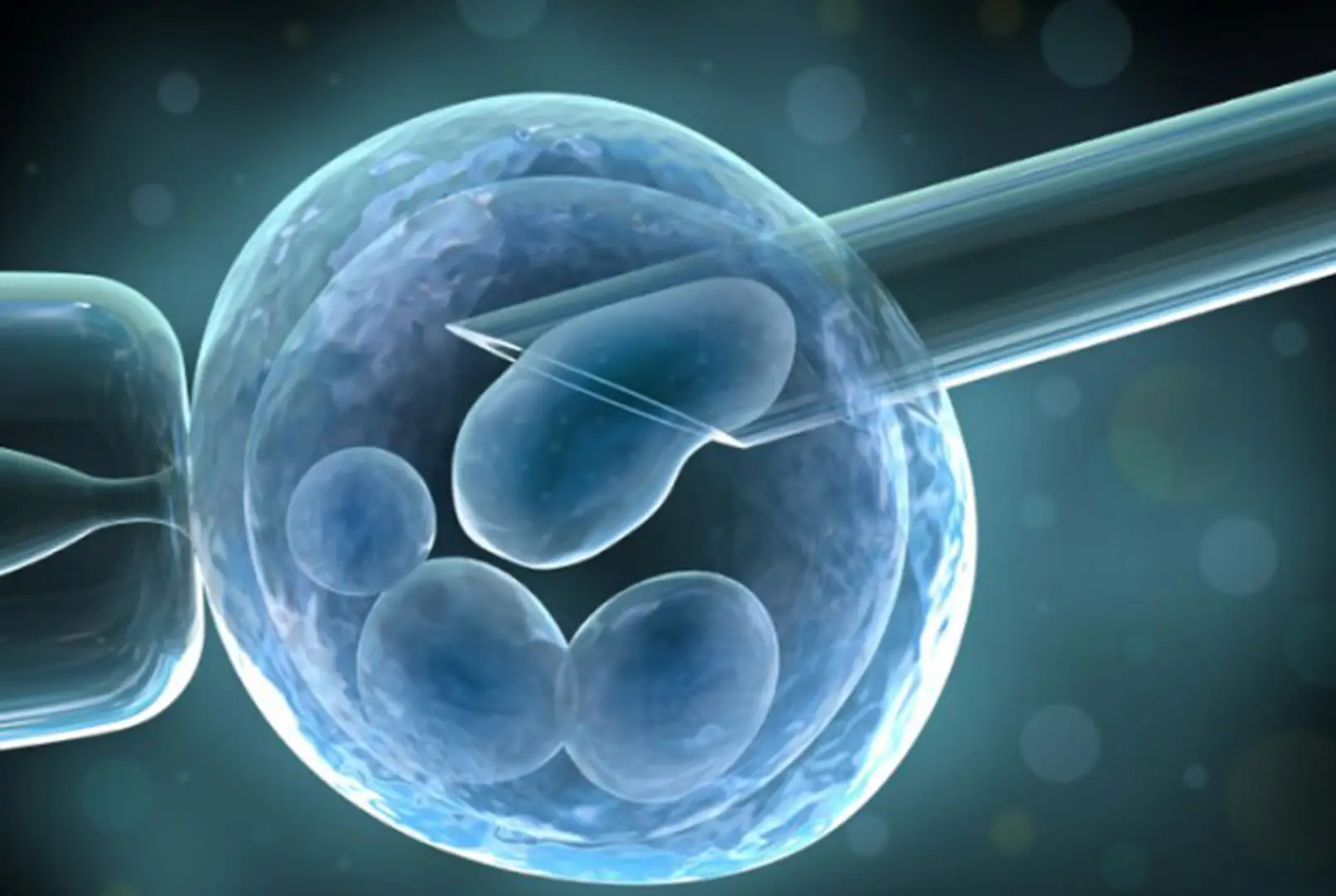
This model is created by administering streptozotocin (STZ)—a compound toxic to pancreatic β-cells—together with nicotinamide (NA), which partially protects β-cells from complete destruction. The result is a state of impaired insulin secretion with residual β-cell function, closely resembling the progression of type 2 diabetes in humans.
🔹 Key Features
Moderate hyperglycemia rather than extreme, allowing long-term studies.
Partial β-cell dysfunction → unlike full STZ-induced type 1 diabetes.
Insulin resistance present, reflecting human T2DM pathophysiology.
Stable and reproducible, suitable for pharmacological testing.
🔹 Induction Method
Nicotinamide (NA) injection (intraperitoneal, ~120–230 mg/kg) → provides partial protection to β-cells.
Streptozotocin (STZ) injection (usually 45–65 mg/kg) → induces β-cell damage.
Animals (commonly rats or mice) develop stable hyperglycemia within a few days.
🔹 Applications
Drug Screening: Oral hypoglycemic agents, insulin sensitizers, and β-cell protectants.
Mechanistic Studies: Pathophysiology of insulin resistance, oxidative stress, and diabetic complications.
Therapeutic Development: Testing novel antidiabetic therapies (peptides, small molecules, gene therapy, stem cells).
✅ In summary:
The STZ–NA induced diabetic model is a well-established type 2 diabetes animal model that balances β-cell damage with insulin resistance, making it highly relevant for studying disease mechanisms and evaluating antidiabetic therapies.
Related Posts
© 2025 Invastor. All Rights Reserved
User Comments