
Ai Content Generator
Ai Picture
Tell Your Story


 Gemini Smith
Plant-derived Exosome Isolation and Development
What they are
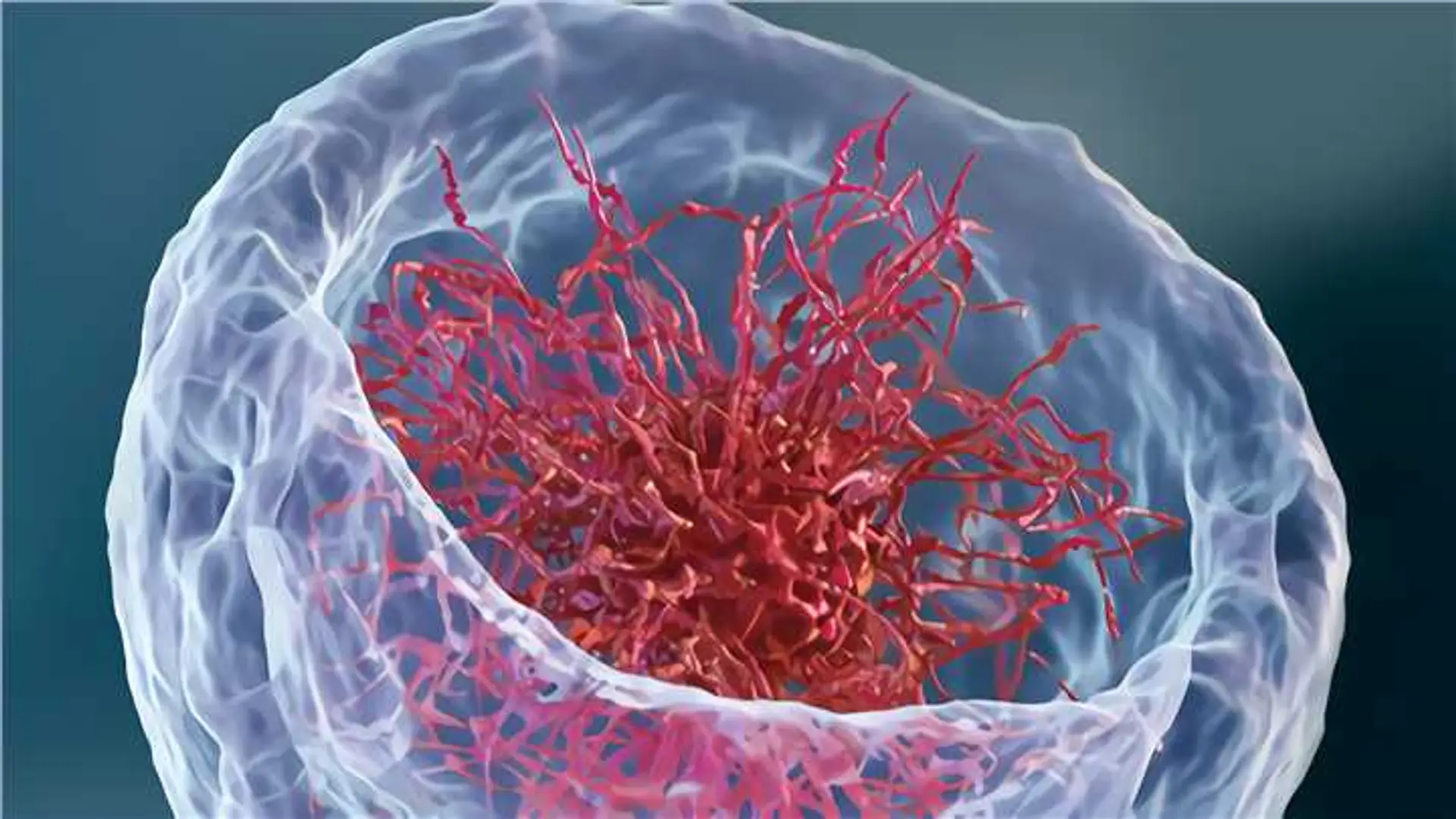
Often called plant-derived extracellular vesicles (PDEVs) or plant nanovesicles (PDNVs), these are 30–200+ nm lipid bilayer vesicles released by plants (fruits, leaves, seeds, roots). They carry miRNA/siRNA, lipids, proteins, and metabolites and can cross kingdoms—being taken up by mammalian cells, microbes, and other plants.
Source & Pre-Processing
Sources: Ginger, grape, citrus, broccoli, ginseng, aloe, wheat, rice, tea leaves, etc.
Harvest: Fresh tissues → rinse (low-endotoxin water), homogenize or juice (keep 4 °C), add antioxidant (e.g., 1–5 mM EDTA + 1 mM DTT optional) to curb phenolics.
Clarify: 300–500 g (cell debris) → 2,000–10,000 g (organelles), with protease/PVPP to bind polyphenols; filter 0.8/0.45 µm.
Isolation Methods (choose by scale/purity)
Differential ultracentrifugation (UC)
100,000–150,000 g pellets. Pros: standard; Cons: co-pelleting contaminants.
Density gradients (sucrose or iodixanol)
Best purity; float at 1.08–1.20 g/mL.
Tangential flow filtration (TFF) + size-exclusion chromatography (SEC)
GMP-friendly scaling; SEC gives tight size fractions.
Ultrafiltration (UF)
Fast pre-concentration; pair with SEC/gradient for purity.
Polymer precipitation (PEG)
High yield, lower purity; good for screening.
Aqueous two-phase systems (ATPS)
Gentle; separates from soluble proteins and phenolics.
Immunoaffinity / ligand capture (developing)
Targets plant EV markers (e.g., TET8 in Arabidopsis); currently species-limited.
Microfluidic EV chips
Rapid analytics and small-volume isolation.
Recommended scalable pipeline: Clarification → TFF (300 kDa) → SEC (qEV/packed Sepharose) → optional density polish.
Related Posts
© 2025 Invastor. All Rights Reserved
User Comments