
Ai Content Generator
Ai Picture
Tell Your Story

 ITG Software Engineering Pvt. Ltd.
Understanding Edge Computing: From Fundamentals to Edge Computing Devices
Edge computing is revolutionizing the way industries process and analyze data. By bringing computation and data storage closer to the data source, edge devices reduce latency, enhance real-time processing, and alleviate bandwidth constraints. This paradigm shift is particularly beneficial in industrial settings, where timely decision-making is crucial for operations, safety, and productivity.
What is Edge Computing?
At its core, edge computing involves processing data near the source of generation rather than relying solely on centralized cloud servers. This approach minimizes the distance data must travel, leading to faster processing times and reduced latency. In industrial automation, this allows immediate insights from machines, sensors, and IoT devices, supporting applications such as predictive maintenance, smart manufacturing, and autonomous systems.
The Role of Edge Computers in Industrial Applications
An Edge Computer is a specialized device designed to handle data processing tasks at the edge of the network. In industrial environments, these computers provide:
- Real-Time Data Processing: Edge computers enable instant analysis and response to critical data from machines and sensors.
- Bandwidth Optimization: Local processing ensures only essential data is transmitted to central servers, saving network resources.
- Operational Reliability: Even if connectivity to cloud servers is disrupted, edge computers maintain continuous industrial operations.
- Industrial Embedded Box PCs: The Backbone of Edge Computing
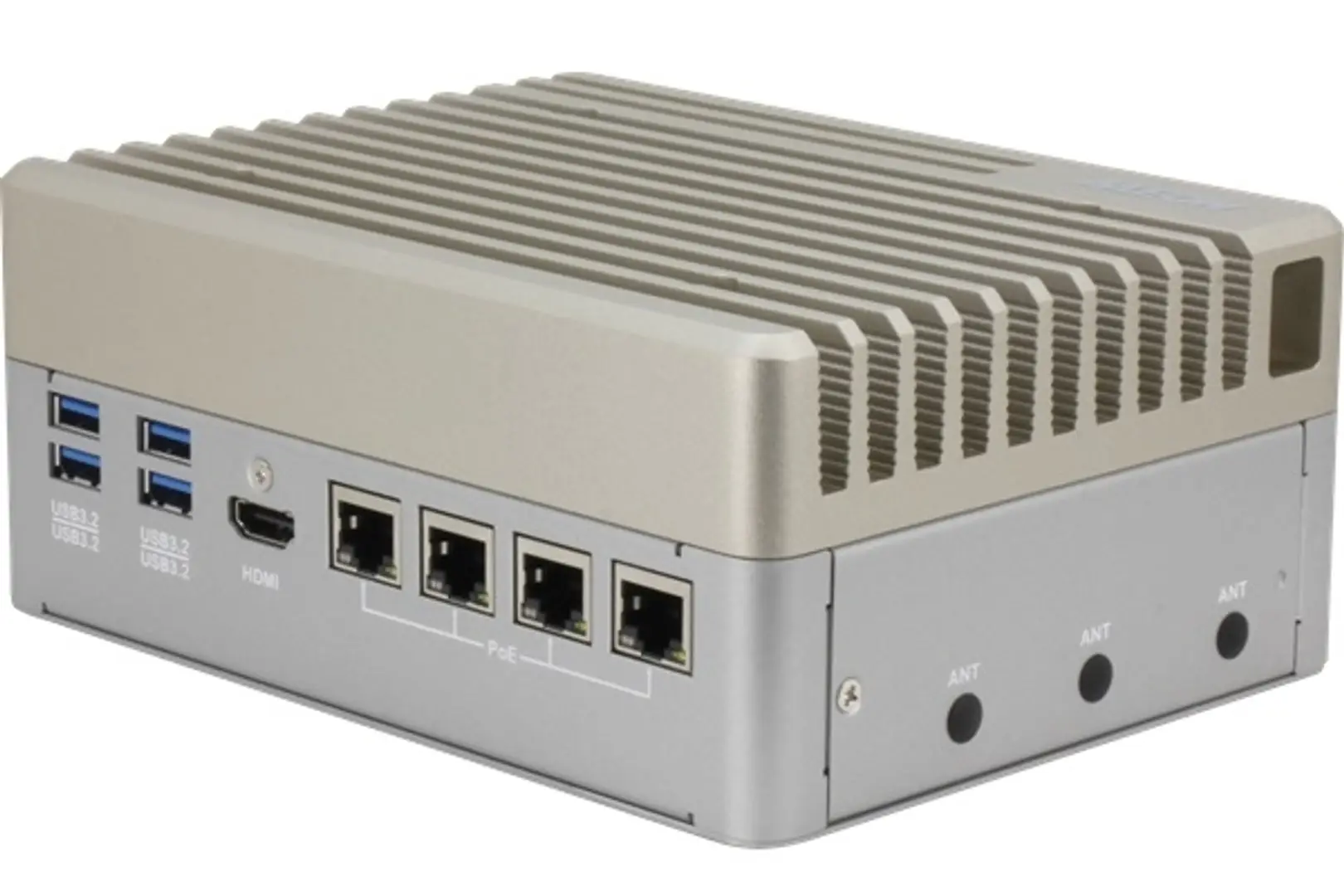
Industrial embedded box PC are compact, rugged systems built for harsh environments. They combine computing power, durability, and flexibility, making them ideal for edge computing applications in factories, warehouses, and industrial plants.
Key uses of industrial embedded box PCs include:
- Automation Control: Managing and monitoring automated production lines.
- Data Acquisition: Collecting and pre-processing data from multiple sensors.
- Edge Analytics: Performing critical computations locally to support faster decision-making.
Advantages of Embedded Box PCs in Industrial Edge Computing
- Rugged Durability: Engineered to withstand extreme temperatures, dust, and vibrations common in industrial settings.
- Compact Design: Space-efficient for integration into factory floors, vehicles, or control panels.
- Customizable Configurations: Processing power, storage, and connectivity can be tailored to specific industrial applications.
- Using embedded box PCs ensures industries benefit from long-term reliability, reduced downtime, and efficient edge computing capabilities.
Industrial Monitors: Essential Interfaces for Edge Systems
A robust industrial monitor is critical for visualizing and interacting with edge computing systems. Designed for tough industrial environments, these monitors provide:
- High-Visibility Displays: Clear output even in bright or challenging lighting conditions.
- Touchscreen Functionality: Facilitates intuitive control of machinery and monitoring systems.
- Durability: Resistant to dust, shocks, and temperature fluctuations.
- When paired with industrial embedded box PCs or Edge Computers, industrial monitors allow operators to control processes, visualize real-time data, and make informed decisions efficiently.
The Future of Edge Computing in Industry
With emerging technologies like IoT, AI, and 5G, the adoption of Edge Computers and embedded box PCs in industrial settings is set to increase significantly. Businesses will benefit from:
- Smarter Operations: Advanced analytics at the edge allows predictive maintenance and optimized workflows.
- Increased Efficiency: Local computation reduces latency and improves response times.
- Cost Savings: Minimizing data transmission to cloud servers lowers network costs and infrastructure requirements.
- Enhanced Connectivity: Integration with industrial monitors and sensors creates a seamless, intelligent network.
As industries continue digital transformation, the combination of Edge Computers, industrial embedded box PCs, embedded box PCs, and industrial monitors will become a critical component of modern industrial automation.
Conclusion
Edge computing is reshaping industrial operations by processing data closer to its source, ensuring speed, reliability, and efficiency. By leveraging Edge Computers and industrial embedded box PCs, businesses can handle real-time data locally, optimize production processes, and maintain operational continuity. Paired with industrial monitors, these systems empower operators with actionable insights and intuitive control, paving the way for smarter, more connected industrial environments.
For industries aiming to stay competitive, investing in embedded box PCs and robust Edge Computers is not just an option—it’s a necessity for the future of industrial automation.
Related Posts
© 2025 Invastor. All Rights Reserved
User Comments